From Pizza to Pasta: Understanding the Real Story Behind Italian Cuisine
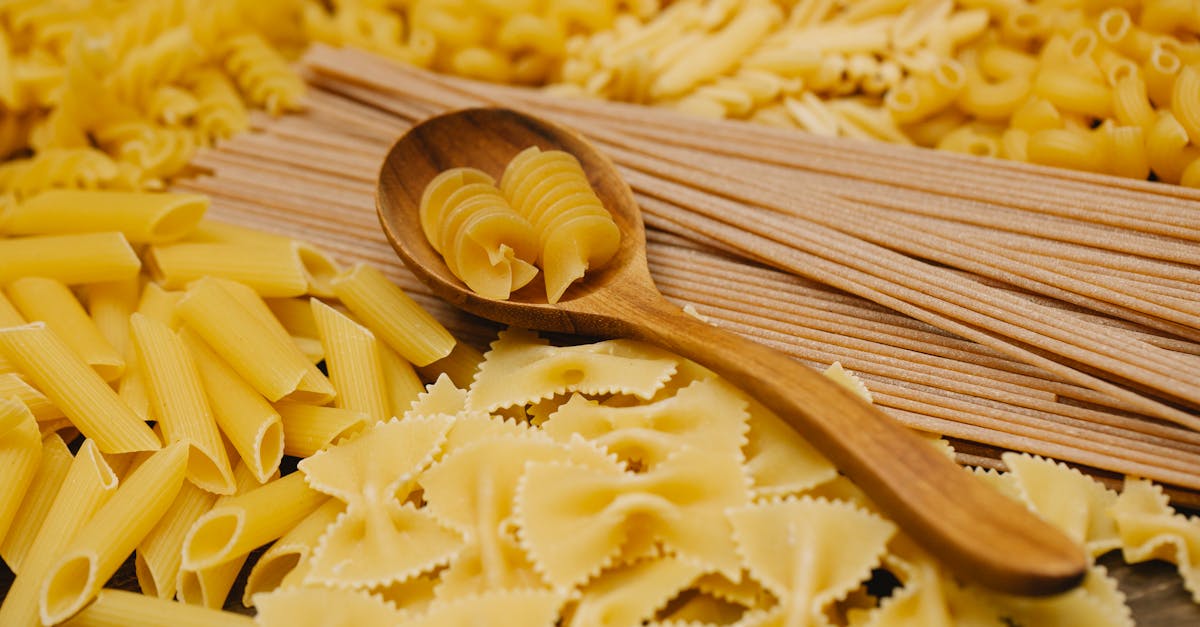 This photo was taken by Klaus Nielsen on Pexels.
Benvenuti! As your local guide through the heart of Italy, I often hear travelers ask if "Italian food" is simply pizza and pasta served everywhere. The truth is far more delicious and complex. While those iconic dishes are beloved worldwide, they represent only a single chapter in a culinary story written over centuries by distinct regions, each with its own soul, history, and strict traditions. In this post, we will peel back the layers to explore why a bowl of carbonara in Rome differs vastly from a risotto in Milan, uncover the sacred rules that govern our doughs, sauces, and cheeses, and most importantly, show you how to bypass the tourist traps to discover the authentic, hidden flavors that locals cherish every day. Get ready to embark on a true gastronomic journey across the Bel Paese.
Regional Roots: Why Italian Food Isn't One-Size-Fits-All
To the uninitiated, Italian cuisine might seem like a monolith of tomato sauce and mozzarella, but the truth is far more nuanced and deeply rooted in local geography. Italy's culinary identity is a mosaic of distinct regions, each boasting its own ingredients, traditions, and historical influences that have evolved over centuries. While you might find pizza in every corner of Rome or Naples, the dough, toppings, and even the cooking method can vary dramatically depending on whether you are in Sicily, where seafood and citrus dominate, or in the Alps of Trentino, where hearty polenta and game meats tell a different story entirely.
This regional diversity stems from Italy's long history of city-states and foreign dominions, which left unique imprints on local palates across the peninsula. A dish like carbonara is strictly Roman with its use of guanciale and Pecorino Romano, while a similar pasta dish in the south would likely feature spicy 'nduja and fresh ricotta instead. As a guide, I always encourage travelers to look beyond the tourist traps serving generic "Italian" food; instead, seek out trattorias that highlight their specific province's specialties, for it is only by exploring these micro-cuisines that one truly understands the soul of Italy's gastronomic heritage.
 This photo was taken by Anna Tarazevich on Pexels.
The Sacred Rules of Dough, Sauce, and Cheese
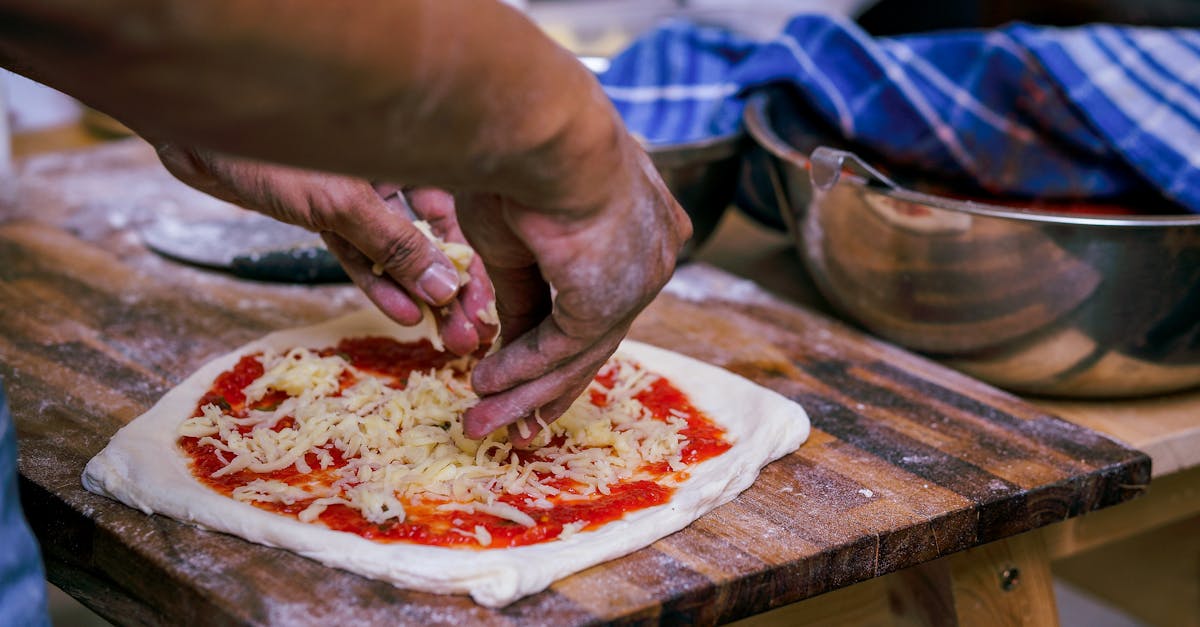
In the heart of Italian culinary philosophy, dough, sauce, and cheese are not merely ingredients but sacred elements bound by centuries of tradition and regional pride. The art of making pizza in Naples, for instance, is governed by strict rules where the dough must be hand-kneaded to achieve a specific elasticity, allowing it to rise slowly and bake quickly in a wood-fired oven to create that iconic leopard-spotted crust. Similarly, the sauce should never overpower the delicate balance; a true Marinara or Pomodoro relies on the sweetness of San Marzano tomatoes simmered gently with just olive oil and basil, avoiding the common pitfall of overcooking which dulls the fresh essence of the tomato.
When it comes to cheese, the Italian approach is one of restraint and respect for origin, ensuring that every slice serves to elevate rather than mask the primary flavors. Whether it is the creamy, milky freshness of Mozzarella di Bufala on a Neapolitan pizza or the sharp, nutty depth of Parmigiano-Reggiano grated sparingly over handmade pasta, quality always trumps quantity. These "sacred rules" extend beyond mere recipes; they represent a cultural commitment to simplicity, where the integrity of each component is honored, reminding visitors that the magic of Italian cuisine lies in its ability to let high-quality, local produce speak for itself without unnecessary complexity.
 This photo was taken by Firman Marek_Brew on Pexels.
Beyond the Tourist Trap: Discovering Authentic Local Flavors
While the bustling piazzas of Rome and Florence are filled with tourists hunting for the perfect slice of pizza, the true soul of Italian cuisine lies in the quiet, family-run trattorias tucked away in narrow alleyways. Here, you will find dishes that change with the seasons and vary from village to village, far removed from the standardized menus found in tourist hotspots. Instead of generic marinara, locals savor a ragù made from slow-cooked local meats and vegetables harvested just hours before, seasoned only with what their grandmother taught them. To truly understand the real story behind Italian food, one must step off the beaten path and engage with the people who cook it, asking about the origin of their ingredients and the history of their recipes.
Authenticity in Italy is not just about taste; it is a deep connection to the land and a respect for tradition that has been passed down through generations. When you venture beyond the main squares, you might discover a small bakery in Tuscany baking pici pasta by hand or a fisherman in Amalfi selling his catch directly to the nearby osteria. These experiences offer a window into the daily life of Italians, where food is an act of love rather than a commodity. By embracing these hidden gems, travelers do more than just eat; they participate in a living culture, tasting the unique terroir of each region and creating memories that go far deeper than any typical souvenir.
 This photo was taken by Erik Mclean on Pexels.