From Pasta to Pizza: Understanding Regional Italian Cuisine Differences
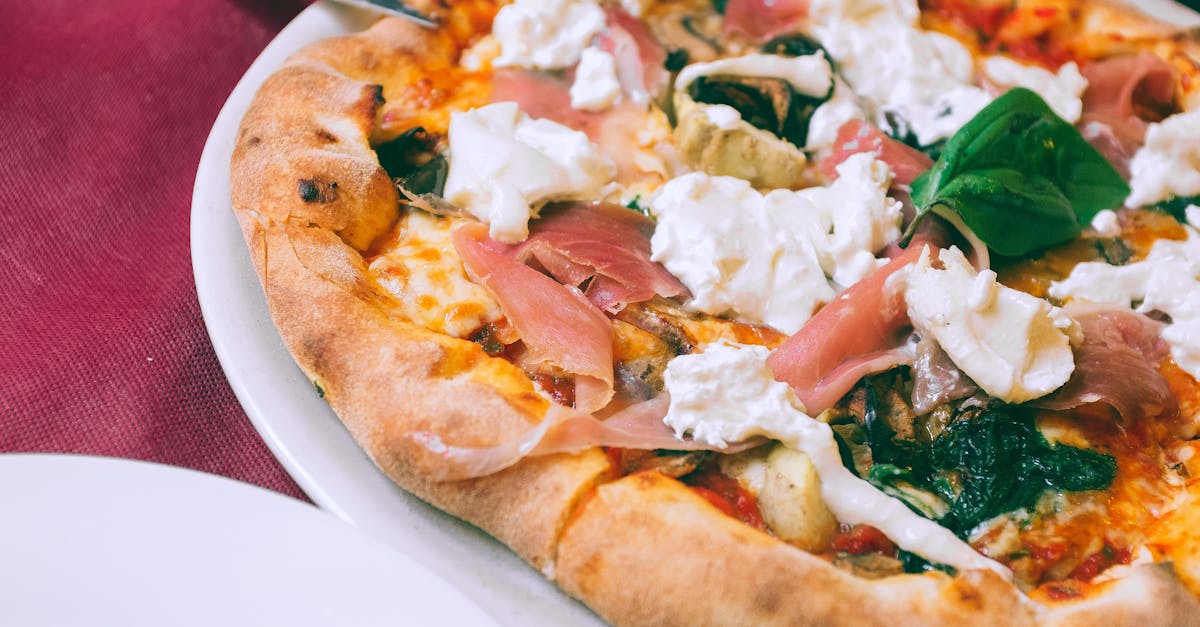 This photo was taken by Maria Orlova on Pexels.
Welcome, travelers! As your guide through the boot-shaped peninsula of Italy, I often hear visitors marvel at how a single country can offer such a dizzying array of culinary experiences. What many don't realize is that Italian cuisine is not a monolith; it is a vibrant tapestry woven from distinct regional threads, each telling its own story of history, geography, and tradition. From the creamy, butter-laden risottos of the misty Alps to the sun-drenched, tomato-soaked streets of Naples, every bite reveals a new chapter of our heritage. In this post, we will embark on a delicious journey across the nation, exploring how the North's richness contrasts with the South's spice, and why understanding these differences is essential to truly savoring the authentic flavors of Italy.
The North's Riches: Butter, Rice, and Slow-Cooked Stews
Traveling north of the Apennines reveals a culinary landscape defined by cooler climates and lush valleys, where the star ingredients shift dramatically from wheat to dairy and grains. Here, butter reigns supreme over olive oil, enriching creamy risottos made with local varieties like Arborio and Carnaroli rice that absorb broth into velvety perfection. This region is also famous for its hearty slow-cooked stews, such as the Milanese ossobuco or the Piedmontese bagna càuda, which rely on long simmering times to tenderize tougher cuts of meat and blend deep, earthy flavors that stand in stark contrast to the bright, acidic profiles found further south.
The richness of Northern Italian cuisine extends beyond just the main courses, creating a comforting gastronomic identity deeply tied to the land's alpine pastures and fertile plains. You will find this abundance reflected in the ubiquitous use of fresh cream, polenta, and cheeses like Gorgonzola and Fontina, which are often melted into savory sauces or served alongside roasted game birds. Whether you are enjoying a delicate veal dish bathed in white wine sauce in Veneto or savoring a rustic bean stew in Lombardy, the food tells a story of preservation and patience, offering a warm, substantial dining experience that perfectly complements the majestic landscapes of Italy's northern borderlands.
 This photo was taken by Lionel Ntasano on Pexels.
The Heart of Italy: Olive Oil, Tomatoes, and Wood-Fired Pizza
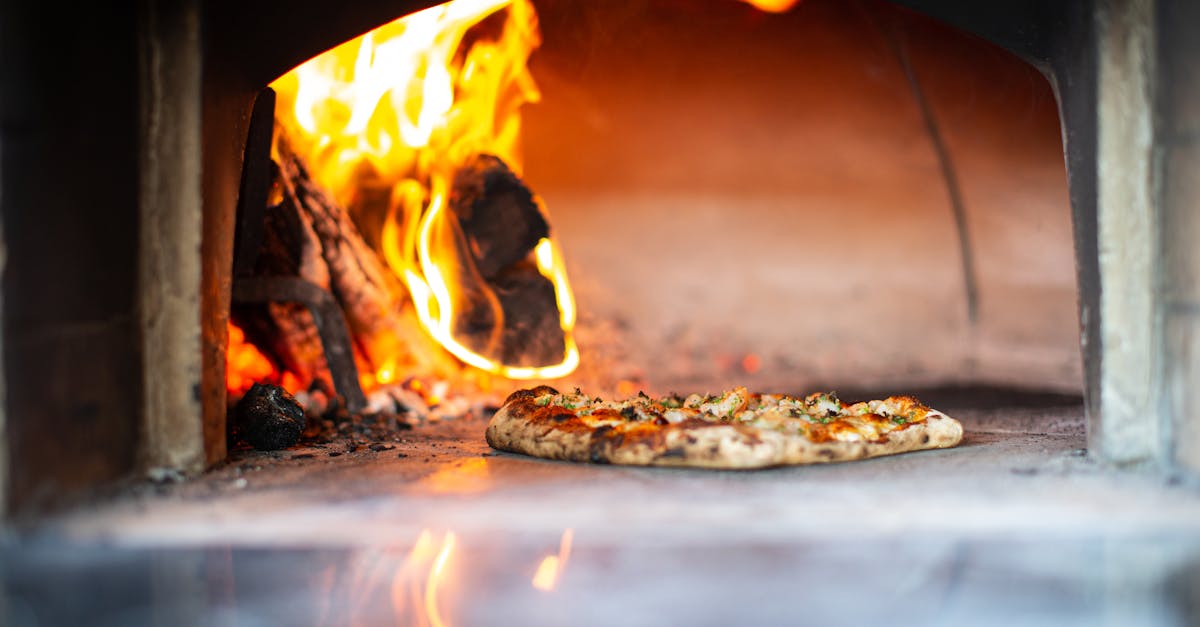
To truly understand the soul of Italian cuisine, one must look no further than the sun-drenched landscapes that produce its most iconic ingredients: golden olive oil, ripe tomatoes, and wood-fired ovens. In regions like Tuscany and Umbria, the air is often thick with the earthy aroma of ancient olive groves, where centuries-old trees yield a fruity, peppery oil that serves as the liquid gold for countless dishes. This same warmth fuels the vibrant tomato harvests that define summer tables across the peninsula, providing the sweet acidity necessary to balance rich cheeses and cured meats. When these elements converge in a traditional pizzeria, particularly in Naples, they create the perfect foundation for pizza, where the simplicity of San Marzano tomatoes and extra virgin olive oil allows the dough's subtle fermentation to shine under the intense heat of a wood-burning furnace.
The magic of this culinary triangle lies in how regional variations transform these humble staples into distinct masterpieces, reflecting the unique terroir of each area. While northern Italy might lean towards butter and cream in their pasta preparations, the south embraces the fiery kick of chili peppers and the bright zest of citrus alongside their famous pizzas, creating a bold contrast between the creamy carbonara of Rome and the spicy 'nduja-topped pies of Calabria. Whether you are slicing into a thin-crust Neapolitan pie topped simply with basil or savoring a rustic Roman pizza al taglio loaded with local vegetables, you are tasting the history of the land itself. As a traveler, indulging in these flavors is not just about eating; it is an immersive journey through Italy's agricultural heritage, where every bite tells a story of tradition, passion, and the unbreakable bond between the soil and the table.
 This photo was taken by Katie Barget on Pexels.
Southern Flavors: Seafood, Spices, and the Art of the Focaccia
When you venture into the sun-drenched coasts of Southern Italy, from Campania to Sicily, the culinary landscape transforms into a vibrant tapestry woven with fresh catches and bold aromatics. Here, the sea is not just a backdrop but the primary pantry, offering an abundance of anchovies, swordfish, and octopus that are often grilled simply or simmered in rich tomato sauces infused with saffron and hot chili peppers. This region's love for spices sets it apart from the butter-heavy north, creating dishes like pesce spada alla palermitana where the heat of the pepper cuts through the sweetness of roasted tomatoes, while aromatic herbs like oregano and basil dance on every plate, celebrating a flavor profile that is as passionate as the people themselves.
No exploration of these southern tastes would be complete without mastering the art of focaccia, particularly the legendary versions found in Liguria and Bari. Unlike the airy, bread-like doughs of the north, southern focaccia boasts a dense, oily crumb that is incredibly flavorful, achieved by kneading high-gluten flour with generous amounts of extra virgin olive oil and allowing it to rise slowly under the warm Mediterranean sky. Whether topped with caramelized onions, rosemary sprigs, or the soft, salty cubes of local cheese, this flatbread serves as both a humble staple and a canvas for regional identity, perfectly complementing the spicy seafood stews and proving that in Italy, even the simplest bread tells a story of its land.
 This photo was taken by Rachel Claire on Pexels.