From Castles to Catacombs: Uncovering Italy's Medieval Mysteries
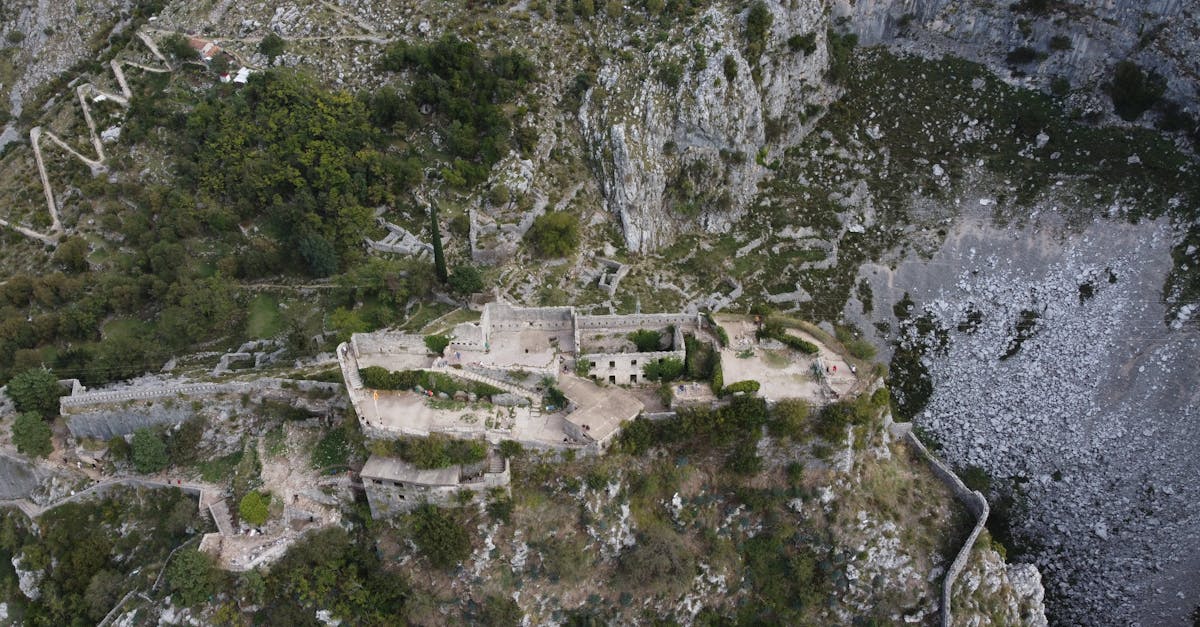 This photo was taken by Julien Goettelmann on Pexels.
Buongiorno and welcome to the heart of Italy, a land where history is not merely recorded in books but carved into stone and whispered through ancient corridors. When we speak of the Middle Ages, our minds often drift to tales of knights, kings, and shadowy secrets, yet few places on Earth preserve this enigmatic era as vividly as our beloved peninsula. From the soaring ramparts that once defended noble families against invaders to the silent, subterranean networks that hid early Christian communities, Italy's medieval landscape offers an unforgettable journey into the mysterious past.
In this post, we will embark on an adventure that traverses the very fabric of time. We shall scale the heights of The Stone Giants: Exploring Italy's Impenetrable Castles, marveling at fortresses that have withstood centuries of siege and storm. Our descent will then take us Beneath the Streets: A Journey Through Ancient Catacombs and Secrets, where flickering torchlight reveals the enduring faith of ancestors. Finally, we will step inside the hallowed halls of Secrets of the Scribes: Discovering Medieval Monasteries, uncovering the manuscripts that preserved knowledge through the darkest ages. So, pack your sense of wonder, for we are about to unlock the doors to Italy's most captivating medieval mysteries.
The Stone Giants: Exploring Italy's Impenetrable Castles
Scattered across the rugged Apennines and perched atop dramatic limestone cliffs, Italy's medieval fortresses stand as silent sentinels of a turbulent past. These "stone giants," such as the imposing Castel del Monte in Puglia or the fortress-city of Civita di Bagnoregio, were not merely residences but impenetrable bastions designed to withstand sieges that raged for centuries. As you wander through their narrow, winding corridors and peer from battlements that once overlooked invading armies, you can almost hear the echoes of clashing steel and feel the weight of history pressing against the weathered masonry. Each castle tells a unique story of feudal power, romantic intrigue, and architectural ingenuity, where thick walls and hidden passages reveal the desperate lengths to which lords would go to protect their domains.
Beyond their military might, these structures offer a captivating glimpse into the daily life and grandeur of the Middle Ages, inviting modern travelers to step back in time. Many of these castles have been lovingly restored, transforming them into vibrant hubs where ancient stone meets contemporary culture; some now house world-class museums, luxury hotels, and even vineyards that produce wine in the very cellars where kings once feasted. Whether you are exploring the secret gardens of Isola Bella or navigating the labyrinthine dungeons of the Castello di San Leo, the experience is an immersive journey through Italy's layered heritage. The enduring presence of these stone giants serves as a powerful reminder that while empires may rise and fall, the spirit of resilience etched into their foundations remains unbroken.
 This photo was taken by Erik Mclean on Pexels.
Beneath the Streets: A Journey Through Ancient Catacombs
Descend into the hushed silence of Rome's ancient catacombs, where narrow stone corridors wind beneath the bustling modern city, offering a profound glimpse into the lives of early Christians and Jews who sought refuge during times of persecution. These subterranean labyrinths, adorned with intricate frescoes and delicate sarcophagi, serve as silent witnesses to a spiritual legacy that has endured for centuries, inviting visitors to walk in the footsteps of those who once prayed in the shadows. As you navigate the dimly lit passageways, illuminated only by soft torchlight or guided tours, the air feels thick with history, transforming a simple underground tour into a deeply moving journey through faith, art, and survival.
Beyond Rome, similar networks of burial chambers can be discovered in cities like Naples and Syracuse, each revealing unique architectural marvels and local traditions that define Italy's rich medieval tapestry. In Naples, the Capodimonte Catacombs showcase a more intimate scale, while Syracuse offers a dramatic contrast between the bright Sicilian sun above and the cool, echoing darkness below, where the sound of your own footsteps seems to echo the passage of time itself. Exploring these hidden depths not only unveils the macabre aspects of death but also celebrates the vibrant culture of remembrance, ensuring that every traveler leaves with a renewed appreciation for the enduring mysteries buried beneath the Italian landscape.
 This photo was taken by Quang Nguyen Vinh on Pexels.
Secrets of the Scribes: Discovering Medieval Monasteries
Hidden away in the misty valleys of Umbria and the rugged peaks of the Apennines, medieval monasteries offer a profound glimpse into the disciplined life of the scribes who preserved history's most fragile threads. As you wander through cloisters where centuries-old ivy clings to weathered stone, imagine the quiet intensity of monks hunched over parchment, their fingers stained with ink as they illuminated manuscripts that would survive wars and fires. Places like the Abbey of San Galgano or the ancient scriptorium at Monte Cassino invite you to step back into an era where knowledge was not merely recorded but revered, turning these sacred spaces into sanctuaries of silence where the only sound is the turning of a page and the distant chant echoing from the vaulted ceilings.
Beyond the spiritual atmosphere, these architectural marvels conceal secrets that have long fascinated historians and travelers alike, from hidden catacombs beneath the altars to secret passages used during times of invasion. Many monasteries once served as fortified libraries, guarding rare texts and astronomical charts within walls thick enough to withstand sieges, while their gardens still cultivate medicinal herbs exactly as described in 12th-century herbals. Visiting these sites today allows you to trace the lineage of modern scholarship, understanding how the dedication of anonymous scribes laid the foundation for the Renaissance that would soon transform Italy and the world, making every stone you touch a testament to humanity's enduring quest for light in the darkness.
 This photo was taken by cottonbro studio on Pexels.