Fashion and Design: Shopping Districts from Milan to Prato
 This photo was taken by Claudia Solano on Pexels.
Welcome to the beating heart of Italian style, where every cobblestone tells a story of craftsmanship and every storefront whispers the language of luxury. Italy has long been synonymous with elegance, but few places capture this spirit quite like the fashion capitals stretching from the gleaming avenues of Milan to the artisan-rich valleys of Tuscany. In this journey, we will guide you through the prestigious Quadrilatero della Moda in Milan, explore the legendary leather and textile heritage of Florence and Prato, and lead you off the beaten path to discover hidden boutiques and intimate workshops that define true Northern Italian design. Whether you are seeking haute couture or unique handmade treasures, get ready to immerse yourself in an unforgettable shopping experience that celebrates the very best of Italian artistry.
Milan's Quadrilatero della Moda: Where High Fashion Meets Historic Elegance
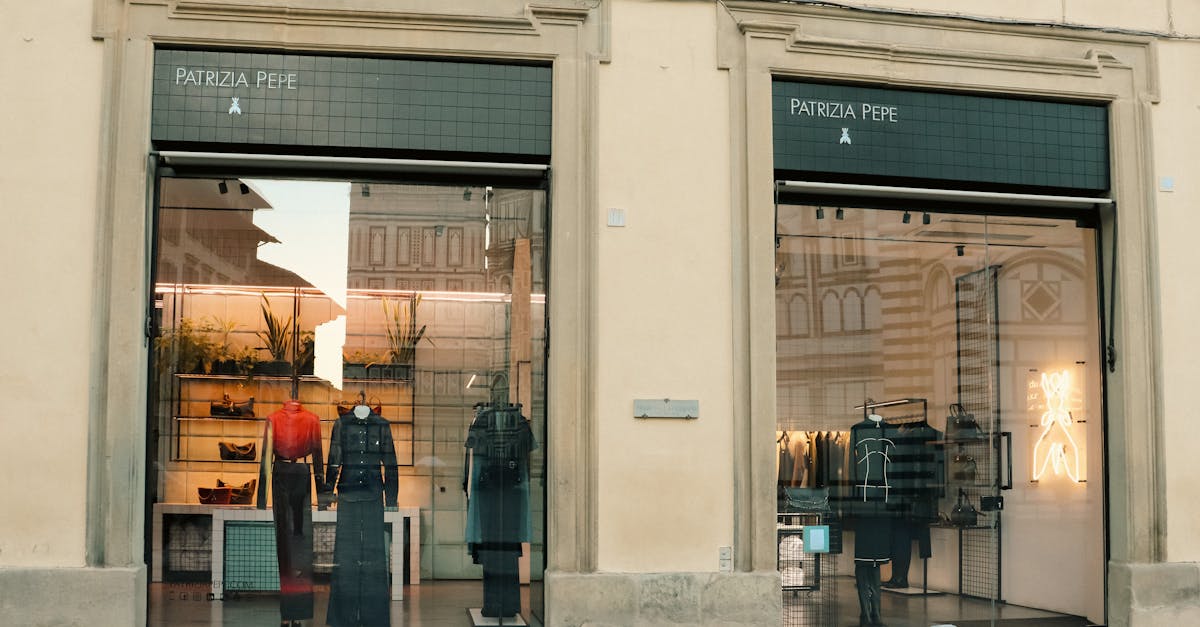
Navigating the Quadrilatero della Moda in Milan is akin to stepping onto a living runway where centuries of history seamlessly blend with the cutting edge of global style. Enclosed by the majestic arcades of Via Montenapoleone, Via della Spiga, and their surrounding streets, this exclusive district offers more than just luxury shopping; it presents an architectural masterpiece where 19th-century palazzos house the world's most coveted brands. As you stroll past the gilded facades and watch the latest collections unfold in the shop windows, you are witnessing a unique dialogue between Italy's rich artistic heritage and its contemporary status as the capital of fashion design.
Beyond the glossy storefronts lies a deeper cultural experience that defines the essence of Italian elegance, where every corner reveals a story of craftsmanship and sophistication. Whether you are seeking a bespoke suit tailored by legendary artisans or admiring the avant-garde designs of emerging creators, this area serves as the pulsating heart of the industry, attracting influencers, celebrities, and discerning travelers from every corner of the globe. The atmosphere here is electric yet refined, offering a perfect introduction to the broader narrative of Italian design that stretches all the way to the textile hubs of Prato, proving that in Italy, fashion is not merely worn but lived and celebrated.
 This photo was taken by Mihaela Claudia Puscas on Pexels.
Florence and Prato: The Heart of Italian Leather and Textile Craftsmanship
While Milan commands the global runway, the Tuscan cities of Florence and Prato remain the beating heart where Italian leather and textile craftsmanship are born. In Florence's historic Oltrarno district, visitors can wander through artisan workshops where master tanners still use traditional vegetable-tanning methods to create supple, durable goods that have defined luxury for centuries. Here, you will find family-run boutiques offering bespoke handbags, shoes, and jackets, each piece stamped with a story of generations dedicated to perfection. The air is often filled with the distinct scent of cured hides, a sensory reminder of an industry that has turned this region into the world's premier destination for authentic, high-quality leather goods.Just a short train ride away, Prato serves as the industrial engine behind Italy's renowned wool and textile production, transforming raw fibers into some of the finest fabrics seen on international catwalks. This city offers a unique shopping experience focused on wholesale mills and outlet stores where tourists can access premium cashmere, silk, and wool at prices far below retail fashion houses. Exploring Prato allows travelers to witness the sheer scale of production while finding hidden gems in local markets where skilled weavers sell their creations directly. Together, Florence and Prato offer an unparalleled journey into the soul of Italian design, bridging the gap between ancient tradition and modern style for the discerning traveler.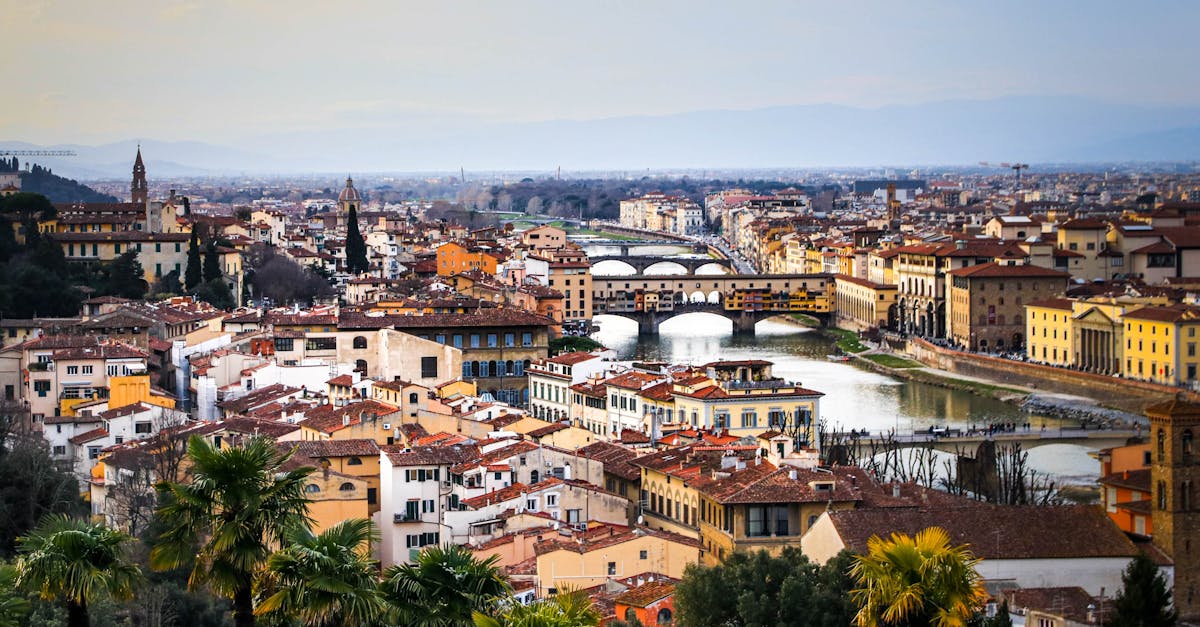 This photo was taken by Ming Hsi Hsieh on Pexels.
Beyond the Runways: Hidden Boutiques and Artisan Workshops in Northern Italy
While the glitz of Milan's Quadrilatero della Moda captures global attention, the true soul of Northern Italian fashion often beats within the quiet, cobblestoned streets of its lesser-known neighborhoods. Venture beyond the flagship stores to discover family-run boutiques in cities like Como or Verona, where generations of artisans have perfected the art of silk weaving and leather crafting. Here, you won't find mass-produced trends but rather bespoke pieces that tell a story of local heritage, with shopkeepers eager to share the history behind every stitch and pattern. These hidden gems offer an intimate shopping experience, allowing visitors to engage directly with creators who are passionate about preserving traditional techniques while infusing them with contemporary flair.
The journey continues into the industrial heartlands near Prato, where the legacy of textile production has evolved into a vibrant hub for design innovation and sustainable craftsmanship. In this region, historic workshops have transformed into open studios where tourists can witness the entire process, from raw wool sorting to the final dyeing and finishing of luxury fabrics. Unlike the sterile environments of department stores, these artisan workshops invite you to touch the materials, ask questions about the loom, and perhaps even commission a custom garment tailored to your measurements. By exploring these authentic spaces, travelers gain a deeper appreciation for the meticulous labor and artistic vision that define Italy's enduring reputation as a global leader in fashion and design.
 This photo was taken by Orhan Namlı on Pexels.