Etruscan Mysteries: Exploring the Ancient Civilizations of Central Italy
 This photo was taken by Paola Tordoni on Pexels.
Welcome, travelers, to the beating heart of ancient Italy, where the misty hills of Tuscany and Umbria hide secrets that have puzzled historians for millennia. Before Rome rose to power, a sophisticated and enigmatic civilization thrived here, leaving behind a legacy of masterful art, complex rituals, and magnificent necropolises that still whisper their stories today. In this journey through time, we will peel back the layers of history to uncover the truth about the Etruscans, exploring their mysterious origins in the heartland of central Italy, walking among the "Tombs of Kings" carved directly into the rock, and decoding the rich symbolism found in their vibrant frescoes and sacred ceremonies. Get ready to step out of the modern world and into a realm where the past feels startlingly alive.
The Enigmatic Origins: Unveiling the Etruscan Heartland
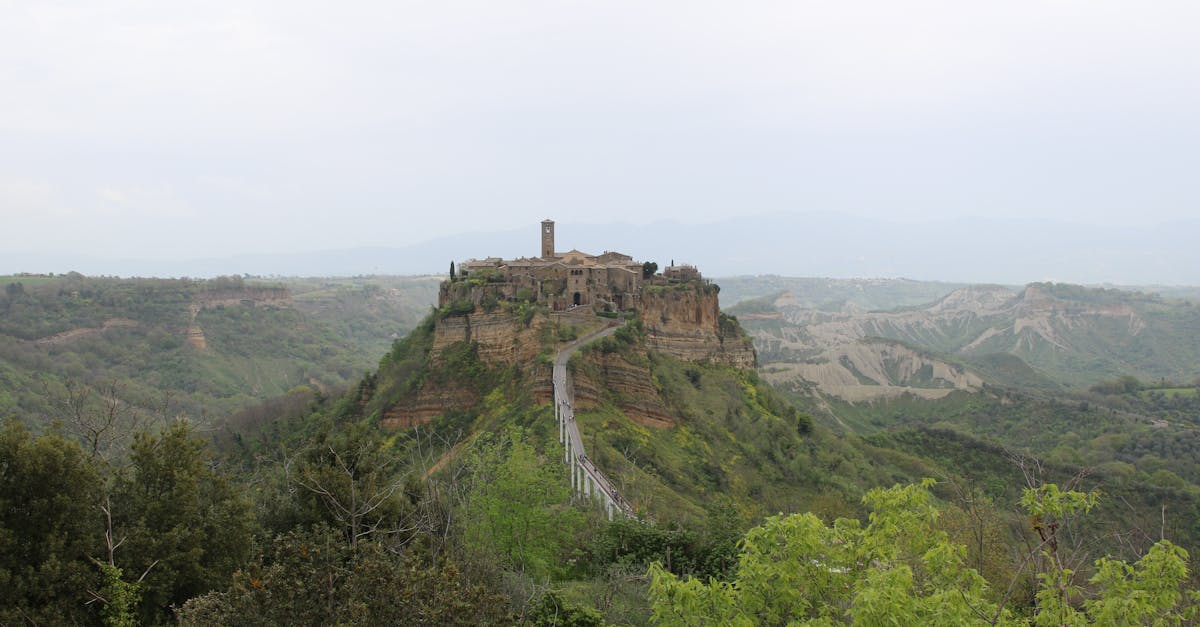
Before the grandeur of Rome rose to dominate the Mediterranean, a sophisticated and enigmatic civilization thrived in the rolling hills of Tuscany and Umbria, known today as the Etruscan Heartland. As you wander through the mist-shrouded valleys between Florence and Orvieto, you are tracing the footsteps of a people who mastered metallurgy, art, and urban planning centuries before their famous successors. Their origins remain one of history's greatest puzzles; while ancient Greek historians claimed they migrated from Lydia in Asia Minor, modern genetic studies suggest a complex fusion of local populations with influences from across the Alps, creating a unique culture that defied simple categorization.
Exploring this region is akin to stepping into a living museum where necropolises like Banditaccia in Cerveteri and Monterozzi in Tarquinia reveal the daily lives and spiritual beliefs of these ancient masters. The vibrant frescoes adorning their tomb walls offer a rare glimpse into their banquets, dances, and religious rituals, preserving a voice that has echoed for over two millennia. For the traveler, the Etruscan legacy is not merely found in distant ruins but in the very fabric of the landscape, from the distinctive terracotta sculptures guarding hilltop towns to the enduring influence on Roman architecture and religion, inviting you to uncover the secrets hidden beneath the surface of Central Italy.
 This photo was taken by Jean-Paul Wettstein on Pexels.
Tomb of the Kings: Journeying Through Necropolises
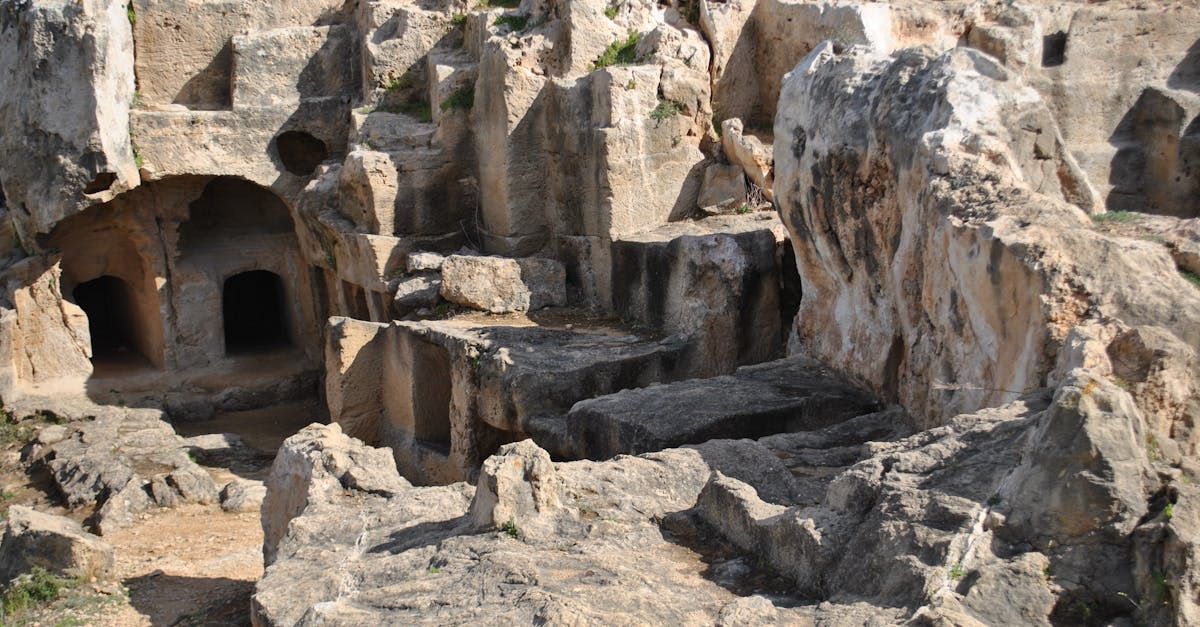
Step into the silent grandeur of Tarquinia, where the "Tomb of the Kings" awaits not as a solitary monument but as part of a sprawling necropolis that offers a breathtaking glimpse into Etruscan life and death. Unlike their Roman counterparts who often favored austere burial practices, the Etruscans constructed elaborate underground chambers adorned with vibrant frescoes depicting banquets, dances, and athletic contests, suggesting a belief in an afterlife filled with joy and continuity. As you wander through these subterranean galleries, the vivid colors of the ancient pigments still tell stories of a civilization that revered its ancestors and celebrated existence with an exuberance that feels startlingly modern, inviting you to walk alongside spirits long turned to dust.
Navigating these sacred grounds requires more than just a map; it demands a sense of reverence for the intricate craftsmanship that carved these tombs directly into the soft tuff rock of central Italy's hillsides. Each chamber serves as a time capsule, preserving the artistic and spiritual legacy of a people who mastered engineering and artistry before Rome ever rose to power, leaving behind a mystery that continues to captivate historians and travelers alike. Whether you are tracing the delicate brushstrokes of a mythological scene or simply absorbing the hushed atmosphere of the tunnel, the Tomb of the Kings remains a profound testament to an enigmatic culture that dared to imagine eternity in the most beautiful ways possible.
 This photo was taken by Valeria Drozdova on Pexels.
Lost in Art and Ritual: Decoding Etruscan Legacy
As you wander through the mist-shrouded necropolises of Tarquinia or explore the sun-drenched tombs of Cerveteri, you step into a world where art was not merely decoration but a sacred language. The Etruscans, masters of bronze and vibrant fresco, left behind a visual narrative that defies simple interpretation, filled with dancing figures, mythological beasts, and scenes of daily life rendered with an exuberant energy unknown in their Greek contemporaries. Their art serves as a portal to a society that revered the afterlife with such intensity that they built elaborate underground cities for their dead, complete with banquet tables and musical instruments, suggesting a belief system where ritual was the bridge between the mortal realm and the divine.
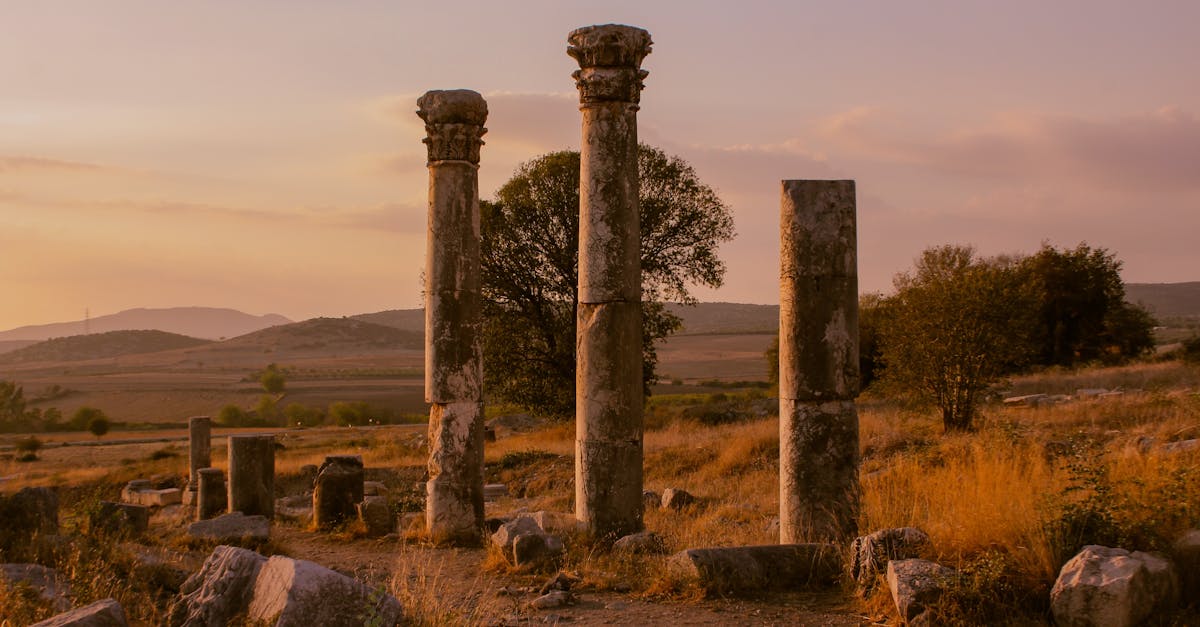
Decoding this legacy requires more than just observing the artifacts; it demands an immersion into the spiritual heartbeat of Central Italy before Rome rose to power. The enigmatic scripts found on mirrors and tombstones still whisper secrets of a civilization that prioritized harmony with nature and the cosmos, often incorporating astrological signs and ritualistic gestures into their very architecture. When you stand beneath the terracotta roofs of ancient temples or trace the intricate patterns of their jewelry, you are witnessing the echoes of a people who understood that true immortality lay in the preservation of memory through art, leaving modern travelers to piece together the fragments of a culture that remains as mysterious today as it was three millennia ago.
 This photo was taken by Hümeyra Özoğlu on Pexels.