Essential Italian Phrases Every Tourist Should Know Before They Arrive
 This photo was taken by doTERRA International, LLC on Pexels.
Benvenuti in Italia! There is a unique magic that permeates the air from the sun-drenched hills of Tuscany to the cobblestone streets of Rome, but unlocking its full charm often begins with a simple "Ciao" or a polite "Per favore." As your local guide, I've seen how a few well-placed words can transform a transactional visit into a genuine connection with our culture. Whether you are eager to navigate complex menus without hesitation, ask for directions with confidence, or simply warm up locals with proper greetings, mastering these essential phrases is your golden ticket to an unforgettable experience. Let's dive into the language of love and prepare you to travel like a true insider.
Greetings and Politeness: The Keys to Italian Hearts
In Italy, the way you greet someone is often just as important as what you say, serving as a warm invitation into their world. Upon entering a shop, café, or even a small village square, a simple "Buongiorno" (Good morning) before noon or "Buonasera" (Good evening) afterwards is mandatory; skipping this greeting can be perceived as rude and may result in a cold reception. Italians value face-to-face interaction highly, so taking a moment to make eye contact and offer a genuine smile while saying these phrases sets a positive tone for your entire visit, showing that you respect local customs rather than expecting service to begin immediately.
Beyond greetings, mastering a few polite expressions can transform your interactions from transactional to memorable. Always remember to say "Per favore" (Please) when making a request and "Grazie" (Thank you) after receiving any assistance, no matter how small. If you need to get someone's attention or apologize for a minor inconvenience, use "Scusi" (Excuse me/Sorry - formal) rather than the casual "Scusa." When leaving, adding "Arrivederci" or "Ciao" depending on the formality of the situation leaves a lasting impression of courtesy, proving that you appreciate the hospitality and effort of the Italian people who welcome you with open arms.
 This photo was taken by alleksana on Pexels.
Navigating the Menu: Ordering Food Like a Local
Navigating the Menu: Ordering Food Like a Local
When you find yourself seated at a trattoria in Rome or a bistro in Florence, the menu can sometimes feel like a culinary puzzle if you aren't familiar with regional dialects and specific terms. To truly embrace the experience, start by confidently asking for the "copertino" (the cover charge) to understand what's included, and don't be afraid to request the "menu del giorno," which offers a fixed-price three-course meal that changes daily based on fresh market ingredients. Remember that Italians take their coffee rituals seriously; ordering a "caffè" without specifying will always yield an espresso, while adding "lungo" or "macchiato" shows you know exactly how you want your morning boost. If you are unsure about an ingredient, simply ask "Che cos'è?" (What is this?) with a smile, as locals appreciate the effort to engage with their language rather than pointing silently.
Beyond just ordering dishes, understanding the flow of the meal helps you navigate service expectations like a true insider. Before raising your hand for the check, remember that asking for "il conto" immediately after finishing dessert might be seen as rushing the staff, so it is best to enjoy the conversation first and signal your readiness later. Furthermore, avoid saying "grazie" when you order; instead, use "per favore" to make your request polite, and save your thanks for when the food arrives or the bill is settled. Finally, never ask for cheese on seafood pasta or ketchup on meatballs, as these combinations are considered culinary offenses here; trusting the chef's balance of flavors is part of the authentic Italian dining philosophy that transforms a simple meal into a memorable cultural event.
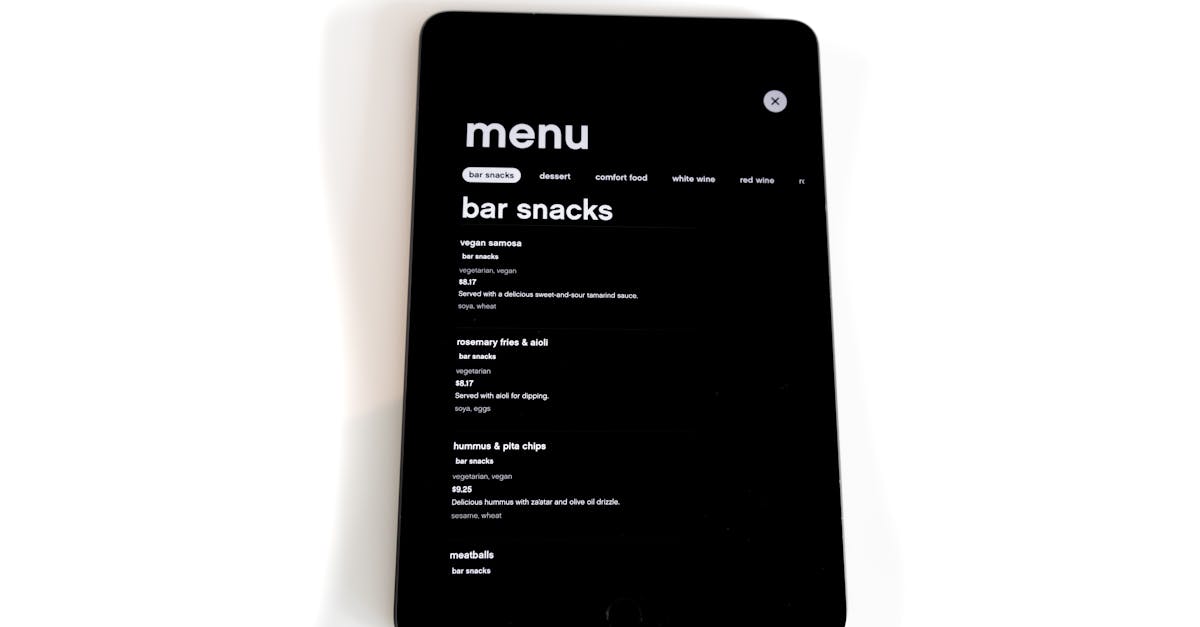 This photo was taken by Andrea Davis on Pexels.
Asking for Help and Directions with Confidence
Navigating the charming, often labyrinthine streets of Italian cities becomes infinitely easier when you approach locals with a polite request for assistance. Instead of simply shouting "Help!" or using only English, start your interaction with a warm "Buongiorno" or "Buonasera," followed by "Scusi, potrebbe indicarmi la strada per..." (Excuse me, could you show me the way to...). Italians are generally renowned for their hospitality and patience toward visitors who make the effort to speak their language; even a simple attempt at pronunciation is met with smiles and often a willingness to go out of their way to ensure you find your destination safely.Confidence in asking for directions also stems from understanding that while many people in tourist hubs speak English, relying on basic Italian phrases bridges cultural gaps and fosters genuine connection. If you get lost, remember to say "Non capisco" (I don't understand) clearly if the explanation is too fast, and always conclude with a heartfelt "Grazie mille" (Thank you very much). This small exchange not only guarantees you receive accurate guidance but also transforms a potentially stressful moment into a memorable interaction that captures the true spirit of Italian warmth and community. This photo was taken by Brett Jordan on Pexels.