Eco-Tourism in Italy: Sustainable Travel Experiences You'll Love
 This photo was taken by Erik Mclean on Pexels.
Benvenuti in Italia, dove the timeless beauty of ancient ruins and rolling vineyards meets a vibrant commitment to preserving our natural and cultural heritage. As a guide who has walked every cobblestone path from the Dolomites to the Sicilian coast, I have witnessed a remarkable shift in how travelers connect with this beautiful peninsula: a move towards conscious exploration that honors both the land and its people. In this post, we invite you to discover the heart of Eco-Tourism in Italy, a journey designed for those who wish to leave nothing but footprints and take away memories that support local communities. From trekking through protected national parks and cycling along scenic green trails to savoring farm-to-table delights in sustainable agriturismos and uncovering the secrets of hidden villages driven by community-led initiatives, there is no better time to experience Italy responsibly. Join me as we explore the most rewarding sustainable travel experiences you will love.
Exploring Italy's Green Trails: Hiking and Cycling in Protected National Parks
Immerse yourself in the breathtaking landscapes of Italy's protected national parks, where ancient forests and rugged mountains offer a sanctuary for both hikers and nature enthusiasts. From the dramatic Dolomites in the north to the sun-drenched trails of Gran Paradiso, these green corridors invite you to disconnect from the city and reconnect with the earth. As you traverse well-marked paths like the Alta Via routes or wander through the pristine woodlands of the Abruzzo National Park, you'll encounter diverse wildlife, including the elusive Apennine chamois and golden eagles, all while breathing in air that has remained unspoiled for centuries.
Beyond hiking, cycling emerges as a perfect sustainable way to explore these natural wonders, allowing you to cover more ground while minimizing your environmental footprint. Many parks now feature dedicated bike lanes and eco-friendly rental services that guide visitors through scenic valleys and along historic pilgrimage routes, such as those winding through the Cinque Terre or the rolling hills of Umbria. By choosing to travel on two wheels within these conservation areas, you actively support local preservation efforts and contribute to a tourism model that respects Italy's rich biodiversity, ensuring these magical places remain vibrant for future generations.
This photo was taken by Erik Mclean on Pexels.
Sustainable Stays: Farm-to-Table Agriturismos and Eco-Friendly Cities
Immerse yourself in the authentic heartbeat of Italy by choosing an agriturismo, a family-run farm that seamlessly blends rural hospitality with sustainable living. These hidden gems, scattered from the rolling hills of Tuscany to the sun-drenched vineyards of Piedmont, offer more than just accommodation; they provide a genuine connection to the land where your meals are prepared using ingredients harvested just meters away. Imagine waking up to the sound of roosters and enjoying a breakfast featuring eggs from their own hens, followed by a lunch of organic vegetables picked fresh from the garden that afternoon. By staying here, you directly support local agriculture and preserve traditional farming methods, ensuring that the Italian countryside remains vibrant for future generations while you savor flavors that cannot be replicated in any city restaurant.
Beyond the rustic charm of the countryside, Italy's urban centers are also embracing a greener revolution, transforming into eco-friendly cities where history meets modern sustainability. In places like Bolzano and parts of Florence, you will find hotels certified for their energy efficiency, waste reduction programs, and use of locally sourced materials, proving that luxury and environmental responsibility can coexist perfectly. Many of these cities have expanded their pedestrian zones and bike-sharing networks, encouraging visitors to explore ancient piazzas and Renaissance masterpieces without relying on carbon-heavy transport. Whether you are dining at a zero-kilometer restaurant in Milan or staying in a solar-powered boutique hotel in Rome, your journey becomes a conscious choice that supports the preservation of Italy's cultural heritage while minimizing your ecological footprint.
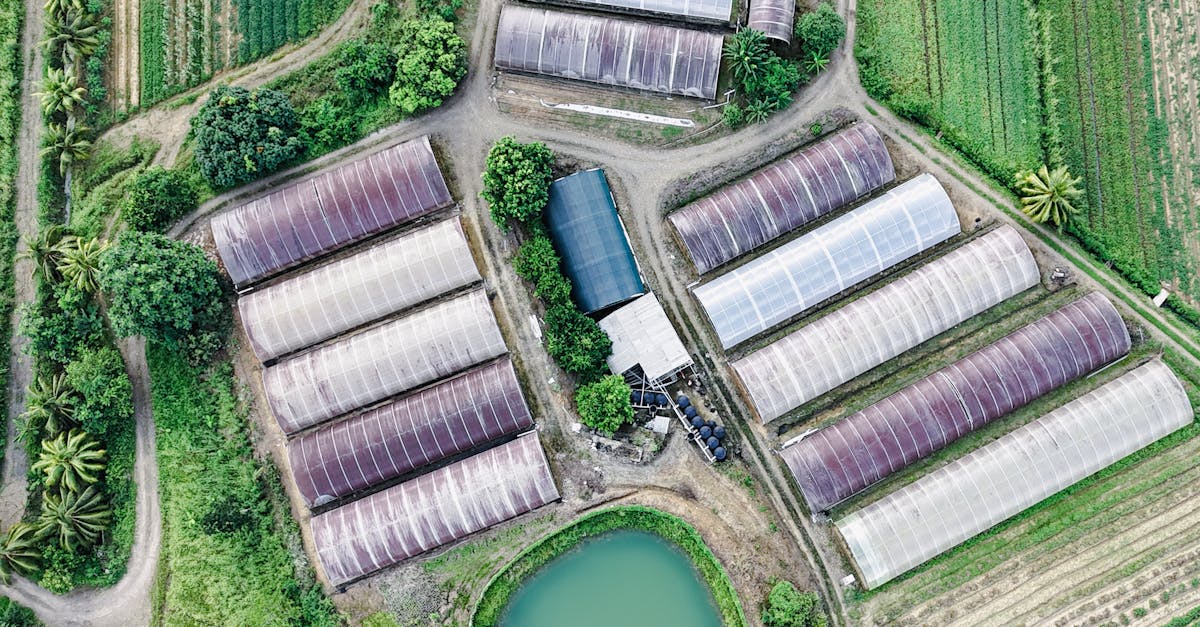 This photo was taken by Mervin Felix on Pexels.
Preserving Heritage: Community-Led Tourism in Italy's Hidden Villages
In the rolling hills of Tuscany and the rugged mountains of Abruzzo, a quiet revolution is reshaping how travelers engage with Italy's most charming villages. Rather than being passive observers, visitors are invited to become temporary residents, participating in community-led initiatives that prioritize local heritage over mass tourism. These hidden gems, often overlooked by standard itineraries, rely on the stewardship of their inhabitants who manage homestays, artisan workshops, and farm-to-table experiences directly. By choosing these authentic destinations, tourists contribute immediately to the local economy, ensuring that revenue stays within the village to maintain historic buildings, support aging populations, and keep traditional crafts alive.
This model of sustainable travel fosters a deep cultural exchange where the preservation of identity becomes a shared goal between host and guest. In places like Matera or the lesser-known hamlets of the Dolomites, tourism is carefully regulated to prevent overcrowding while celebrating unique customs, dialects, and culinary secrets passed down through generations. Travelers find themselves not just sightseeing, but learning to make pasta from nonna, tending to vineyards, or restoring ancient stone paths alongside neighbors. This approach ensures that Italy's rich tapestry of rural life remains vibrant and resilient, proving that the most memorable journeys are those that leave a positive footprint on both the landscape and the people who call it home.
This photo was taken by Erik Mclean on Pexels.