Eating Like a Local: Street Food Hotspots in Naples and Palermo
 This photo was taken by Erik Mclean on Pexels.
Naples: The King of Pizza and the Art of the 'Sfogliatella'
Naples is not merely a city; it is the birthplace of pizza, where the art of baking has been elevated to a cultural religion and protected by UNESCO. To eat like a local here means stepping into a bustling pizzeria with peeling walls and charcoal-fired ovens, where the dough is tossed with a rhythmic grace that only decades of practice can perfect. You must try the classic Pizza Margherita or the richer Pizza Marinara, but the true magic lies in the crust: thin, charred, and airy, designed to be eaten immediately while standing at the counter. Beyond the square pie, Naples offers a world of street food where you might grab a 'frittatina di pasta,' a fried pasta cake stuffed with béchamel and ragù, or a 'cuoppo' filled with crispy calamari and fries, proving that the most authentic flavors are often found on the go.
No culinary journey through Naples is complete without surrendering to the sweet allure of the 'sfogliatella,' a pastry so intricate it seems impossible to have been created by hand. This iconic treat features hundreds of paper-thin layers of dough that create a shattering, flaky exterior, encasing a rich, creamy filling of ricotta cheese, semolina, and candied citrus peel. While there are two main varieties—the crisp 'riccia' and the softer 'frolla'—the purists insist on the 'riccia' for its delicate texture that melts on the tongue. Enjoyed fresh from the oven alongside a strong espresso at a historic café like Pasticceria Giordano, this dessert encapsulates the Neapolitan spirit: chaotic, delicious, and deeply rooted in tradition, offering a taste of history with every bite.
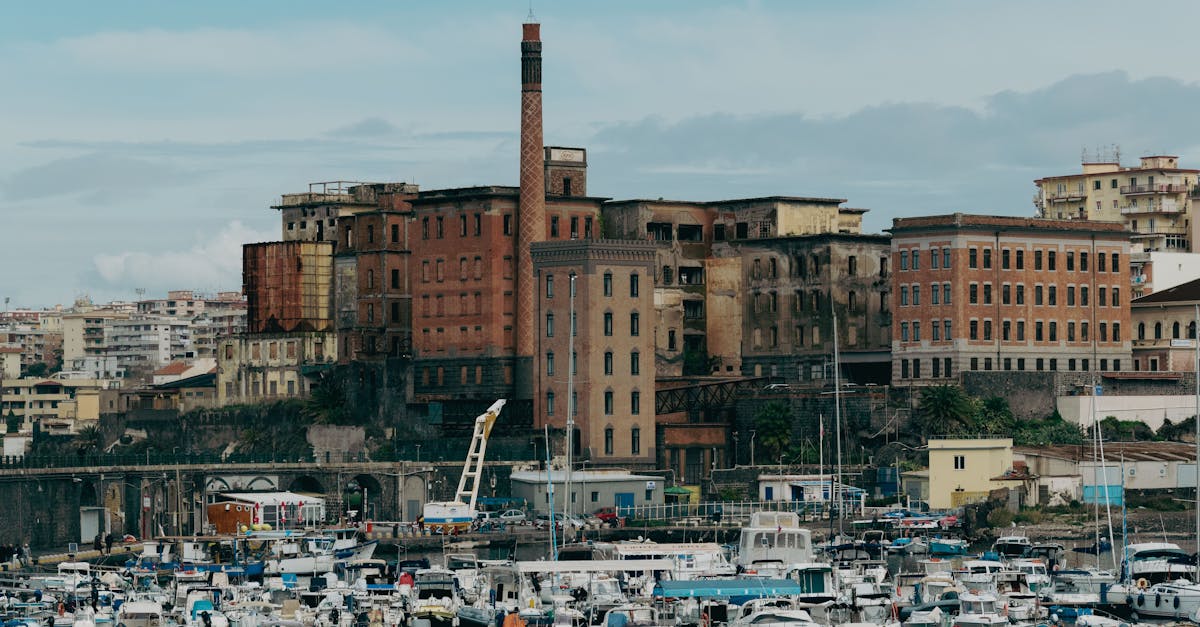 This photo was taken by Balázs Gábor on Pexels.
Palermo: A Sweet and Savory Journey Through Arancini and Panelle
Stepping into the vibrant street food scene of Palermo is like embarking on a culinary adventure where history and flavor collide in every bite. The undisputed king of this gastronomic landscape is the arancini, golden spheres of saffron-infused rice that are fried to perfection and stuffed with ragù, mozzarella, or peas; unlike their Neapolitan cousins, these Sicilian treasures often boast a crispy exterior that gives way to a creamy, rich interior. Yet, the true soul of Palermo's street food lies in its ancient roots, best experienced at the historic Ballarò market, where vendors serve piping hot panelle—delicate chickpea flour fritters seasoned with black pepper and served warm between slices of bread. This simple yet profound dish, dating back to Arab rule, offers a savory depth that perfectly balances the sweetness of the region's famous desserts, creating an unforgettable symphony of tastes.
As you wander through the bustling alleyways near the Vucciria or the Kalsa district, the air fills with the aroma of frying oil and toasted spices, inviting you to pause and savor the local rhythm. Here, eating is not just about sustenance but a social ritual where locals gather around open-air stalls to share stories over plates of arancini al burro or crispy cazzilli. Unlike the more structured dining experiences found elsewhere, Palermo's street food culture encourages spontaneity and exploration, allowing visitors to sample a variety of textures and flavors without breaking the bank. Whether you are dipping a piece of pane con la milza or enjoying a sweet cannolo filled with ricotta and pistachio right after your savory meal, you will find that the city's streets offer a genuine taste of Sicily that no restaurant can fully replicate.
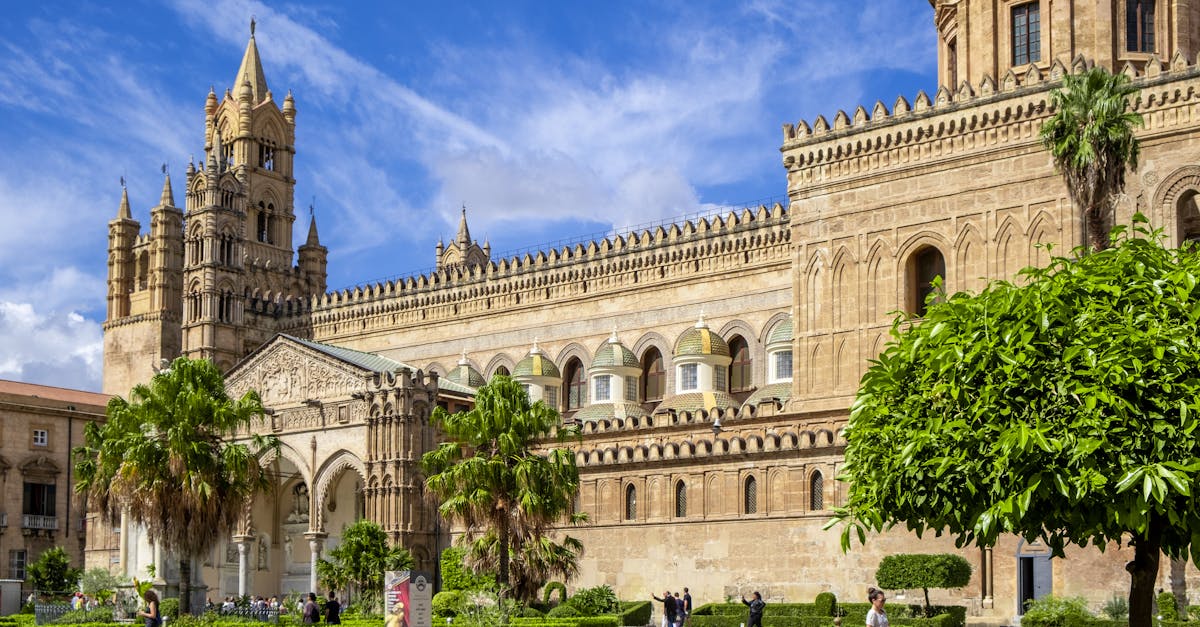 This photo was taken by José Barbosa on Pexels.
Hidden Alleys: Where Locals Actually Eat in Both Cities
While the main thoroughfares of Naples and Palermo are often crowded with tourists chasing famous pizza slices or arancini, the true culinary soul of these cities beats in their narrow, winding alleys. In Naples, venture away from the bustling Piazza Bellini to the quiet backstreets of Quartieri Spagnoli, where families gather around tiny, smoke-filled tables to share 'frittatina di pasta' and 'cuoppo' filled with fresh fritto misto. Similarly, in Palermo, skip the souvenir-laden Via Maqueda and instead wander into the labyrinthine streets near the Vucciria market after dusk; here, you will find locals lining up for 'pane e panelle' from unassuming carts tucked between ancient buildings, savoring simple chickpea fritters that have been a staple of Sicilian street food for centuries.
These hidden corners offer an authentic dining experience that goes far beyond the tourist menu, inviting visitors to partake in the daily rhythm of local life. In both cities, the best meals are often found at counters where conversation flows as freely as the espresso, and where the only sign language needed is pointing to what smells most appetizing. Whether it is a grandmother serving 'sfincione' in a Naples alleyway that has operated for three generations, or a Palermo vendor grilling fresh fish sandwiches in a shadowed passage near the Quattro Canti, these spots provide a genuine connection to the culture. By stepping off the beaten path, travelers not only taste the most flavorful regional dishes but also become temporary insiders, welcomed into the intimate social fabric of Italy's most vibrant food scenes.
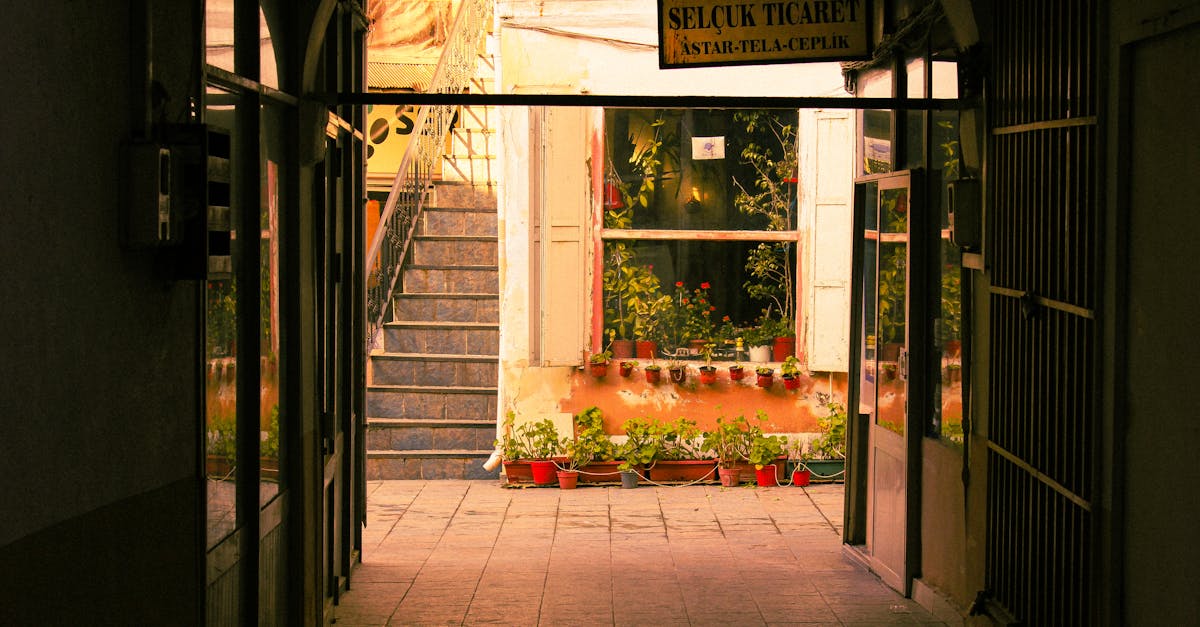 This photo was taken by Melik Dngsk on Pexels.