Easter Traditions: How Italians Celebrate Holy Week Across the Peninsula
 This photo was taken by RDNE Stock project on Pexels.
Welcome to the heart of Italy during its most spiritually profound week. As Holy Week unfolds across the peninsula, the country transforms into a living tapestry of faith, history, and vibrant community spirit that goes far beyond the religious observance itself. From the hauntingly beautiful processions in the south to the ancient rituals preserved in Rome and Florence, and even the unique customs found from the snowy Alps down to the sun-drenched shores of Sicily, this journey reveals how Italians honor tradition with an intensity that has captivated visitors for centuries. Join us as we explore the diverse ways this beloved destination celebrates Easter, offering you a deeper understanding of the culture and soul of Italy.
The Solemn Processions of Southern Italy
As Holy Week unfolds in the sun-drenched south of Italy, the air grows thick with incense and the rhythmic clatter of heavy wooden statues carried on shoulders. In cities like Trapani, Sicily, and Matera, Basilicata, the streets transform into vast stages for the "Via Crucis," where centuries-old traditions breathe life into biblical narratives. The most hauntingly beautiful moments occur during the evening processions of Good Friday, when hooded penitents known as contrappunti march in solemn silence, their faces obscured by pointed hoods, carrying towering, ornate floats depicting the Passion of Christ or the sorrowful Virgin Mary. These parades are not merely religious observances but intense cultural performances that blend deep faith with a dramatic flair unique to Southern Italian heritage, drawing crowds who watch with tear-filled eyes as the community unites in shared grief and devotion.
The sensory experience of these processions is unlike anywhere else in Europe, characterized by the interplay of flickering candlelight against ancient stone facades and the resonant tolling of church bells that seem to vibrate through the very ground. In towns across Campania and Calabria, the procession pauses at specific stations for emotional recitations and hymns sung a cappella, creating an atmosphere of profound reverence that transcends time. Visitors walking alongside these lines of devotees often find themselves moved by the raw emotion displayed by locals, from the elderly women who have participated since childhood to young families teaching the next generation about their spiritual roots. To witness these events is to understand that for many in Southern Italy, Easter is not just a holiday but a living, breathing testament to their identity, history, and unwavering faith.
 This photo was taken by Hayri YANIK on Pexels.
Historical Rituals in Central Rome and Florence
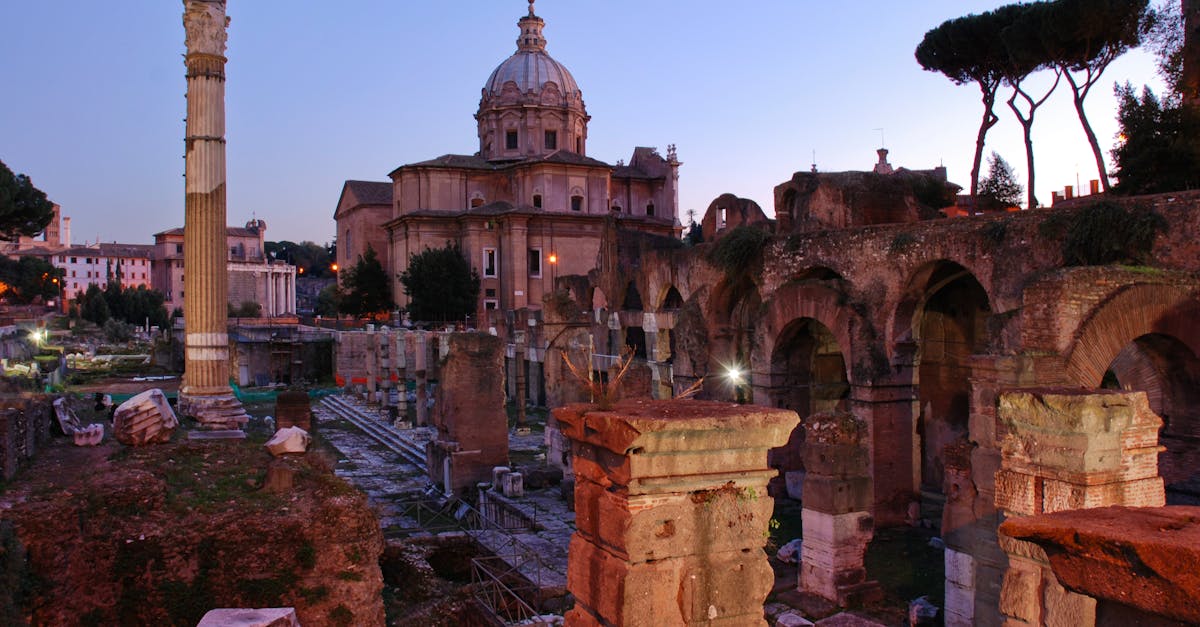
In the heart of Central Rome, Holy Week transforms the Eternal City into a living stage for centuries-old rituals that blend solemnity with grandeur. The most iconic event is the Via Crucis (Way of the Cross) held at the Colosseum on Good Friday, where thousands gather under the flickering torchlight to witness the Pope's procession through the ancient amphitheater, echoing the footsteps of early Christians. Just as powerful is the "Procession of the Mysteries" in Florence, where the city pauses as the Confraternity of San Giovanni Battista marches through the streets carrying massive, ornate floats depicting biblical scenes, accompanied by the haunting sound of trumpets and drums. These processions are not merely parades but profound expressions of faith, drawing locals and visitors alike into a shared spiritual journey that honors the sacrifice of Christ.
Beyond the public spectacles, these cities offer intimate glimpses into the deep-rooted traditions that define Italian Easter. In Rome, the climax arrives with the "Urbi et Orbi" blessing from St. Peter's Basilica on Easter Sunday, followed by the vibrant celebration of the Resurrection where families break their Lenten fast with traditional dishes like the sweet bread 'Colomba' shaped like a dove. Meanwhile, Florence celebrates with its unique 'Scoppio del Carro' or 'Explosion of the Cart,' an ancient ceremony dating back to the First Crusade where a decorated cart is pulled by white oxen to the Duomo square; a mechanical dove launches fireworks from the altar to ignite the cart's gunpowder, symbolizing the triumph of life over death. Whether witnessing the somber penance of Rome's streets or the explosive joy of Florence's square, travelers experience a cultural tapestry woven with devotion, history, and community spirit that makes Italy's Holy Week truly unforgettable.
 This photo was taken by Tom D'Arby on Pexels.
Unique Local Customs from the Alps to Sicily
From the misty peaks of the Dolomites to the sun-drenched valleys of Sicily, Italy's Holy Week is a tapestry woven with distinct regional threads that reflect centuries of local devotion. In the rugged north, particularly in Trentino and South Tyrol, you might witness the "Processione dei Ceri" or solemn candlelit vigils where communities gather in quiet reverence against a backdrop of snow-capped mountains, emphasizing a stark, spiritual austerity. Conversely, as you travel south into the warm embrace of Sicily, the atmosphere shifts dramatically; here, Easter Sunday is marked by the "Via Crucis Vivente," living Stations of the Cross performed with intense theatricality in towns like Enna and Caltagirone, where participants don elaborate historical costumes and the air fills with the scent of burning incense and roasted lamb, celebrating resurrection with vibrant, communal joy rather than somber silence.These customs extend beyond religious rituals into unique culinary traditions that define the celebration across the peninsula. While northern regions often focus on simple, hearty breads and eggs baked in rustic ovens to symbolize new life amidst the cold climate, southern Italy transforms Easter into a gastronomic spectacle. In Naples and surrounding areas, the "Pastiera Napoletana" becomes the centerpiece, a complex pie filled with ricotta, wheat berries, and orange blossom water that represents the cycle of life and death. Meanwhile, in Abruzzo, locals participate in the "Scoppio del Carro" (Explosion of the Cart), where a flower-decorated cart is blown up by fireworks at noon, a chaotic yet beloved tradition believed to ensure a bountiful harvest, proving that whether in the quiet Alps or the bustling streets of Palermo, every Italian town claims its own special way to welcome the spring and the holy season.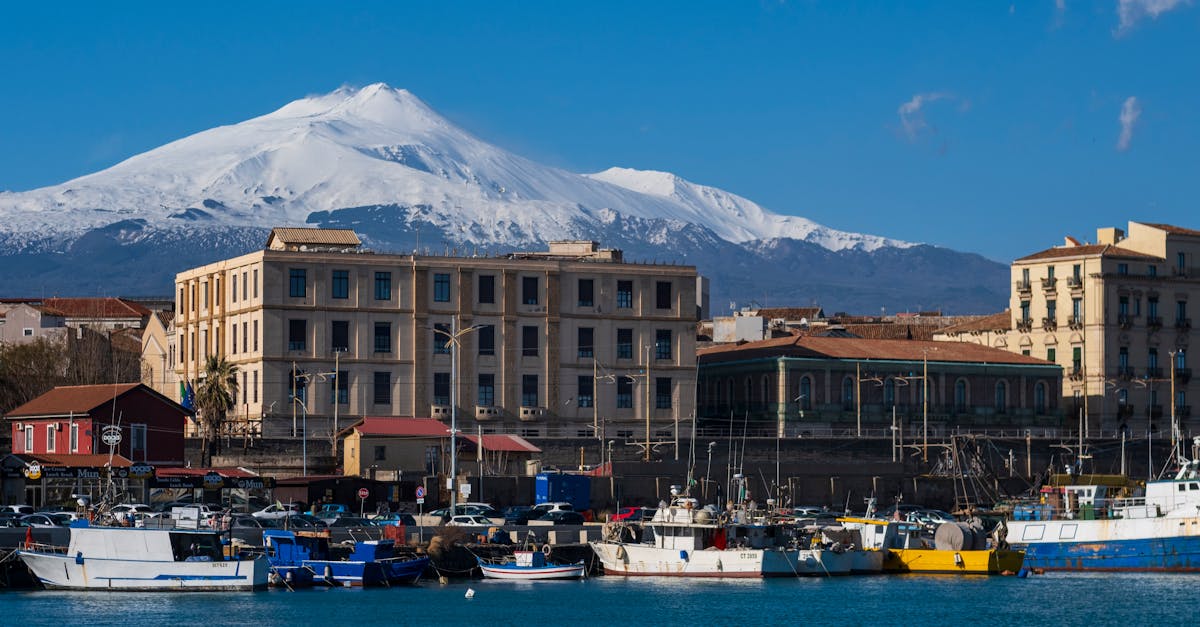 This photo was taken by pierre matile on Pexels.