Easter Traditions: How Italians Celebrate Holy Week Across the Country
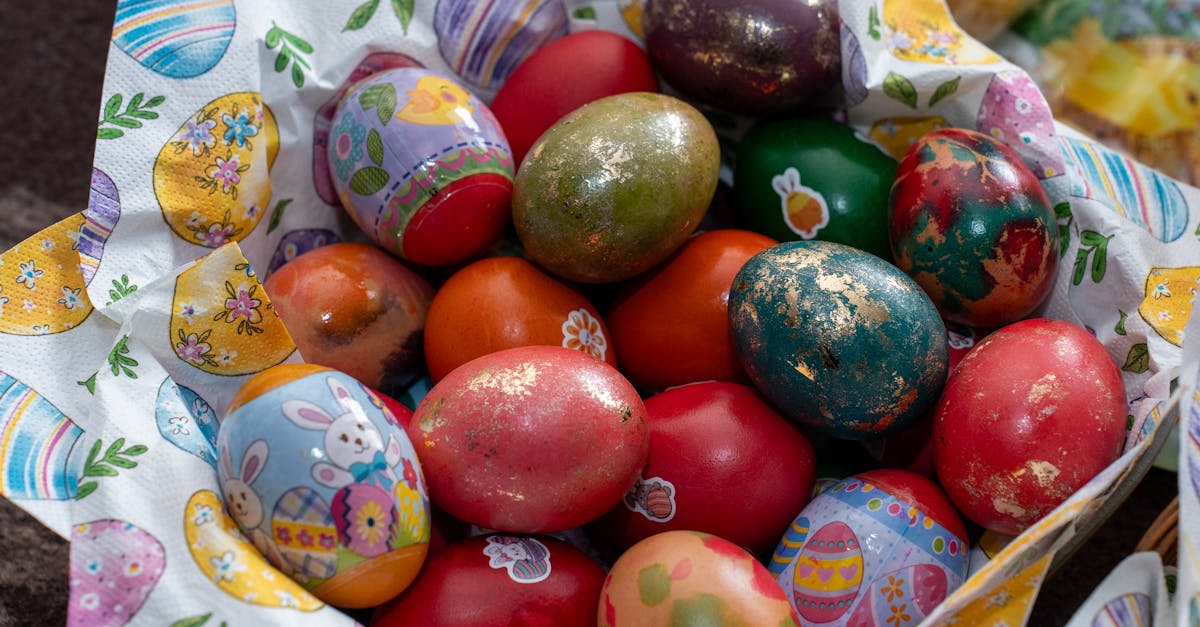 This photo was taken by Kiril Gruev on Pexels.
As the spring sun begins to warm the Italian landscape, the entire peninsula transforms into a living canvas of faith, history, and vibrant community spirit. Easter in Italy is far more than a religious observance; it is a profound cultural journey that weaves together centuries-old traditions, from the tearful solemnity of southern processions to the dazzling pyrotechnics of central towns. Whether you are wandering through the misty valleys of the Alps or basking in the ancient streets of Sicily, Holy Week offers an unforgettable glimpse into the soul of this remarkable country. Join us as we explore the diverse ways Italians honor this sacred time, celebrating a unique heritage that spans from the northern mountains to the southern shores.
The Solemn Processions of Southern Italy
In the sun-drenched landscapes of Southern Italy, Holy Week transforms into a breathtaking tapestry of solemnity and deep-rooted devotion, most notably in Sicily and Puglia. Here, the air is thick with the scent of burning incense and the rhythmic sound of marching boots as ancient confraternities parade through narrow cobblestone streets draped in heavy velvet drapes. The Venerdì Santo (Good Friday) processions are particularly moving spectacles; in towns like Trapani, thousands of participants carry massive, ornate floats bearing statues of the dead Christ and the sorrowful Virgin Mary, while others walk barefoot or wear sackcloth to express penance. These events are not merely religious observances but living histories where centuries-old traditions, passed down through generations, create an atmosphere of profound emotional intensity that resonates deeply with both locals and visitors.
What sets these southern celebrations apart is their theatrical grandeur and the communal spirit that binds the entire town together. In cities like Matera or Lecce, the night is illuminated by flickering torches and candles held high by devotees, casting long, dancing shadows against the historic stone facades of churches and palazzos. The silence during certain moments of the procession is absolute, broken only by the mournful chanting of liturgical hymns or the distant tolling of church bells, inviting onlookers to pause and reflect on the themes of sacrifice and resurrection. For a traveler, witnessing these rituals offers an unparalleled glimpse into the soul of Italian culture, where faith is woven into the very fabric of daily life, creating a powerful, unforgettable experience that lingers long after the final candle has been extinguished.
 This photo was taken by Hayri YANIK on Pexels.
Rituals and Fireworks in Central Regions
In the heart of Italy's central regions, particularly in Umbria and Tuscany, Holy Week transforms into a breathtaking tapestry of ancient rituals that blend solemn devotion with vibrant community spirit. The highlight is undoubtedly the "Processione dei Misteri" in towns like Orvieto or Spoleto, where locals don centuries-old costumes to reenact the Passion of Christ through dramatic tableaux set against medieval backdrops. These parades are not merely performances but deeply felt acts of faith, accompanied by the rhythmic tolling of bells and the haunting melodies of traditional hymns sung in Latin, creating an atmosphere of profound reverence that has been passed down through generations.
The somber reflection of Good Friday gives way to the jubilant explosion of light and sound on Easter Sunday, as the skies above central Italy erupt in spectacular fireworks displays. In historic squares from Siena to Assisi, these pyrotechnic shows serve as a symbolic celebration of the Resurrection, illuminating the stone facades of ancient churches and cathedrals with bursts of gold and crimson. Families gather along the cobblestone streets, sharing laughter and the scent of roasted lamb while watching the sky dance, marking the end of Lenten fasting with a communal joy that echoes through the rolling hills of the region, proving that for Italians, the resurrection is a cause for both spiritual contemplation and earthly celebration.
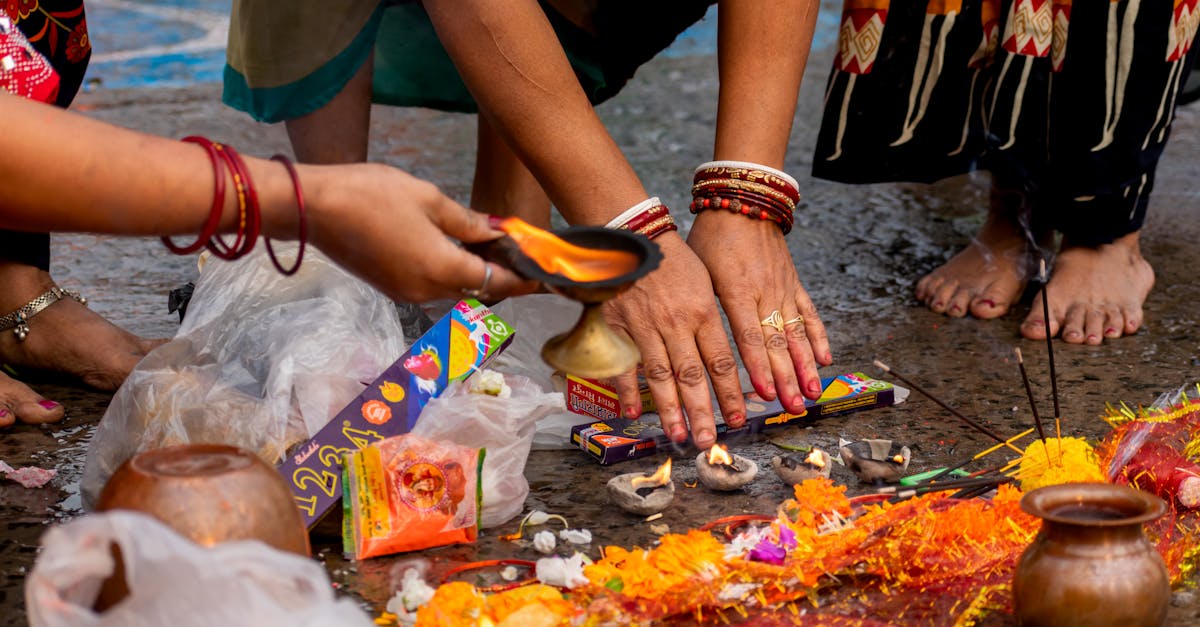 This photo was taken by Krishnendu Biswas on Pexels.
Unique Local Customs from the Alps to Sicily
From the snow-capped peaks of the Dolomites to the sun-drenched valleys of Piedmont, the Alpine regions embrace Holy Week with a profound sense of solemnity and theatrical reverence. In towns like Turin or Bolzano, you will witness the "Via Crucis" processions where locals don traditional woolen garments, carrying heavy wooden crosses through misty streets while ancient chants echo off the mountain faces. These customs often blend Catholic faith with deep-rooted pagan traditions dating back centuries, featuring unique rituals such as the blessing of the new fire in specific villages or the dramatic reenactment of the Passion that involves entire communities rather than just clergy. The air is thick with the scent of incense and roasting chestnuts, creating an atmosphere of quiet contemplation that stands in stark contrast to the bustling energy found further south.
As you journey down the boot-shaped peninsula to Sicily, the Easter celebrations transform into a vibrant explosion of color, music, and intense devotion that feels almost like a festival of life amidst the mourning of death. Here, the highlight is undoubtedly the procession of the "Vara," a massive, ornate float depicting the dead Christ carried on the shoulders of dozens of men in elaborate costumes, accompanied by the haunting sound of bagpipes known as "zampogne." In cities like Enna or Caltanissetta, these processions last until dawn, drawing thousands of spectators who light candles and pray along the route, while in Palermo, the "Sepolcri" tradition sees families decorating their homes with intricate floral arrangements to welcome the returning Resurrected Christ. This southern flair turns Holy Week into a sensory overload where the boundary between religious piety and cultural pride blurs beautifully, offering visitors a glimpse into the soul of Italian identity.
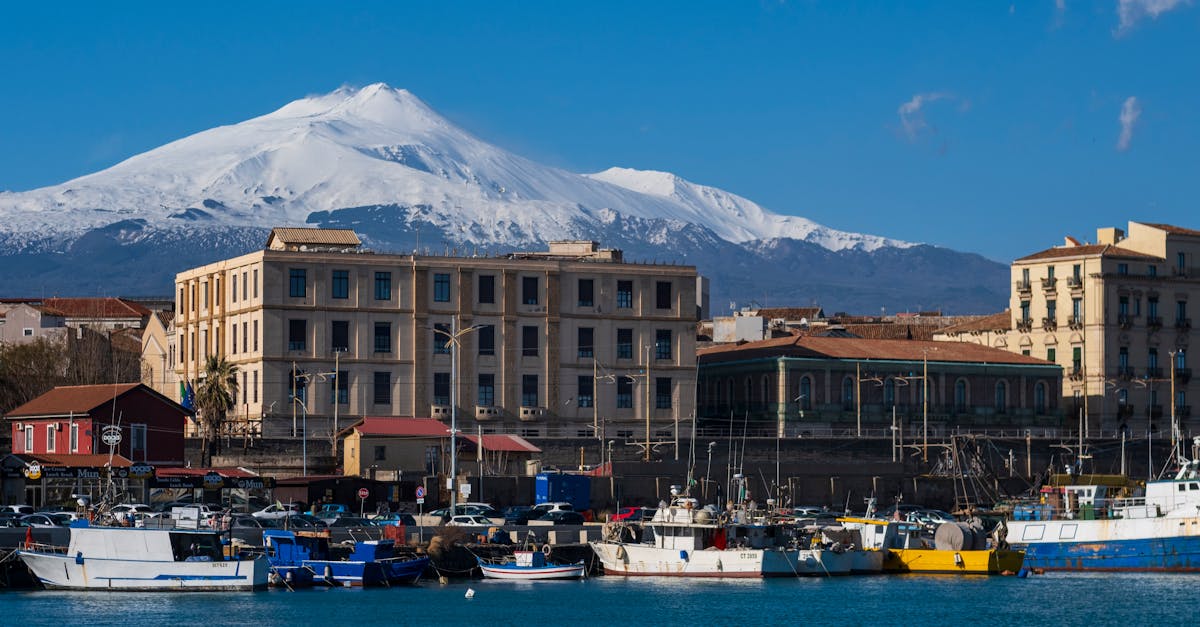 This photo was taken by pierre matile on Pexels.