Cultural Etiquette: Do's and Don'ts for Respecting Italian Traditions
 This photo was taken by Erik Mclean on Pexels.
Dining with Grace: The Art of Italian Table Manners
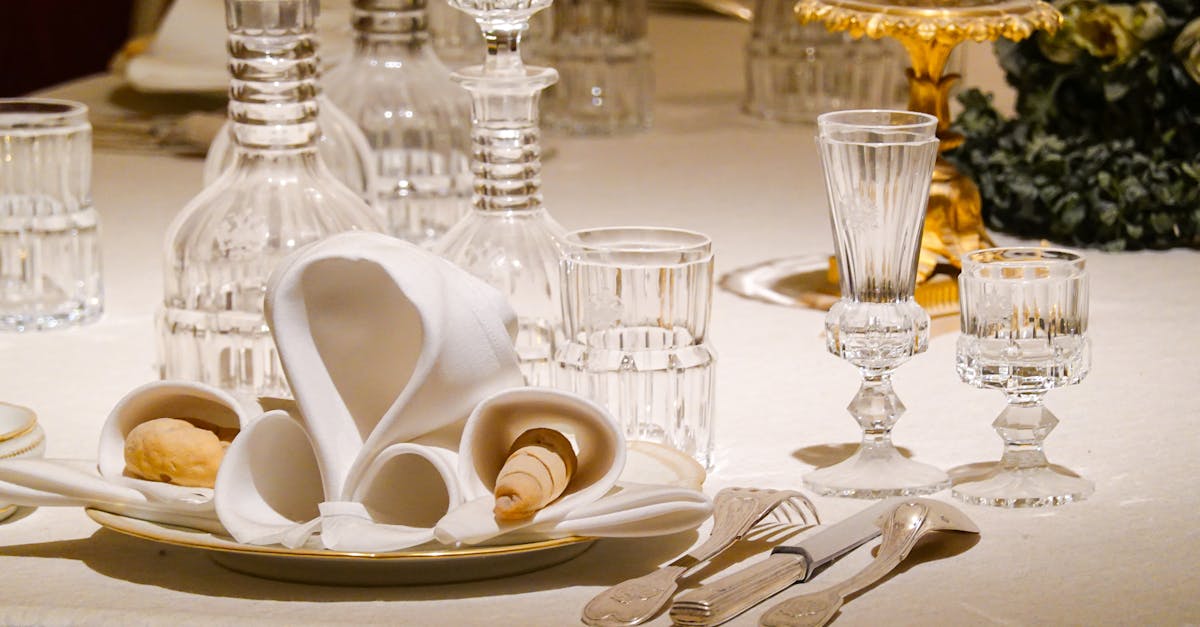
In Italy, dining is a sacred ritual where grace and patience are the truest forms of respect. When you sit down at a table, remember that meals are meant to be savored, not rushed; therefore, never ask for your check immediately after finishing your meal, as this can be perceived as impolite or dismissive of the experience. Instead, wait for the server to offer the bill or simply signal them when you are truly ready to depart, often by placing your hands flat on the table. Furthermore, keep your hands visible above the table at all times, resting your wrists gently on the edge rather than in your lap, and always wait until everyone has been served before taking your first bite.
The art of ordering also requires a delicate touch, particularly regarding coffee and bread. While it is perfectly acceptable to enjoy a cappuccino with breakfast, ordering one after 11:00 AM is considered a culinary faux pas that locals will gently mock, so switch to an espresso to blend in seamlessly. Similarly, avoid cutting pasta with a knife, as this breaks the flow of the dish and suggests you cannot manage it properly with a fork alone. By adhering to these subtle nuances, you show a deep appreciation for the Italian way of life, transforming a simple meal into a harmonious celebration of culture and community.
 This photo was taken by Magda Ehlers on Pexels.
Greeting the Locals: A Guide to Polite Interactions
Greeting locals in Italy is an art form that sets the tone for your entire interaction, so always begin with a warm "Buongiorno" before 6 PM or "Buonasera" thereafter. It is considered rude to launch straight into business or a request without this initial social acknowledgment; taking a moment to smile and make eye contact shows genuine respect for their culture. In more formal settings or when addressing someone older, using the polite "Lei" form of address rather than the informal "tu" is essential until invited otherwise, as it demonstrates proper deference and helps you avoid unintentional offense.
Beyond verbal greetings, understanding the rhythm of Italian conversation is key to polite engagement. Italians are known for their expressive body language and animated discussions, often involving hand gestures and close proximity, which should be interpreted as signs of interest and warmth rather than aggression. However, remember that interrupting someone while they are speaking is frowned upon; instead, wait for a natural pause to contribute your thoughts. By embracing these nuances of timing and expression, you not only show cultural sensitivity but also open doors to richer, more authentic connections with the people who call Italy home.
 This photo was taken by Bezalens JGP on Pexels.
Sacred Spaces and Sacred Times: Church and Festival Etiquette
When entering Italy's countless churches and basilicas, remember that these are active places of worship rather than mere museums; dressing modestly by covering shoulders and knees is not just a suggestion but a strict requirement for entry. During Mass or prayer services, maintain a hushed reverence, silence your mobile device completely, and avoid lingering in the aisles to take photos, as this disrupts the spiritual atmosphere for locals. It is also customary to remove hats upon entering and to refrain from using flash photography inside, allowing you to appreciate the breathtaking artistry without disturbing the solemnity of the space.Beyond daily church visits, understanding the rhythm of local festivals, known as sagre, offers a deeper connection to Italian life, where etiquette revolves around participation and respect for tradition. While you are welcome to join processions and celebrations, always follow the lead of the locals regarding when to clap, sing, or bow during religious ceremonies, and never attempt to touch sacred relics or statues unless explicitly invited. Embrace the communal spirit by engaging politely with vendors and residents, accepting offered treats like wine or sweets with a gracious "grazie," and remembering that these events are deeply rooted in centuries-old customs that prioritize community harmony over tourist spectacle. This photo was taken by Jean-Paul Wettstein on Pexels.