Cultural Etiquette 101: Do's and Don'ts for First-Time Visitors to Italy
 This photo was taken by MART PRODUCTION on Pexels.
Welcome to the Bel Paese, a land where history breathes through every cobblestone and artistry lives in the daily rhythm of life. As your guide, I invite you to step beyond the postcard moments and embrace the authentic Italian experience by understanding the unspoken rules that govern our society. Whether you are sipping espresso at a standing bar or wandering through ancient basilicas, knowing the local etiquette will not only help you avoid faux pas but will also open doors to warmer interactions with locals who appreciate visitors making an effort to respect their traditions. In this guide, we will explore how to master the delicate balance between formality and friendliness in greetings, decode the unwritten laws of our dining culture from coffee times to tipping customs, and navigate public spaces with the grace and reverence they deserve.
Mastering the Art of Greeting: When to Say 'Buongiorno' vs. 'Ciao'
Understanding the nuances of Italian greetings is your first step toward blending seamlessly into the local fabric, as the choice between Buongiorno and Ciao hinges entirely on context and relationship. Buongiorno (Good morning) or Buonasera (Good evening) are the safe, respectful choices for any formal interaction, whether you are addressing a shopkeeper, entering a hotel, or speaking to someone older than you; these terms convey politeness and acknowledge the time of day, setting a courteous tone for your exchange. In contrast, Ciao is an informal salutation reserved exclusively for friends, family, children, or peers with whom you have established a rapport, and using it prematurely with strangers can be perceived as overly familiar or even rude.
To navigate this social landscape with confidence, remember that Italians generally prefer a slightly more formal approach until invited otherwise, so when in doubt, always start with Buongiorno or Buonasera paired with a polite Prego or Grazie. This initial formality shows respect for their culture and often encourages locals to relax their demeanor quickly, potentially leading them to switch to Ciao themselves if they sense a friendly connection forming. By mastering this subtle distinction, you not only avoid potential faux pas but also open doors to warmer interactions, proving that your effort to understand their customs is appreciated and valued by the communities you visit.
 This photo was taken by Quentin Martinez on Pexels.
Dining Like a Local: The Rules of Coffee, Wine, and Tipping
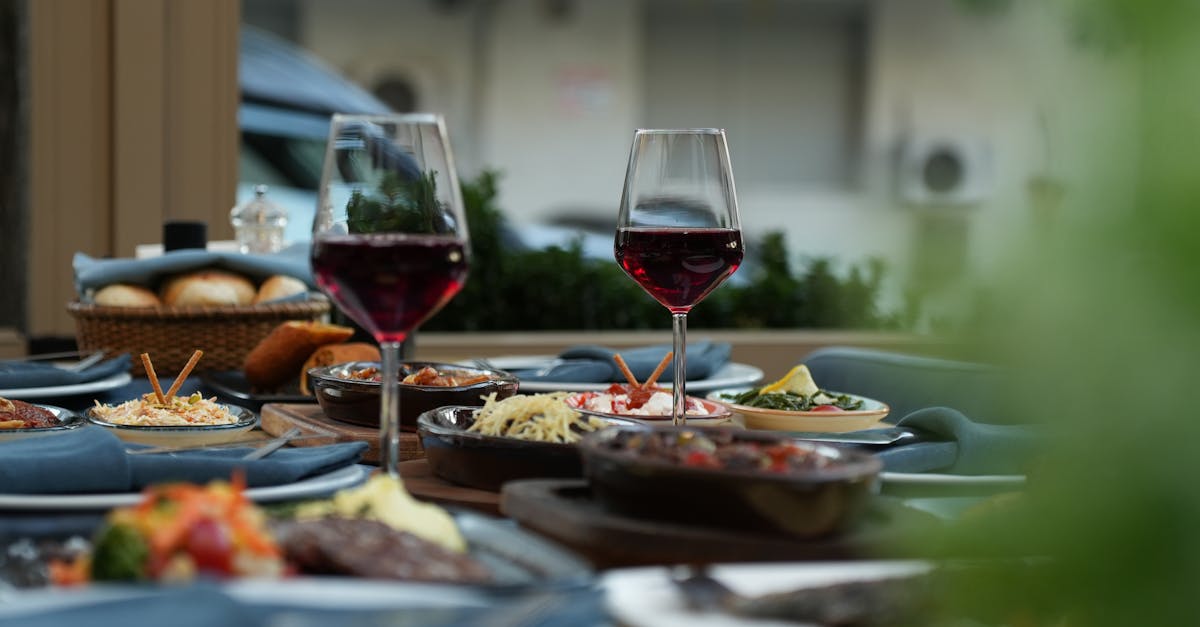
Mastering the art of Italian dining begins with understanding the unspoken rhythm of coffee and wine. When enjoying a cappuccino, remember that it is strictly a morning ritual; ordering one after 11:00 AM is considered a culinary faux pas, as locals prefer an espresso to aid digestion rather than heavy milk during the day. Similarly, while wine is ubiquitous, avoid asking for a "glass" unless you are at a casual trattoria, as Italians typically order by the bottle or carafe to savor the vintage fully. Never request ice in your water or drinks, as it dilutes the flavor and disrupts the local palate, and always finish your meal before leaving the table to signal to the staff that you are ready to pay.
Tipping culture in Italy differs significantly from what many tourists expect, so there is no need to stress over complex percentages. Service charges, known as coperto, are often included in the bill, meaning a tip is genuinely optional rather than mandatory. If the service was exceptional, rounding up the bill by a few euros or leaving small change on the table is a generous gesture that will be warmly appreciated, but leaving a large percentage like 20% can sometimes make you appear out of touch with local customs. The best approach is to leave a few coins or simply say "grazie" with a smile, acknowledging the effort without turning a modest evening into a financial transaction.
 This photo was taken by Busenur Demirkan on Pexels.
Dress Codes and Public Behavior: Respecting Sacred Spaces and Social Norms
When visiting Italy's magnificent churches, basilicas, and religious sites, adhering to a modest dress code is not merely a suggestion but a sign of deep respect for local traditions. Both men and women are expected to cover their shoulders and knees; sleeveless tops, short skirts, and shorts are strictly prohibited at sacred spaces like the Duomo in Florence or St. Peter's Basilica in Rome. If you arrive unprepared, many entrances will turn you away, so it is wise to carry a lightweight scarf or shawl in your day bag to drape over bare skin when needed. Beyond attire, maintaining a hushed tone and avoiding flash photography inside these holy places ensures that you do not disturb worshippers who come to pray in silence.
Outside of religious contexts, Italian social norms revolve around a culture of "la bella figura," which emphasizes presenting oneself with elegance and courtesy in public interactions. Greet shopkeepers and restaurant staff with a polite "Buongiorno" or "Buonasera" before making any requests, as skipping this pleasantries can be perceived as rude. Dining etiquette also plays a crucial role; remember that espresso is typically consumed standing up at the bar for a quick caffeine fix, while sit-down meals are leisurely affairs where rushing through courses is frowned upon. Furthermore, avoid speaking loudly on mobile phones in crowded streets or on public transport, as Italians value personal space and quiet public conduct, creating a more pleasant atmosphere for everyone.
 This photo was taken by Magda Ehlers on Pexels.