Culinary Secrets: Learning to Make Authentic Pasta in Bologna
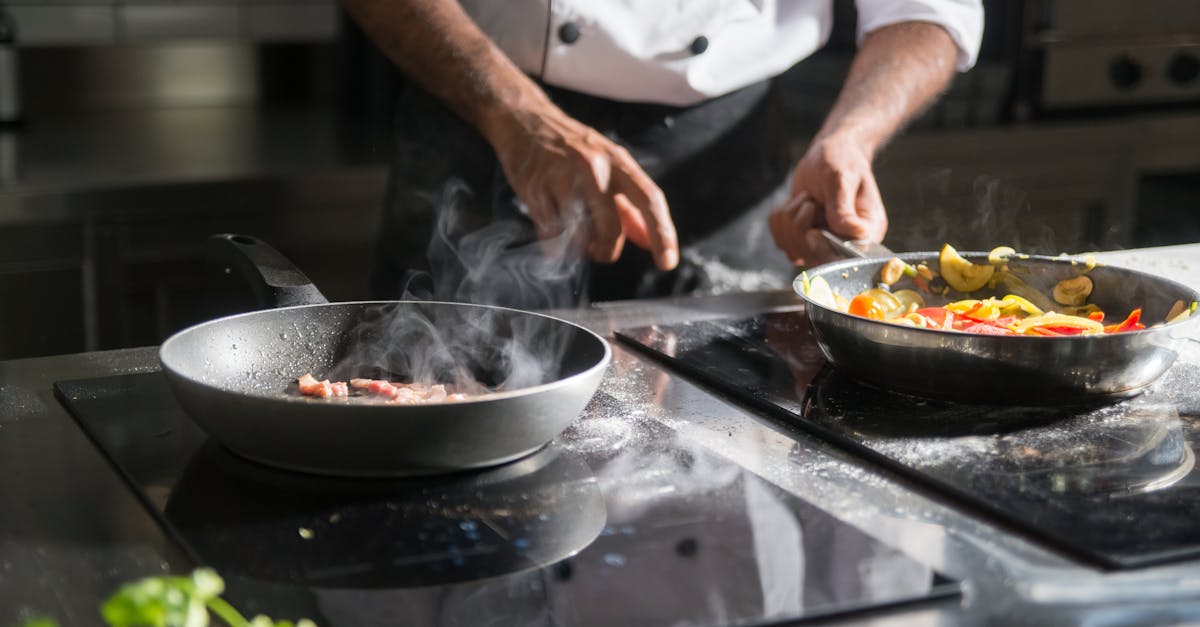 This photo was taken by Kampus Production on Pexels.
Benvenuti in Emilia-Romagna, the true heart of Italian gastronomy! If you have ever wondered why Bologna is affectionately known as La Grassa (the Fat One) and considered the undisputed pasta capital of Italy, this journey is for you. Here, cooking is not merely a chore but a sacred tradition passed down through generations, where the scent of fresh egg dough mingles with the aroma of slow-simmered ragù. In this post, we will take you behind the closed doors of local kitchens to uncover the culinary secrets that make Bolognese pasta legendary. From understanding the precise texture required for perfect tagliatelle and tortellini to learning the age-old tricks whispered by local Nonnas, get ready to transform your kitchen into an authentic trattoria and taste the soul of Italy one bite at a time.
Discovering the Soul of Bologna: Why This City is Italy's Pasta Capital
Nestled in the heart of Emilia-Romagna, Bologna offers a culinary experience that transcends mere dining; it is an immersion into the very soul of Italian gastronomy. Often affectionately dubbed "La Grassa" (The Fat One) by locals and visitors alike, this city has earned its reputation as the undisputed pasta capital of Italy through centuries of tradition and innovation. Here, the air is perpetually scented with the aroma of slow-simmered ragù and fresh egg dough, creating an atmosphere where every street corner tells a story of family recipes passed down through generations. From the iconic tortellini folded like tiny umbrellas to the rich, meaty lasagne verde, Bologna's pasta culture is not just about food but about the deep-rooted passion for quality ingredients and the artistry of handmade preparation.
For travelers seeking to uncover the secrets behind these legendary dishes, Bologna provides the perfect classroom without walls. Unlike other tourist destinations where cooking classes can feel like performances, here you will find yourself rolling out sheets of delicate sfoglia under the watchful eye of nonnas who have mastered their craft over a lifetime. The journey begins at bustling local markets like the Quadrilatero, where you select the finest flour, eggs, and seasonal vegetables before heading to intimate workshops to learn the precise techniques required to shape authentic tagliatelle or stuff delicate ravioli. By engaging directly with the people who live and breathe this cuisine, you do more than just learn a recipe; you discover the warm, communal spirit that defines Bologna and leaves you with the confidence to recreate its magic in your own kitchen back home.
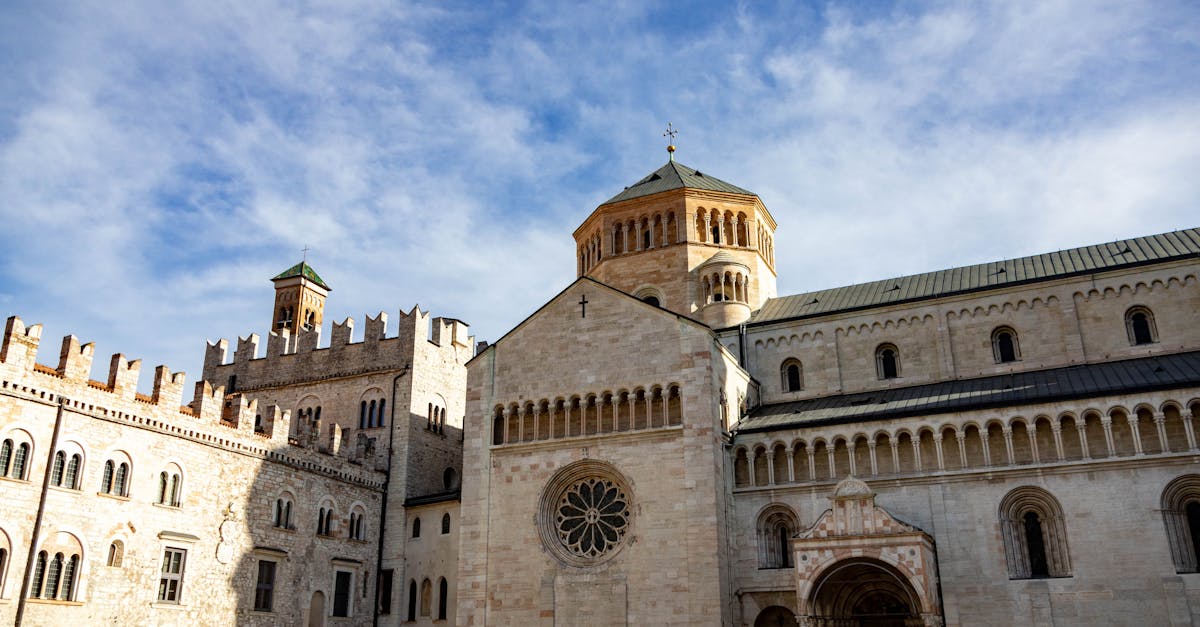 This photo was taken by Marco Piccinelli on Pexels.
From Flour to Fork: Mastering the Art of Fresh Tagliatelle and Tortellini
In the heart of Bologna, known affectionately as "La Grassa" (The Fat One), the journey from humble flour to a perfect forkful begins with the rhythmic kneading of egg-rich dough. Here, the art of making fresh tagliatelle is not merely a cooking technique but a cherished family tradition passed down through generations, where the golden hue of locally sourced eggs meets the fine texture of 00 flour. As you roll out the sheets under the guidance of local nonnas, you learn that the secret lies in patience and feel; the dough must be elastic yet tender, ready to be cut into ribbons that perfectly capture rich ragù alla bolognese. This tactile experience transforms simple ingredients into a culinary masterpiece, offering visitors an intimate glimpse into the soul of Emilian cuisine.
Moving beyond flat ribbons, the intricate world of tortellini reveals itself as the crown jewel of Bolognese pasta craftsmanship, demanding precision and dexterity to fold delicate parcels of filling around a single grain of pepper. These ring-shaped delights, traditionally stuffed with a savory blend of pork loin, prosciutto, mortadella, Parmigiano Reggiano, and nutmeg, are shaped by hand over a small awl or simply pinched together with expert fingers. Once boiled to al dente perfection and served either in a clear broth or tossed lightly with butter and sage, each bite tells a story of regional pride and artisanal dedication. Mastering this craft allows travelers to carry home not just a recipe, but a profound appreciation for the meticulous care that defines authentic Italian gastronomy.
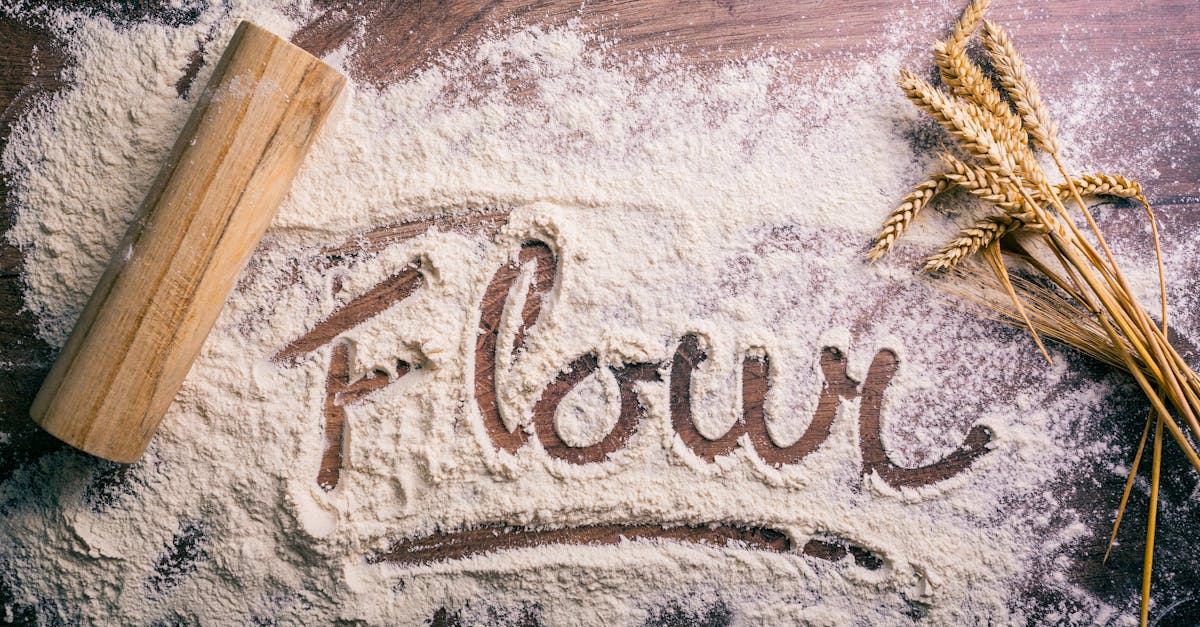 This photo was taken by Lucie Liz on Pexels.
The Hidden Ingredients: Secrets from Local Nonnas for Perfect Dough
While the world knows Bologna as the home of rich ragù, the true magic of its pasta lies in the humble, unassuming ingredients whispered about by generations of Nonnas. The secret isn't just in using 00 flour or fresh eggs, but in the specific ratio of yolk to white and the temperature of the water used to bind them; a true Bolognese master will tell you that on humid days, you need less liquid, while dry winter air demands a splash more to achieve that silky, elastic consistency. Furthermore, many families guard the tradition of letting the dough rest for at least an hour under a damp cloth, a patient step often skipped by tourists rushing to roll out their sheets, yet it is this brief slumber that allows the gluten to relax, ensuring the final tagliatelle cooks with a tender bite rather than a tough chew.
Beyond the basic recipe, the most guarded secrets involve the texture of the flour itself and the rhythmic motion of rolling, which must be performed with a gentle, persistent pressure that mimics the beating of a heart. Some Nonnas insist on adding a pinch of semolina dusted generously onto the work surface not just to prevent sticking, but to create a slightly rougher exterior that holds sauce like a magnet, contrasting beautifully with the smooth interior of the noodle. It is in these small, tactile details—the feel of the dough yielding under fingertips, the sound of the pin gliding over the table—that the authentic soul of Bolognese cuisine is born, transforming simple pantry staples into a culinary masterpiece that has fed families for centuries.
 This photo was taken by Erik Mclean on Pexels.