Culinary Secrets: How to Cook Like a Local in Naples
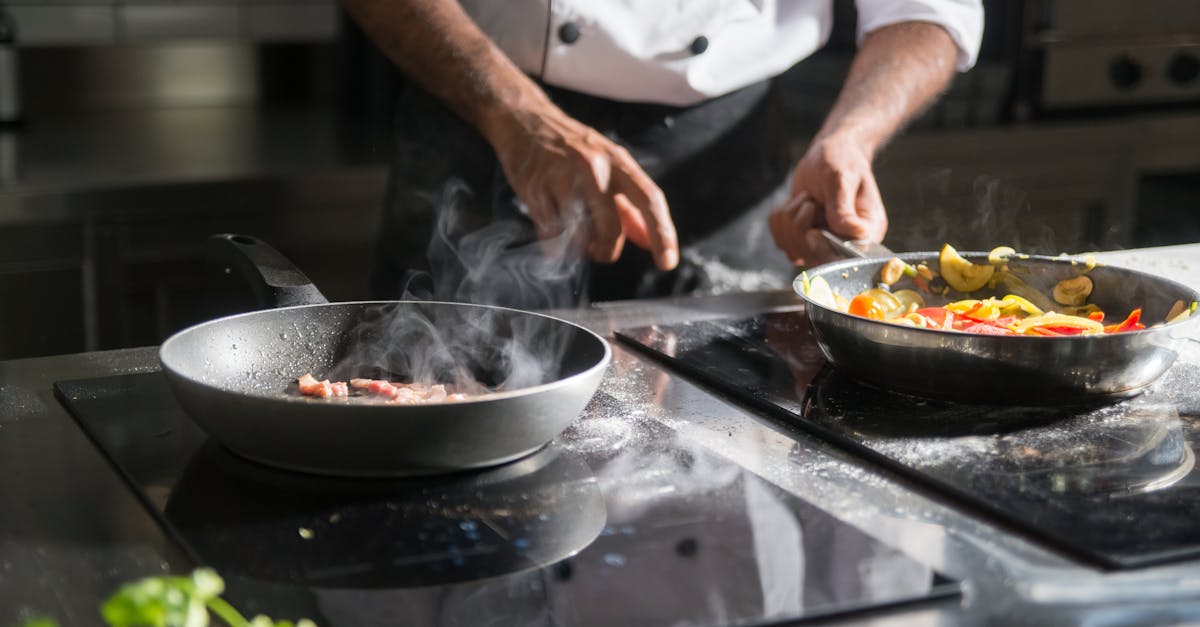 This photo was taken by Kampus Production on Pexels.
The Art of the Perfect Pizza Napoletana
At the heart of Naples lies a culinary ritual that transcends mere cooking, transforming into a sacred dance between fire and dough known as the art of Pizza Napoletana. True to its protected status as a UNESCO Intangible Cultural Heritage, this pizza demands absolute precision: the dough must be hand-stretched to a delicate thinness with puffy, charred edges called the cornicione, baked for merely 60 to 90 seconds in a wood-fired oven reaching scorching temperatures of nearly 500°C. The simplicity is deceptive; it relies on just a handful of high-quality ingredients like San Marzano tomatoes, fior di latte mozzarella, fresh basil, and extra virgin olive oil, where every element must sing in harmony without overpowering the others.
To cook like a local in Naples is to embrace the philosophy that perfection lies in restraint and tradition rather than complex innovations. When you step into an authentic pizzeria, you will observe that the chef works with a rhythmic confidence honed over generations, tossing the dough in the air with a fluid motion that seems almost magical before sliding it onto the hot stone floor of the oven. This experience teaches visitors that the secret to the perfect slice is not found in exotic toppings or heavy sauces, but in respecting the time-honored methods that have made Naples the global capital of pizza, inviting you to savor each bite with the same passion and pride that the locals hold dear.
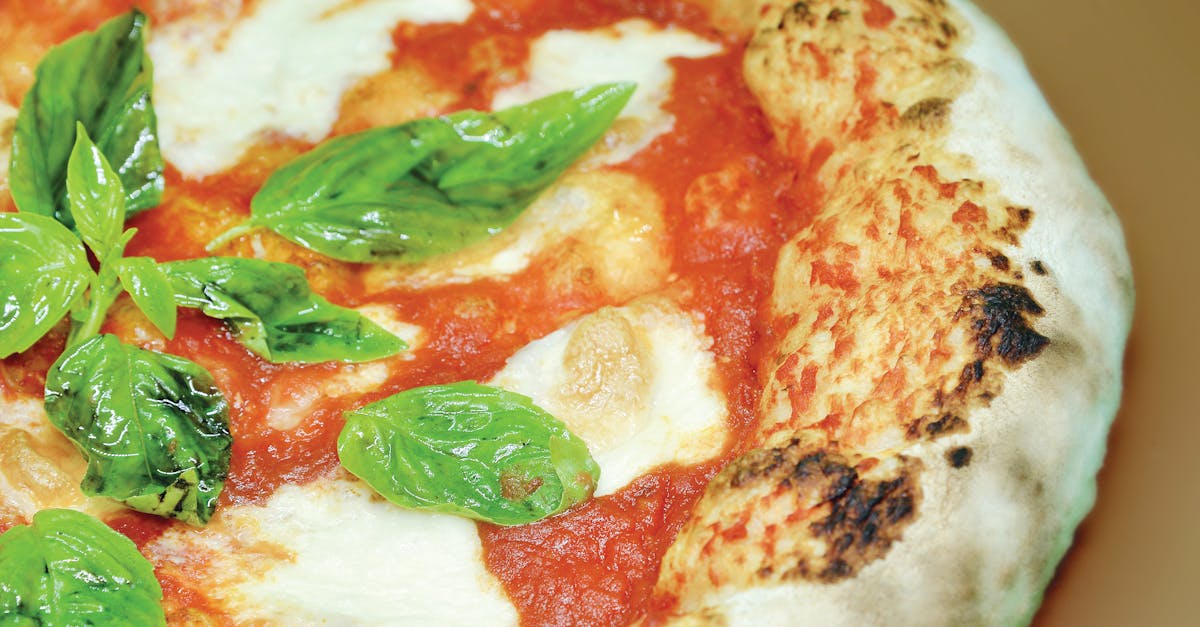 This photo was taken by Moussa Idrissi on Pexels.
Street Food Adventures: From Cuoppo to Scagliozzi
Immerse yourself in the vibrant chaos of Naples' street food scene, where culinary history is served on paper cones and plastic plates. Begin your journey with a classic cuoppo, a cone-shaped vessel brimming with the city's fried treasures, from golden frittatine di maccheroni to crispy calamari and savory arancini, all washed down with a splash of local lemonade or espresso. As you wander through bustling markets like Pignasecca, you'll discover that this portable feast is not just about hunger but a celebration of Neapolitan resourcefulness, turning humble ingredients into an explosion of flavor that has fed workers for centuries.
For a taste of something more unique and deeply rooted in the region's agricultural soul, seek out the elusive scagliozzi, a rustic delicacy often found in rural stalls near Mount Vesuvius. These are soft, pillowy dumplings made from chestnut flour, boiled in water and then tossed in a rich sauce of tomatoes, garlic, and olive oil, offering a sweet yet savory profile that contrasts beautifully with the heavy fried fare of the city center. While less ubiquitous than pizza slices, enjoying these traditional bites allows you to connect with the ancient traditions of the countryside, proving that true Neapolitan cooking extends far beyond the oven and into every corner of the street.
 This photo was taken by Erik Mclean on Pexels.
Hidden Osterias and Family Recipes
While the bustling streets of Naples are lined with famous pizzerias, the true heart of the city's culinary soul beats within its hidden osterias tucked away in narrow alleyways. These unassuming establishments, often lacking a menu or even a signboard, are where generations of Neapolitans gather to share family recipes that have been guarded like precious heirlooms. Here, you won't find standardized dishes; instead, expect a daily changing selection of pasta alla puttanesca made with tomatoes from the very first harvest, or fried fish caught that morning by local fishermen and prepared exactly as Nonna taught her grandchildren. To dine here is to step into a living history book, where the clatter of plates and the warmth of laughter tell stories of resilience and joy that define the Campanian spirit.
Embracing these secrets requires a willingness to look beyond the guidebooks and engage directly with the locals who invite you into their kitchens. Many families still practice the art of Sunday cooking, where entire neighborhoods come together to prepare ragù that simmers for hours, filling the air with scents of basil, slow-cooked pork, and rich wine. By asking questions and showing genuine respect for their traditions, visitors can sometimes be invited to watch the kneading of dough or the rolling of fresh ravioli, learning techniques that cannot be found in any cookbook. This intimate exchange transforms a simple meal into an unforgettable cultural experience, allowing you to taste the authentic flavors of Naples not as a spectator, but as a welcomed guest at the family table.
 This photo was taken by Anna Shvets on Pexels.