Culinary Secrets: How to Cook Authentic Pasta Like a Nonna
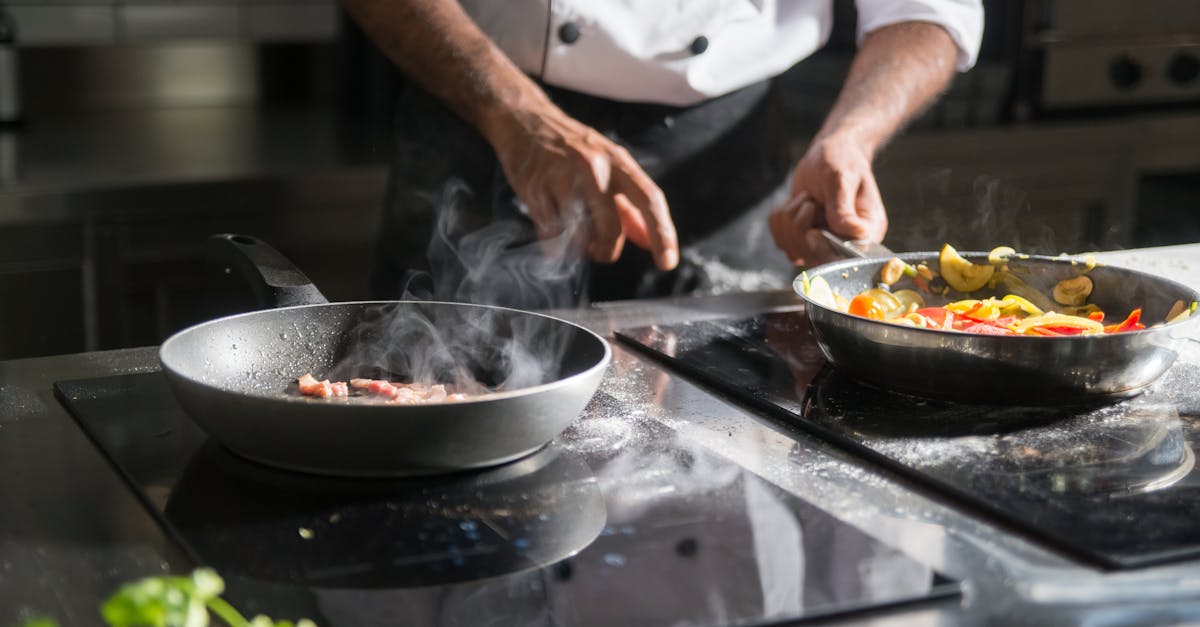 This photo was taken by Kampus Production on Pexels.
Welcome to the heart of Italian culinary tradition, where the kitchen is not just a room for cooking, but a sanctuary of love and history passed down through generations. If you have ever dreamed of crafting pasta that captures the true essence of Italy, you are in the right place. In this journey, we will peel back the curtain on the time-honored techniques used by Nonnas across our beautiful peninsula. From the delicate touch required to knead fresh dough until it sings under your fingertips to the precise timing that yields that perfect al dente bite, every step is a celebration of simplicity and flavor. Join us as we explore the secrets behind traditional sauces that have graced family tables for centuries, inviting you to bring a piece of authentic Italian soul into your own home.
Mastering the Art of Fresh Dough
Mastering the Art of Fresh Dough
Step into a traditional Italian kitchen, and you will immediately notice that making fresh pasta is less about following a rigid recipe and more about listening to your hands. The magic begins with the simple union of "00" flour and eggs, but the true secret lies in the technique known as the "well." By creating a volcano-shaped mound in the center of the flour and gently breaking the egg yolks to mix them inwards, you allow the gluten to develop slowly, resulting in a dough that is both elastic and tender. As you knead on a wooden board, feeling the texture transform from shaggy to smooth under your palms, you are not just preparing food; you are engaging in a ritual passed down through generations, where patience and touch dictate the final quality of every strand.
Once your dough has rested and achieved that perfect, satiny consistency, the real artistry unfolds during the rolling process. Whether you choose the ancient method of using a rolling pin or the modern convenience of a machine, the goal remains the same: to achieve sheets of uniform thinness that can hold their shape without tearing. This delicate balance is crucial for dishes like tagliatelle or ravioli, where the pasta must be sturdy enough to carry rich ragùs yet delicate enough to melt in the mouth. When you finally cut your homemade noodles or fill your pockets with ricotta and herbs, you are holding a piece of Italy's culinary soul, ready to bring the authentic taste of a Nonna's table directly to your own dinner plate.
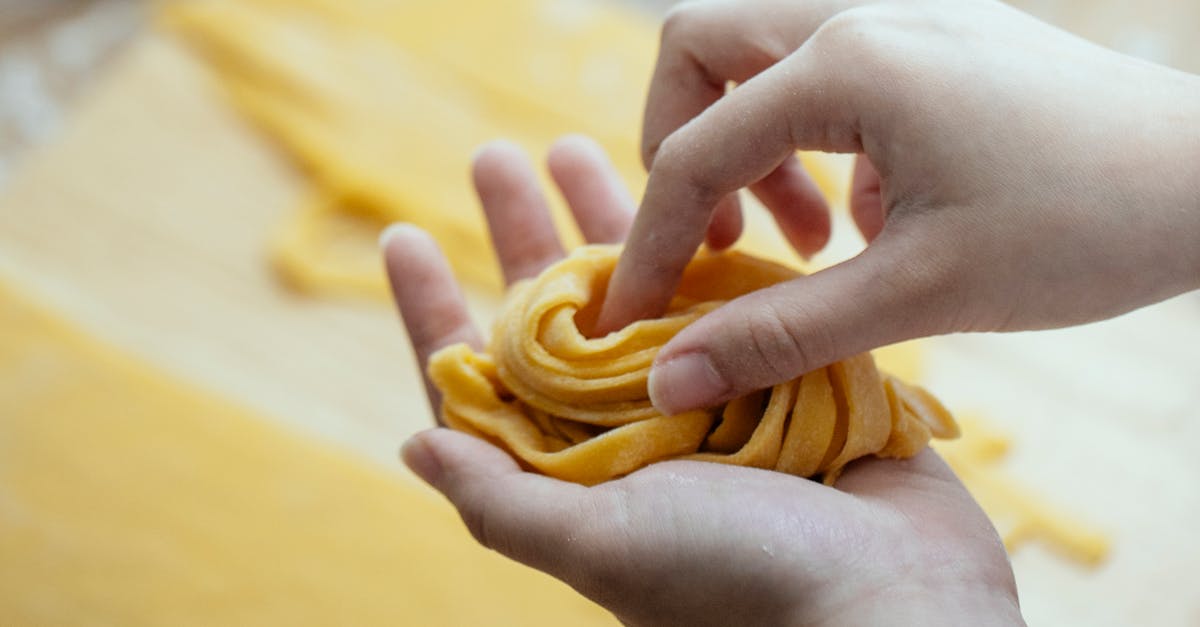 This photo was taken by Katerina Holmes on Pexels.
The Secret to Perfect Al Dente Texture
Mastering the art of al dente, or "to the tooth," is the heartbeat of authentic Italian cooking, transforming simple ingredients into a culinary masterpiece that honors centuries of tradition. The secret lies not in rigid timers, but in constant sensory engagement; you must taste your pasta frequently during the final minutes of boiling to feel for that perfect resistance where the center remains slightly firm yet tender. Unlike many global cuisines that prefer soft textures, true Italian nonnas insist on this subtle bite because it allows the pasta to better capture and hold onto the sauce, ensuring every forkful delivers a harmonious balance rather than a mushy afterthought.
Furthermore, achieving this ideal texture requires a strategic partnership between the pasta water and the pan where the sauce simmers. Instead of draining the noodles completely, reserve a generous cup of the starchy, salted cooking liquid before tossing the pasta directly into the sauce over low heat. This technique, known as mantecatura, allows the starches to emulsify with the fats in the sauce, creating a silky coating that clings to the perfectly cooked strands. By finishing the dish together in the pot, you lock in that elusive al dente crunch while infusing the pasta with the deep, savory flavors of your sauce, just as generations of Italian grandmothers have done in kitchens across the boot-shaped peninsula.
 This photo was taken by Shiny Diamond on Pexels.
Traditional Sauces: From Nonna's Kitchen
There is a profound magic in the aroma that fills a Roman or Neapolitan kitchen when Nonna begins her afternoon ritual of making sauce, a process that relies less on strict measurements and more on the warmth of intuition. The foundation of these authentic dishes is rarely a complex blend of imported spices; instead, it starts with high-quality olive oil, gently sautéed garlic or onions until they whisper rather than burn, and San Marzano tomatoes crushed by hand to preserve their texture. This slow, meditative preparation allows the flavors to meld into a rich, velvety consistency that no factory jar can ever replicate, turning simple ingredients into a symphony of taste that has been passed down through generations of Italian women.
Once the sauce simmers over low heat, often for hours while the family gathers around the table, the final secret lies in the marriage of the pasta and the liquid. A true master knows that the cooked al dente noodles are not merely topped with sauce but tossed directly in the pan with a splash of starchy cooking water, creating an emulsion that clings to every strand. Whether it is a rustic ragù that needs time to tenderize or a delicate carbonara where eggs and pecorino create a creamy silkiness without cream, the technique ensures that every bite carries the soul of the dish, inviting you to savor the history and love embedded in every spoonful.
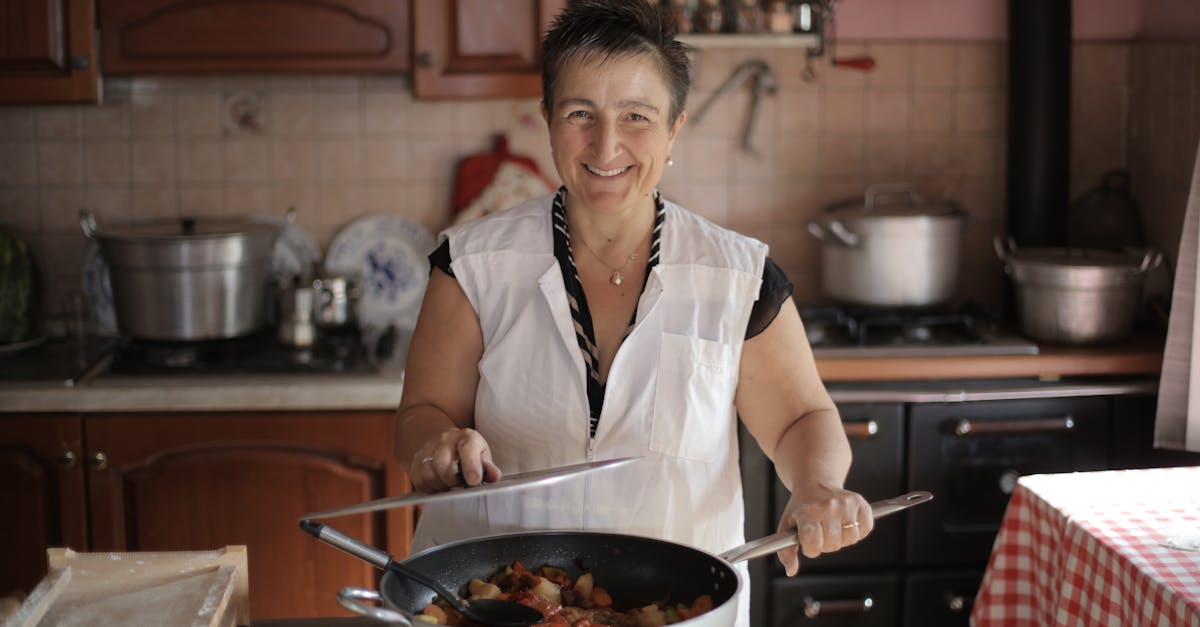 This photo was taken by Andrea Piacquadio on Pexels.