Coffee Culture Decoded: Understanding the Art of the Espresso Bar
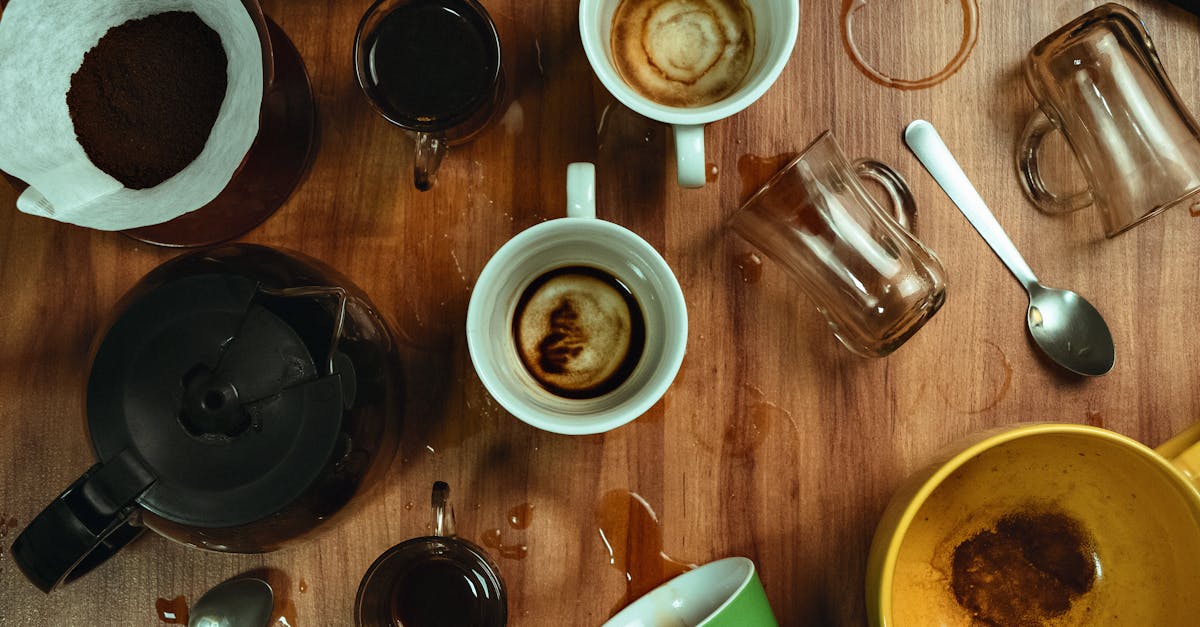 This photo was taken by Lucas Andrade on Pexels.
Benvenuti in Italia, where the morning ritual is far more than a caffeine fix; it is a vibrant dance of culture, history, and community that plays out daily at every corner espresso bar. For many visitors, stepping into these bustling hubs can feel like entering a secret society with its own unspoken language and strict etiquette. From the precise moment you approach the counter to the specific way you order your drink, every action tells a story about local traditions. In this guide, we will peel back the layers of Italian coffee culture, demystifying the sacred rules of ordering, decoding the seemingly endless menu from Macchiato to Cortado, and explaining why standing up at the bar isn't just a habit, but an essential part of the authentic experience. Get ready to sip your way through Italy like a true local.
This photo was taken by Lucas Andrade on Pexels.
Benvenuti in Italia, where the morning ritual is far more than a caffeine fix; it is a vibrant dance of culture, history, and community that plays out daily at every corner espresso bar. For many visitors, stepping into these bustling hubs can feel like entering a secret society with its own unspoken language and strict etiquette. From the precise moment you approach the counter to the specific way you order your drink, every action tells a story about local traditions. In this guide, we will peel back the layers of Italian coffee culture, demystifying the sacred rules of ordering, decoding the seemingly endless menu from Macchiato to Cortado, and explaining why standing up at the bar isn't just a habit, but an essential part of the authentic experience. Get ready to sip your way through Italy like a true local.
The Sacred Rules of Ordering at the Bar
In Italy, the bar is not merely a coffee shop but a bustling social hub where speed and etiquette reign supreme. When you step up to the counter, remember that standing at the bar (al banco) is significantly cheaper than sitting at a table, which incurs a substantial service charge; locals rarely linger over their morning cappuccino unless they are tourists seeking a leisurely seat. The ritual is swift: you order your espresso, pay immediately at the cashier using the small white ticket (scontrino), and then present it to the barista to receive your drink within seconds. Unlike in many other countries, asking for a "cappuccino" after 11 AM is considered a culinary faux pas, as Italians believe milk-heavy drinks hinder digestion later in the day, so stick to black coffees or tea once the sun has climbed high.
Furthermore, understanding the unwritten rules of payment and tipping is essential for navigating the authentic Italian experience. It is standard practice to tip nothing; a small coin left on the counter is appreciated but never expected, as the price listed includes all service costs. If you wish to say goodbye or thank the staff, a simple "grazie" with a smile is sufficient, and lingering too long after finishing your drink at the bar can be seen as impolite since turnover is key to keeping the line moving. Embrace this efficient rhythm, observe how quickly others move from ordering to sipping, and you will seamlessly blend into the daily cadence of Roman, Florentine, or Milanese life while enjoying the perfect shot of espresso.
 This photo was taken by Joshua Miranda on Pexels.
From Macchiato to Cortado: Decoding the Menu
Stepping into an Italian espresso bar can feel like entering a secret society where the menu is written in a language of its own, far removed from the sugary syrups and oversized cups found elsewhere. The journey begins with the iconic macchiato, a simple yet powerful "stained" coffee consisting of a single shot of espresso boldly marked with a dollop of steamed milk foam to soften the bite without drowning the flavor. This is distinct from the Americano or latte you might know; here, the focus remains strictly on the intensity of the bean, served swiftly at the counter to be consumed in one or two sips while standing, ensuring you appreciate the complex notes before they cool.Venturing further into the nuances, you will encounter the cortado, a beloved regional favorite that balances equal parts espresso and warm, lightly textured milk to cut through the acidity without adding unnecessary volume. Unlike the frothy lattes common abroad, an Italian cortado offers a silky, velvety texture that highlights the espresso's richness rather than masking it, making it the perfect mid-morning companion for locals who want a smoother sip but still crave the caffeine kick. Understanding these distinctions transforms your morning ritual from a mere caffeine fix into a cultural immersion, teaching you that in Italy, every cup tells a story of precision, tradition, and the art of slowing down.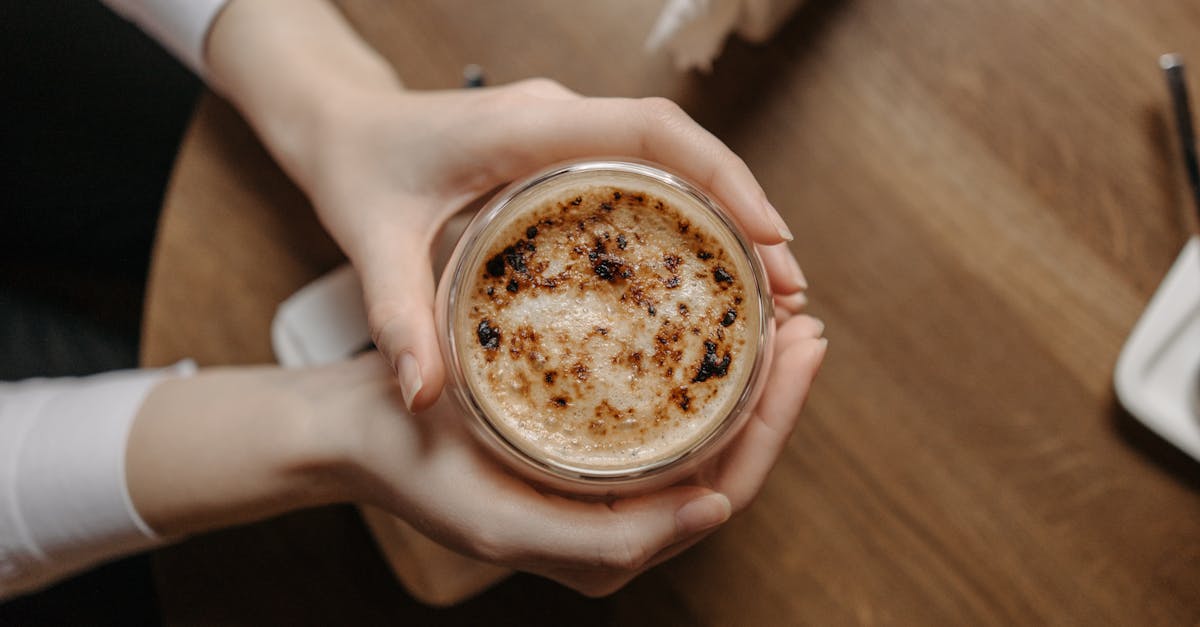 This photo was taken by Pavel Danilyuk on Pexels.
Why Standing Up is Part of the Ritual
In the bustling heart of an Italian espresso bar, the ritual is not merely about consuming a beverage but about embracing a fleeting moment of pause in a busy day. When you order a caffè, the unwritten rule is to stand at the counter, sipping your small, intense shot while engaging with locals or simply observing the rhythmic dance of the barista. This standing tradition stems from historical necessity and social design; counters were built for quick turnover, allowing everyone to enjoy their caffeine fix without occupying a table reserved for longer conversations or meals. By remaining upright, you participate in a communal experience where the espresso serves as a social lubricant rather than a solitary drink, fostering a unique sense of connection among strangers who share this brief, shared pause.Furthermore, standing up is deeply tied to the economic structure that makes Italian coffee culture so accessible. The price difference between a "al banco" (at the counter) and a "al tavolo" (at a table) can be significant, often doubling or tripling the cost once you claim a seat. This pricing model encourages the swift, energetic consumption typical of the morning rush, ensuring that tables remain available for those wishing to linger over breakfast or business meetings. As a visitor, choosing to stand is not just about saving money; it is an act of cultural immersion that signals respect for local customs and a willingness to adapt to the vibrant, fast-paced rhythm of Italian life, transforming a simple coffee break into an authentic slice of daily Roman or Milanese existence. This photo was taken by Rayhan Ahmed on Pexels.