Budget Travel Tips: How to See Italy Without Breaking the Bank
 This photo was taken by Pixabay on Pexels.
Welcome to the land of art, history, and unparalleled cuisine! Italy has long been considered a dream destination for travelers from around the globe, but many assume that experiencing its magic requires a deep pocket. As your local guide, I am here to prove that you can absolutely fall in love with this beautiful country without spending a fortune. Whether you are dreaming of savoring fresh pasta in Rome, wandering through the canals of Venice, or soaking up the sun on the Amalfi Coast, smart planning is the key to unlocking an authentic Italian adventure. In this post, we will dive into practical strategies for finding affordable eats away from tourist traps, discover hidden gems for budget-friendly stays, and share tips on how to navigate the stunning landscapes of Italy on a shoestring budget. Let's get ready to explore the Bel Paese like a savvy local!
Affordable Eats: Ditching Tourist Traps for Local Delights
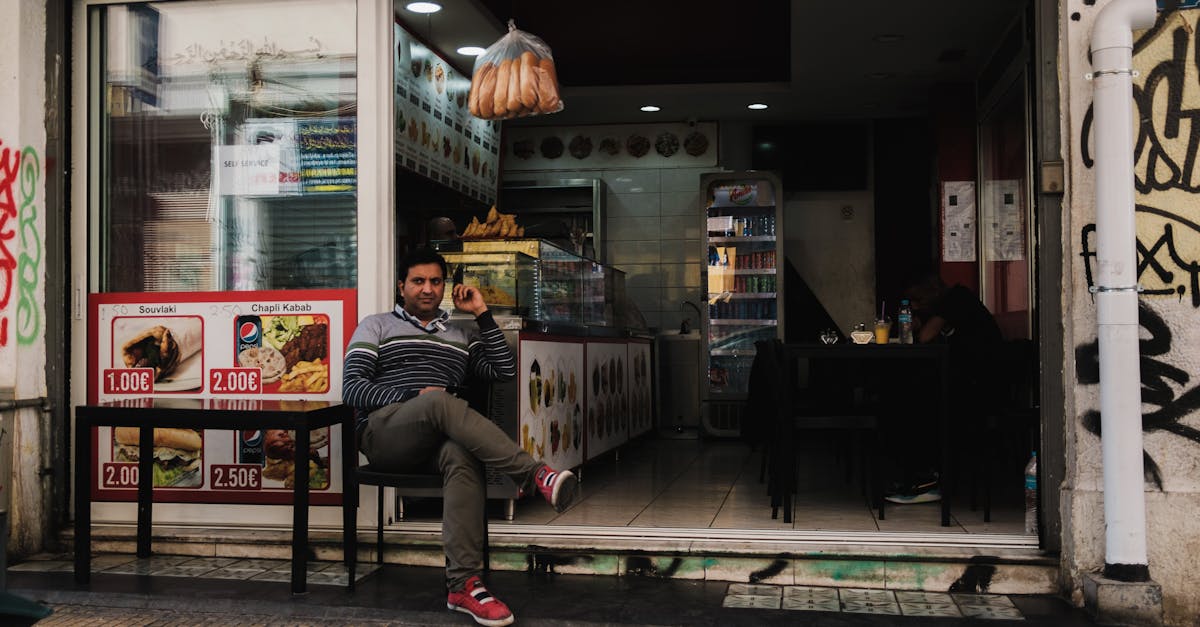
One of the quickest ways to drain your travel budget in Italy is by dining at restaurants with menus displayed in multiple languages outside major landmarks, where prices often skyrocket while the quality plummets. Instead, embrace the local tradition of al tavolo, or sitting at the bar counter for a quick espresso and pastry, which can cost less than half the price of a seated table service. Venture just a few blocks away from the Colosseum, the Duomo, or the Grand Canal to find bustling trattorias and osterie filled with locals; these family-run establishments serve authentic, hearty dishes like pasta carbonara or risotto at a fraction of the tourist trap costs, proving that the best flavors are rarely found on the main thoroughfares.
To truly experience Italian culinary culture without overspending, make lunch your main meal by seeking out daily specials known as menù del giorno, which typically offer a complete course including a primo, secondo, and drink for a fixed, affordable price. Embrace the art of street food, such as slicing fresh pizza al taglio in Rome, grabbing a crispy arancini in Sicily, or enjoying a panino con la milza in Florence, allowing you to graze through the city like a true resident rather than a hurried visitor. By prioritizing markets, bakeries, and neighborhood spots over glossy restaurant facades, you not only save money but also discover the genuine heart of Italian gastronomy, turning every meal into an authentic memory rather than just another expense.
 This photo was taken by Airam Dato-on on Pexels.
Smart Stays: Hidden Gems and Budget Accommodations
When planning your Italian adventure, look beyond the crowded historic centers where prices skyrocket; often, the most authentic experiences await in quieter neighborhoods just a short tram or metro ride away. Cities like Rome and Florence boast charming borgate or residential districts such as Testaccio in Rome or Oltrarno in Florence, where you can find cozy, family-run pensioni and boutique B&Bs that offer local hospitality at a fraction of the cost of luxury hotels. These hidden gems frequently feature communal kitchens and personal hosts who provide insider tips on avoiding tourist traps, allowing you to immerse yourself in daily Italian life while keeping your accommodation budget manageable.
Budget travelers should also consider embracing Italy's unique lodging culture by exploring agriturismos in the countryside or converting old monasteries into guesthouses in smaller towns. Staying outside major hubs not only drastically reduces nightly rates but also provides access to breathtaking landscapes and regional specialties that are often overlooked by mass tourism. By booking these accommodations during the shoulder seasons of spring and autumn, you can secure even better deals, ensuring that your savings from lodging translate directly into more days for gelato, wine tasting, and exploring ancient ruins without financial stress.
 This photo was taken by Jakub Zerdzicki on Pexels.
Getting Around Italy on a Shoestring
Exploring the boot-shaped peninsula doesn't have to drain your wallet, especially when you master the art of regional train travel. While high-speed Frecciarossa trains are efficient for connecting major cities like Rome, Florence, and Milan, they can be pricey if booked last minute; instead, opt for slower "Regionale" trains which offer a local experience at a fraction of the cost. These slower services stop in charming smaller towns that often get skipped by tourists, allowing you to discover hidden gems without the premium fare. Additionally, consider booking your tickets online in advance through Trenitalia or Italo to snag early-bird discounts, and don't forget to validate your paper tickets before boarding to avoid hefty fines.
Beyond trains, Italy's extensive bus network is a budget traveler's secret weapon, particularly for reaching coastal villages or mountain retreats not served by rail. Companies like FlixBus and Marino offer incredibly affordable fares that connect almost every corner of the country, from the Amalfi Coast to the Dolomites, often costing less than a cup of coffee compared to private transfers. For short distances within cities, walking is not only free but the best way to soak in the atmosphere, while city passes for public transit can save you money on multiple metro or tram rides. By mixing these transport modes with strategic planning, you can stretch your euros further and spend more time enjoying Italy's incredible food and history rather than worrying about logistics.
 This photo was taken by JESHOOTS.com on Pexels.