Beyond the Tourist Traps: Hidden Gems in Tuscany
 This photo was taken by Jean-Paul Wettstein on Pexels.
Welcome to the soul of Italy, where the golden light of Tuscany paints rolling hills in hues that cameras simply cannot capture. While everyone knows the postcard-perfect views of Florence and the bustling streets of Pisa, the true magic of this region lies just off the beaten path. In this guide, we invite you to trade the crowded main squares for quiet cobblestone lanes, discovering a Tuscany that feels both timeless and intimately yours. Join me as we explore the medieval enclaves of Val d'Orcia, uncork secrets in vineyards far from Chianti's throngs, and uncover the breathtaking art hidden within lesser-known churches in Siena. Let's step away from the tourist traps and into the heart of authentic Italian living.
Escape to the Medieval Enclaves of Val d'Orcia
Just a short drive south of the bustling streets of Siena lies Val d'Orcia, a landscape that feels suspended in time, where rolling hills draped in cypress trees create a living postcard of the Renaissance. Here, you can escape the crowded main squares to discover secluded medieval enclaves like Pienza, the "ideal city" commissioned by Pope Pius II, or the fortified village of Montalcino, renowned for its robust wines and panoramic views. Instead of rushing through the popular sites, take your time wandering the cobblestone alleys of San Quirico d'Orcia or getting lost in the vineyards surrounding Castiglione d'Orcia, where the golden light of late afternoon bathes the stone houses in a warm, timeless glow.
The true magic of this region unfolds when you venture off the beaten path to find hidden agriturismos nestled among ancient olive groves, offering authentic culinary experiences far removed from tourist traps. Imagine sipping a glass of Brunello di Montalcino on a terrace overlooking the valley as the sun sets behind the distinctive silhouette of Monte Amiata, while local farmers share stories of their ancestors who have cultivated this land for centuries. By choosing to explore these quiet hamlets and historic castles, you not only avoid the masses but also immerse yourself in the slow, deliberate rhythm of Tuscan life, discovering why Val d'Orcia remains the soulful heart of Italy's countryside.
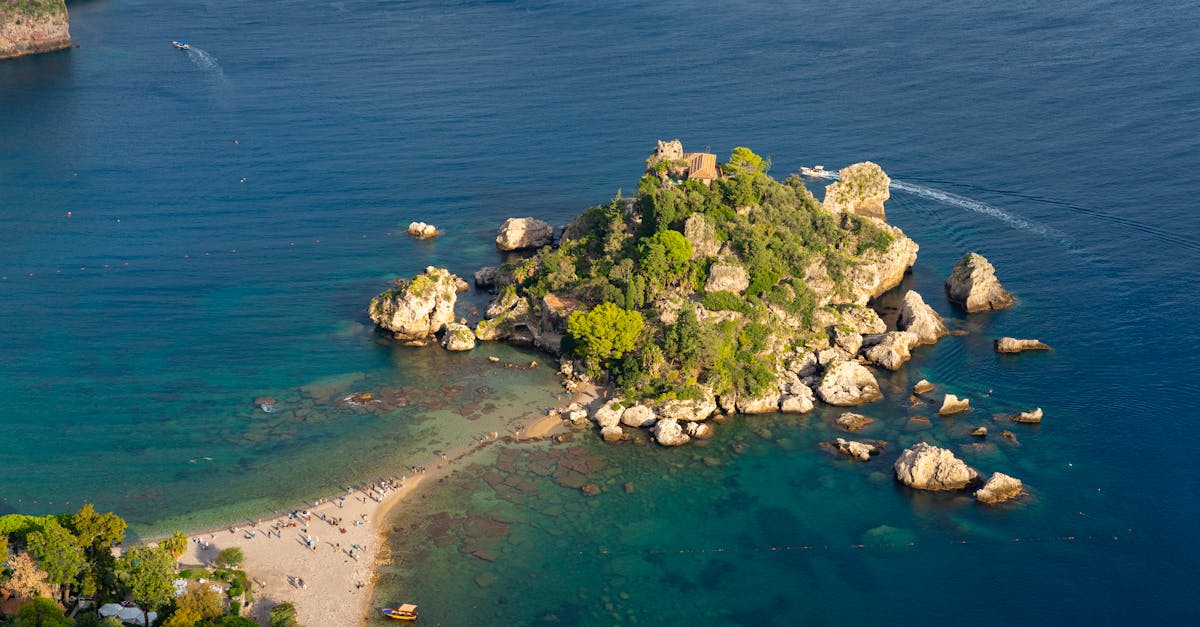 This photo was taken by Timo Volz on Pexels.
Savoring Secret Vineyards Away from Chianti's Crowds
While the sun-drenched hills of Chianti Classico draw millions with their iconic cypress-lined roads and bustling tasting rooms, true oenophiles know that the region's most exquisite wines are often found just a few winding kilometers off the main thoroughfares. Venture into the lesser-known Val d'Orcia foothills or the rugged slopes of Montalcino's northern rim, where small, family-run estates have preserved ancient winemaking traditions for generations without the commercial glare. Here, you will encounter intimate cellar doors where the proprietor pours a glass of aged Brunello or a crisp Vernaccia while sharing stories of harvests past, offering a sensory experience that feels less like a scheduled tour and more like a private invitation to an Italian home.
Exploring these hidden vineyards transforms your Tuscan journey from a passive sightseeing trip into an immersive cultural discovery, allowing you to taste the distinct terroir of micro-zones that remain largely untouched by mass tourism. In these secluded pockets of the countryside, you might stumble upon a centuries-old stone farmhouse converted into a boutique winery, complete with rustic picnic tables overlooking rolling olive groves and wildflower meadows. By stepping away from the well-trodden paths, you not only savor world-class wines in a serene atmosphere but also contribute directly to the local economy, supporting families who are dedicated to keeping the authentic spirit of Tuscany alive beyond the postcard images.
 This photo was taken by Eric Moura on Pexels.
Artistic Sanctuaries: Lesser-Known Churches in Siena
While the magnificent Duomo of Siena commands the city's skyline, the true soul of Tuscan spirituality often hides within its quieter, unassuming chapels. Venture away from the bustling Piazza del Campo to discover the Church of San Domenico, where a serene cloister offers a stark contrast to the crowded main squares, allowing visitors to witness exquisite frescoes by Taddeo di Bartolo without the crush of crowds. Similarly, the tiny Oratory of San Bernardino, nestled in a narrow alley, serves as a breathtaking example of Sienese Gothic architecture, its façade adorned with intricate marble mosaics that seem to glow in the soft afternoon light, inviting a moment of profound reflection amidst the historic stone streets.For those seeking an even deeper connection to the region's artistic heritage, the hidden gem of the Church of Santa Maria della Scala presents a narrative woven into the very fabric of medieval charity and devotion. Originally part of a vast hospital complex, this church houses a stunning collection of 14th-century paintings that capture the raw emotion and vibrant colors characteristic of the Sienese school, yet it remains largely overlooked by the average itinerary. Walking through these sacred spaces feels less like a tourist stop and more like stepping back in time, where the hushed whispers of pilgrims past mingle with the golden dust motes dancing in shafts of sunlight filtering through stained glass, offering a sanctuary for the mind and spirit that few travelers ever get to experience.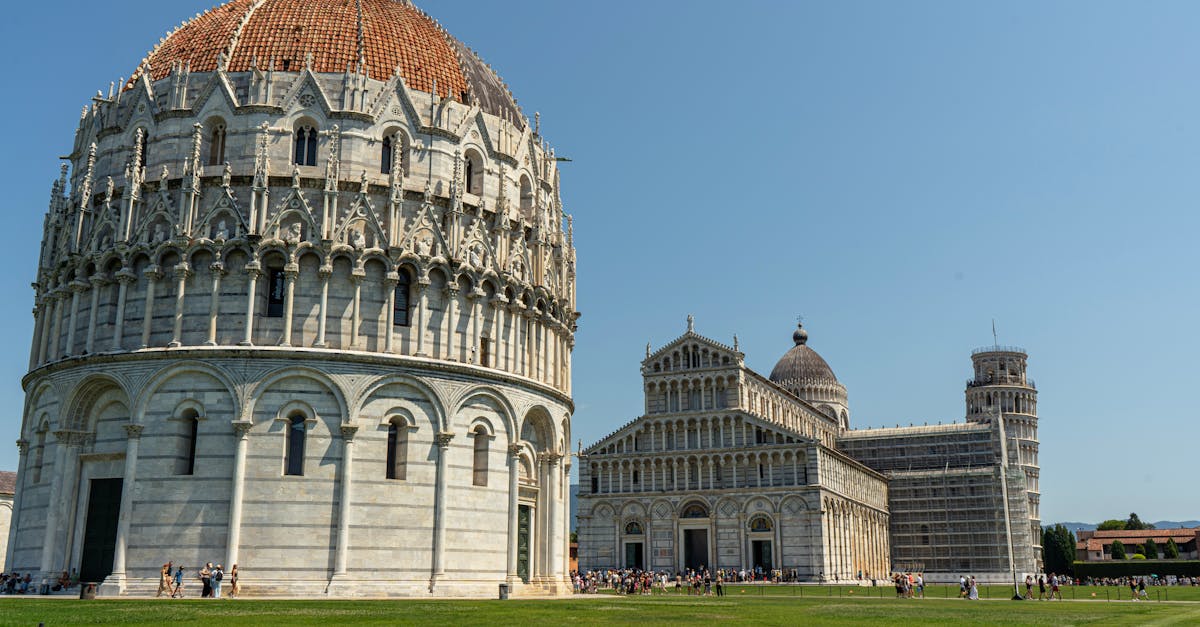 This photo was taken by WASSIM AHMED on Pexels.