Beyond the Colosseum: Uncovering Rome's Secret Neighborhoods
 This photo was taken by Erik Mclean on Pexels.
Welcome to the Eternal City, a place where history isn't just preserved in stone monuments but lives and breathes in its winding streets. While the Colosseum and the Roman Forum are undeniably magnificent, they represent only the tip of the iceberg for those willing to venture beyond the main tourist trail. In this post, we invite you to step off the beaten path and discover the soul of Rome through its most enchanting quarters. From the cobblestone lanes of Trastevere, where ancient echoes meet rustic charm, to the trendy boutiques and artistic vibe of Monti, the bohemian heartbeat of historic Rome, and finally to Testaccio, the authentic taste of Roman life found in its markets and trattorias. Let's explore the neighborhoods that tell the true story of this incredible city.
Trastevere: Where Ancient Echoes Meet Rustic Charm
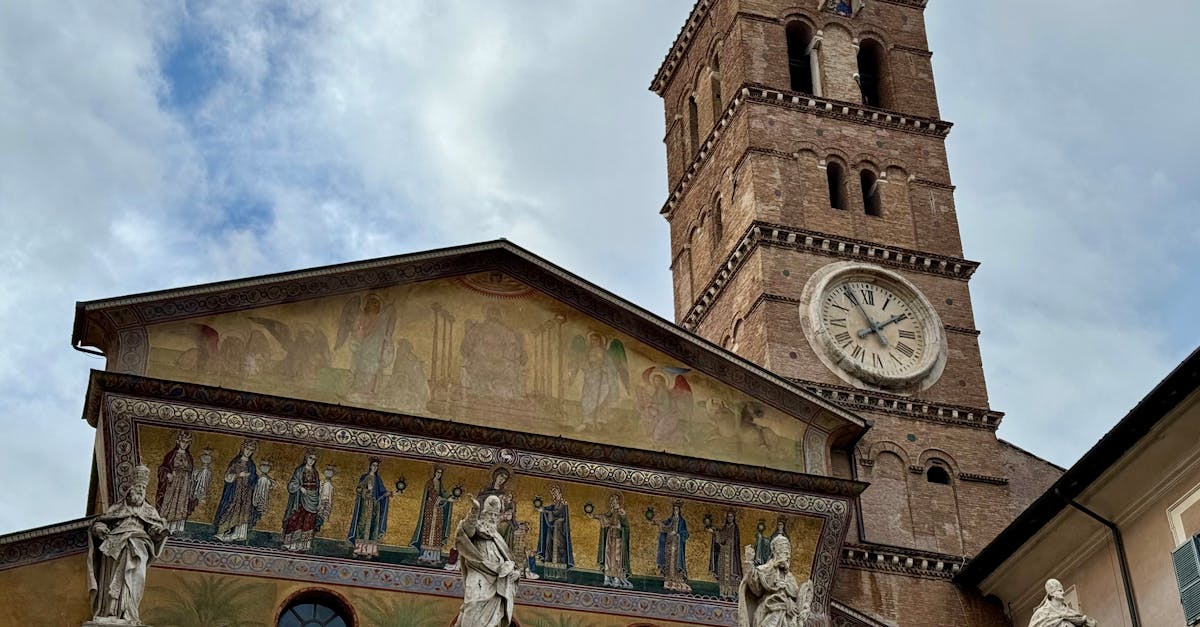
Wandering through the narrow, cobblestone alleys of Trastevere feels like stepping into a living postcard where the vibrant energy of modern Rome harmonizes with whispers from antiquity. Unlike the grand, polished thoroughfares near the Vatican or the bustling tourist traps surrounding the Colosseum, this neighborhood on the west bank of the Tiber preserves a rustic charm that has captivated artists and poets for centuries. Here, ancient Roman ruins are often hidden behind ivy-covered walls or tucked beneath charming cafes, creating a unique tapestry where history is not merely observed but lived daily by locals who still gather in the piazzas to play cards and share stories under the shade of chestnut trees.
The true magic of Trastevere unfolds as the sun sets, transforming the district into a sensory explosion of warm light and aromatic delights. The scent of fresh basil and garlic wafts from open windows above traditional trattorias, inviting you to indulge in homemade pasta dishes that taste of generations past. Whether you are strolling hand-in-hand along the banks of the river, listening to the gentle murmur of the Fontana di San Rocco, or getting lost in the labyrinthine streets searching for a hidden artisan shop, Trastevere offers an authentic slice of Roman life that remains delightfully untouched by the rush of mass tourism, making it the perfect sanctuary for those seeking the soul of the Eternal City.
 This photo was taken by Javid Huseynli on Pexels.
Monti: The Bohemian Heartbeat of Historic Rome
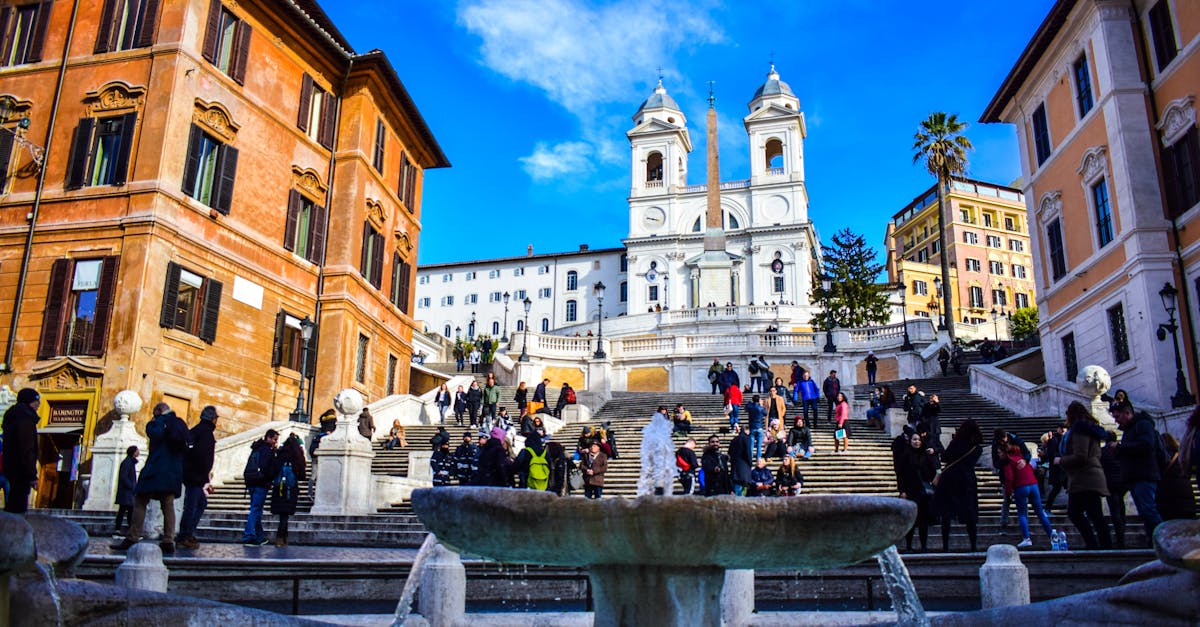
Nestled just a stone's throw from the bustling Termini Station, the Monti district offers a captivating contrast to Rome's grand imperial monuments, serving as the city's true bohemian heartbeat. Once home to ancient bakeries and medieval workshops, this historic quarter has evolved into a vibrant tapestry of narrow cobblestone streets lined with eclectic boutiques, artisan coffee roasters, and intimate wine bars that seem to whisper secrets of the past. As you wander through its winding alleys, you will discover hidden courtyards where laundry hangs like colorful flags against centuries-old facades, creating an atmosphere that feels both timeless and effortlessly chic, far removed from the tourist-heavy crowds found at the Colosseum.
What truly sets Monti apart is its unique ability to blend deep historical roots with a modern, creative spirit that invites exploration and discovery. The neighborhood comes alive in the evenings when locals gather around outdoor tables to enjoy aperitivo under the warm glow of streetlamps, while during the day, visitors can get lost in charming bookshops or find tranquility in the serene gardens of the Basilica of Santa Maria Maggiore. Whether you are sipping on a crisp local Vermentino or simply people-watching among the artists and dreamers who call this area home, Monti provides an authentic slice of Roman life that reveals the soul of the Eternal City beyond its most famous landmarks.
 This photo was taken by Natasa Dav on Pexels.
Testaccio: The Authentic Taste of Roman Life
Just south of the bustling Tiber River lies Testaccio, a neighborhood that feels worlds away from the polished marble of Rome's ancient center. Once the exclusive home of the city's meatpackers and fishmongers, this district retains a raw, industrial charm with its cobblestone streets winding past former slaughterhouses now repurposed into vibrant cultural hubs. The area is best known for Monte Testaccio, an artificial hill made entirely of broken terracotta amphorae, which stands as a silent testament to the volume of olive oil consumed by ancient Romans. Today, it serves as the beating heart of Roman culinary tradition, offering visitors a glimpse into the authentic, unpretentious side of the Eternal City where life moves at a slower, more communal pace.
Foodies flock to Testaccio not just for history, but for some of the most legendary dishes in Italy, particularly the iconic cacio e pepe and the rich, slow-cooked offal specialties like trippa alla romana. Unlike the tourist-heavy trattorias near the Pantheon, the local osterias here are filled with families and locals who have dined on these plates for generations, preserving recipes that date back centuries. After indulging in a hearty meal, you can explore the modern art galleries housed in old warehouses or relax in the serene Parco di Testaccio, a green oasis built over the ancient necropolis. This neighborhood truly embodies the spirit of "la dolce vita" without the crowds, inviting travelers to taste the real soul of Rome through its food, its people, and its enduring history.
This photo was taken by Erik Mclean on Pexels.