Beyond the Colosseum: Uncovering Rome's Secret Corners
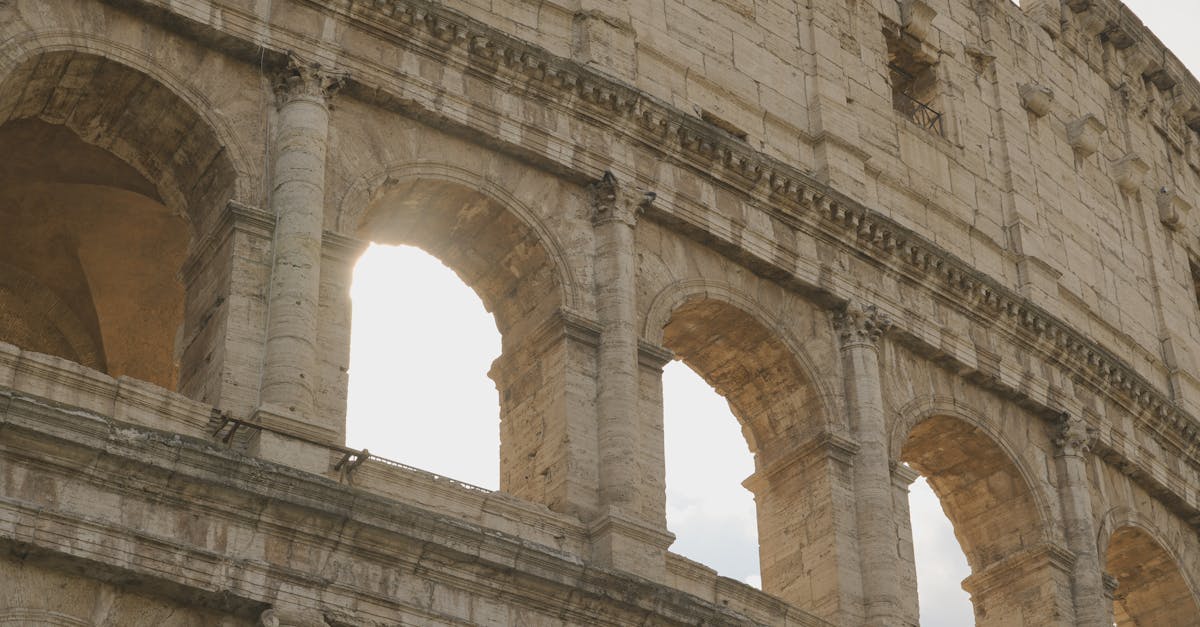 This photo was taken by Paul Scheelen on Pexels.
While the majestic shadow of the Colosseum and the grandeur of the Roman Forum often dominate our first impressions, Rome is a city that thrives on its secrets. Beyond the bustling tourist trails lies a labyrinth of quiet courtyards, ancient pathways, and subterranean mysteries waiting to be discovered by those willing to look deeper. In this journey, we will step away from the crowds to explore the lush, hidden gardens of Trastevere where time seems to stand still, wander along the historic Appian Way to find forgotten chapels steeped in centuries of silence, and descend into the eerie yet fascinating underground catacombs and crypts that tell stories of early Christianity. Join me as we uncover the true soul of Eternal City, one secret corner at a time.
The Hidden Gardens of Trastevere
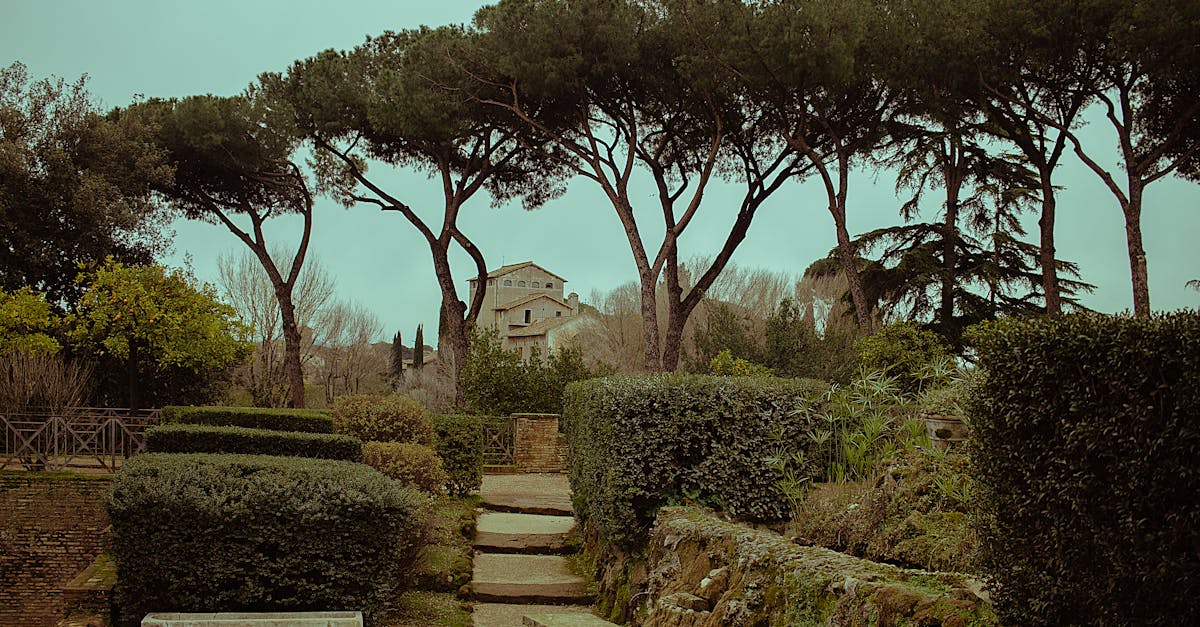
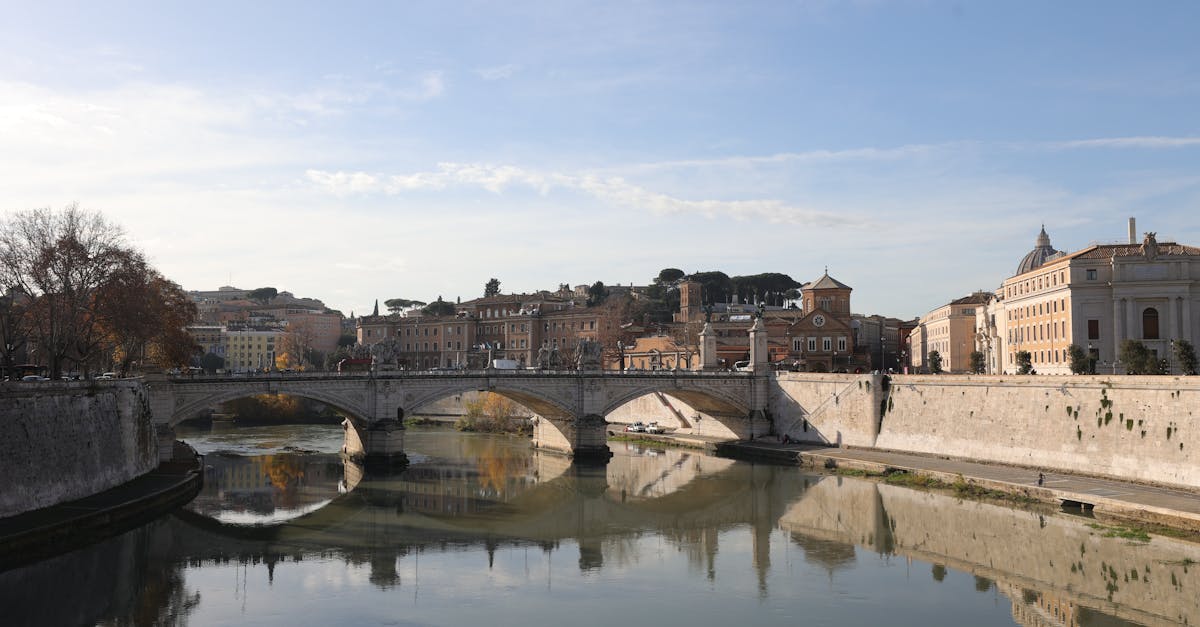
Just a stone's throw from the bustling crowds of Piazza di Santa Maria in Trastevere lies a network of secret gardens that offer a tranquil escape from the city's relentless energy. These verdant sanctuaries, often tucked behind unassuming iron gates or concealed within ancient courtyards, reveal themselves only to those willing to wander off the beaten path. Here, the air is thick with the scent of jasmine and lemon trees, while the chatter of tourists fades into the gentle rustling of cypress leaves and the distant murmur of the Tiber. It is in these quiet corners that you can truly feel the heartbeat of old Rome, where time seems to slow down amidst crumbling frescoes and overgrown fountains that have witnessed centuries of history.
Among these hidden gems, the gardens surrounding the Villa Farnesina stand out as a masterpiece of Renaissance design, yet they remain surprisingly underappreciated by the average visitor. Strolling through their manicured lawns and shaded pergolas feels like stepping into a painting, with vibrant flowers framing views of the river that shimmer in the afternoon light. For the adventurous traveler, exploring these lesser-known spaces offers a unique opportunity to connect with local life; you might catch glimpses of residents reading newspapers on weathered benches or children playing near moss-covered statues. By venturing into these secluded pockets of greenery, you discover that Rome is not just a monument to the past, but a living, breathing city where nature and history coexist in perfect harmony.
 This photo was taken by Lais Queiroz on Pexels.
Secret Chapels Along the Appian Way
While the bustling crowds flock to the Colosseum and the Roman Forum, a quiet miracle awaits just beyond the city walls along the ancient Appian Way, where time seems to have stood still within hidden chapels. These sacred spaces, often tucked away behind iron gates or accessible only through预约ed visits, offer a profound contrast to the grandeur of Rome's major monuments. The Chapel of St. Sebastian, for instance, lies directly beneath the Catacombs of San Sebastiano, a place where early Christians gathered in secret during times of persecution; here, the air is cool and heavy with history, illuminated by the soft glow of flickering candles that dance against walls adorned with frescoes dating back centuries.
Further down this "Queen of Roads," the Capella di Santa Maria della Vittoria stands as a testament to the spiritual resilience found in these secluded corners, offering visitors a moment of serene reflection far removed from the modern cacophony of the Eternal City. Walking the cypress-lined path, one can discover how these small sanctuaries served as vital waypoints for pilgrims and martyrs alike, preserving artifacts and prayers that might otherwise have been lost to history. A visit to these secret chapels provides an intimate glimpse into the soul of ancient Rome, inviting travelers to slow their pace and listen to the whispers of the past echoing through the stone corridors, creating an unforgettable connection with the city's deepest roots.
 This photo was taken by Neville Hawkins on Pexels.
Rome's Underground Catacombs and Crypts
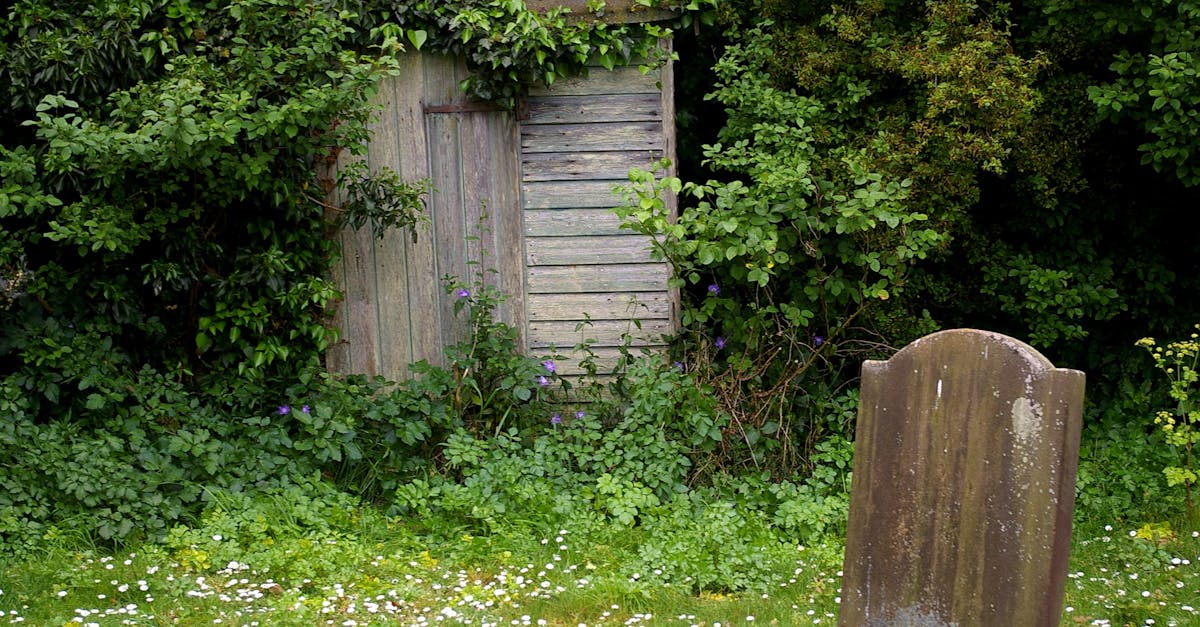
While the bustling streets above are dominated by ancient ruins and vibrant piazzas, a silent world of history lies just beneath your feet in Rome's extensive network of catacombs. These subterranean labyrinths, carved into the soft volcanic tuff along the ancient Appian Way, served as sacred burial grounds for early Christians and Jews from the 2nd to the 5th centuries, offering a stark contrast to the grandeur of the Colosseum. Walking through the narrow, dimly lit corridors lined with cubicula (burial niches) and adorned with poignant frescoes and symbols like the fish or the anchor, visitors can feel the profound spirituality that once permeated these spaces, transforming what was once a place of mourning into a testament to faith and resilience.
Beyond the well-trodden paths of the Catacomb of Callixtus, explorers will discover lesser-known crypts such as those at San Sebastiano or the hauntingly atmospheric Domitilla, each holding its own unique secrets and artistic treasures. These underground sanctuaries were not merely cemeteries but also sites of clandestine worship during times of persecution, where early believers gathered to celebrate the Eucharist in secrecy. Today, guided tours led by knowledgeable historians illuminate the complex rituals of Roman burial practices and the evolution of Christian iconography, providing an intimate glimpse into the lives of the people who shaped the spiritual foundation of the city, far removed from the noise of modern tourism.
 This photo was taken by Ludovic Delot on Pexels.