Beyond Rome: Discovering the Charm of Lesser-Known Towns
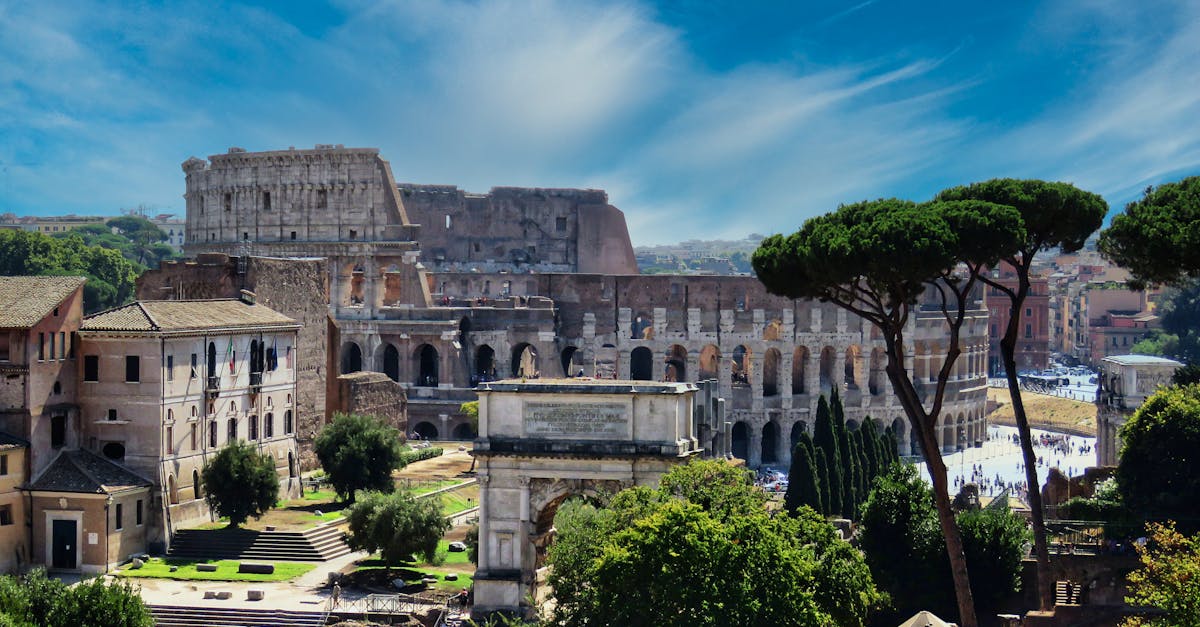 This photo was taken by Alberto Capparelli on Pexels.
While the eternal allure of Rome, with its ancient coliseums and vibrant piazzas, draws millions of visitors each year, Italy holds a treasure trove of quieter, more intimate experiences waiting to be discovered. Beyond the bustling capital lies a landscape where time seems to stand still in medieval hill towns, where the Mediterranean sun kisses shores untouched by mass tourism, and where the majestic peaks of the Alps whisper secrets to peaceful villages. In this journey, we invite you to step off the beaten path and explore the authentic soul of our country. From the rolling vineyards of Tuscany to the rugged beauty of Sicily's hidden coves and the serene heights of the Dolomites, prepare to fall in love with the lesser-known gems that make Italy truly unforgettable.
The Hidden Gems of Tuscany: A Journey Through Medieval Hill Towns
 This photo was taken by Matej on Pexels.
Sicily's Secret Coastline: Where Ancient Ruins Meet Pristine Beaches
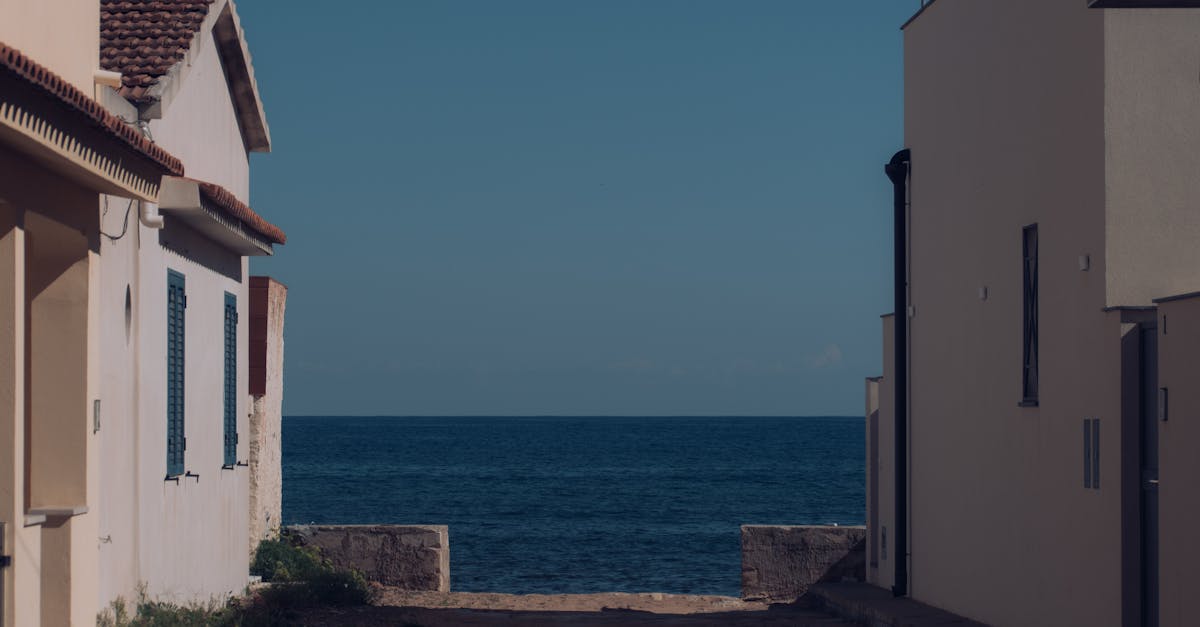
While the world flocks to the bustling streets of Rome and the grandeur of Florence, Sicily's hidden western coast offers a mesmerizing sanctuary where history whispers through the salt spray. Here, in towns like San Vito lo Capo and the secluded coves near Eraclea Minoa, you will find turquoise waters lapping against shores that have remained largely untouched by mass tourism. Imagine swimming in crystal-clear seas while ancient Greek temples stand as silent sentinels just steps away from your sunbed, their weathered columns casting long shadows over pristine sands that feel more like a private retreat than a public beach.
This unique convergence of archaeology and nature creates an atmosphere unlike any other in Italy, inviting travelers to explore not just the surface of the water but the layers of civilization beneath it. As the sun begins to set, painting the sky in hues of amber and violet, the contrast between the rugged, time-worn ruins and the soft, unspoiled coastline becomes even more striking. It is a place where you can spend your morning deciphering inscriptions on a 2,500-year-old temple and your afternoon diving into waters so clear they seem to suspend time itself, offering a truly authentic Italian experience far removed from the crowds.
 This photo was taken by Carla Canepa on Pexels.
The Dolomites' Quiet Villages: Alpine Charm Away from the Crowds
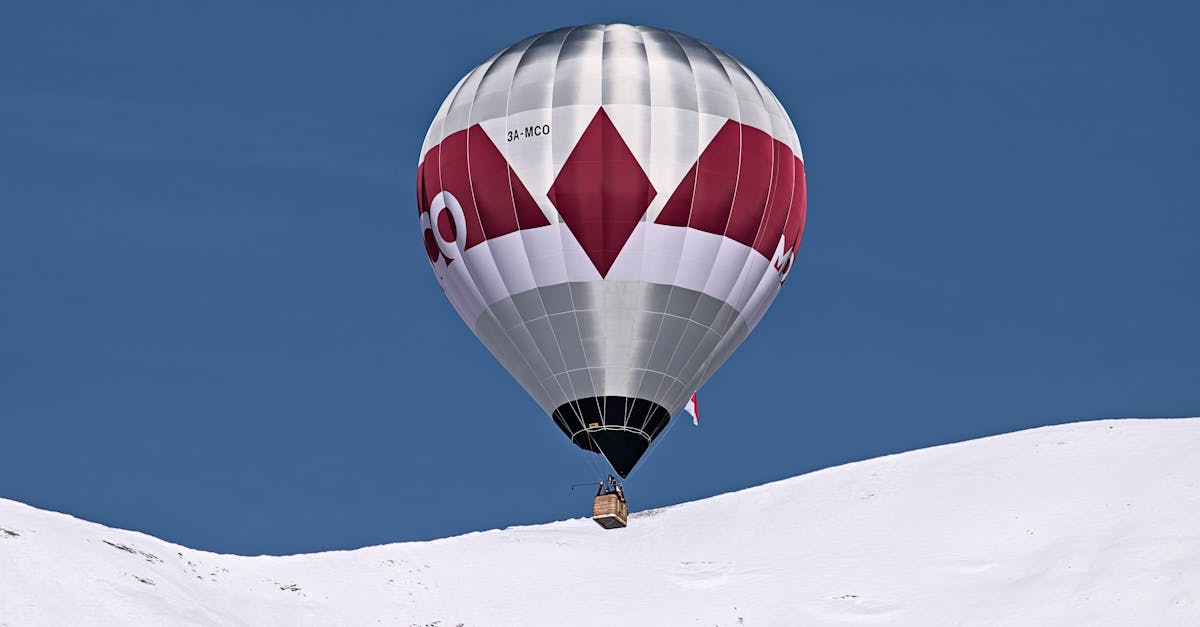
While the world flocks to the iconic peaks of Cortina d'Ampezzo, the true soul of the Dolomites reveals itself in the secluded hamlets nestled deep within the Val Gardena and Alta Badia valleys. Here, time seems to slow down, replaced by the gentle rhythm of cowbells echoing across meadows and the soft crunch of snow underfoot. Imagine waking up to a misty morning where the only sound is the distant murmur of an alpine stream, followed by a hearty breakfast of homemade speck and strudel served in a centuries-old stone farmhouse. These quiet villages offer an authentic immersion into Ladin culture, where ancient traditions are preserved not for tourists, but as a way of life, allowing visitors to experience the raw, unpolished beauty of the mountains without the noise of mass tourism.
Exploring these hidden gems invites you to wander cobblestone paths lined with vibrant geraniums that spill over wooden balconies, leading to small chapels adorned with intricate frescoes that have survived centuries of mountain winds. Unlike the bustling resort towns, these communities welcome guests with a genuine warmth, often inviting travelers to join local families for evening wine tastings featuring rare varietals grown at high altitudes. Whether you are hiking through silent forests during the day or stargazing from a terrace under a blanket of diamonds at night, the Dolomites' lesser-known villages provide a sanctuary of tranquility. It is here, far removed from the crowded lifts and souvenir shops, that one truly discovers the profound serenity and majestic grandeur of Italy's northern frontier.
 This photo was taken by Jean-Paul Wettstein on Pexels.