Beyond Rome: Discovering the Art of Tuscany
 This photo was taken by Brooke Lindsay on Pexels.
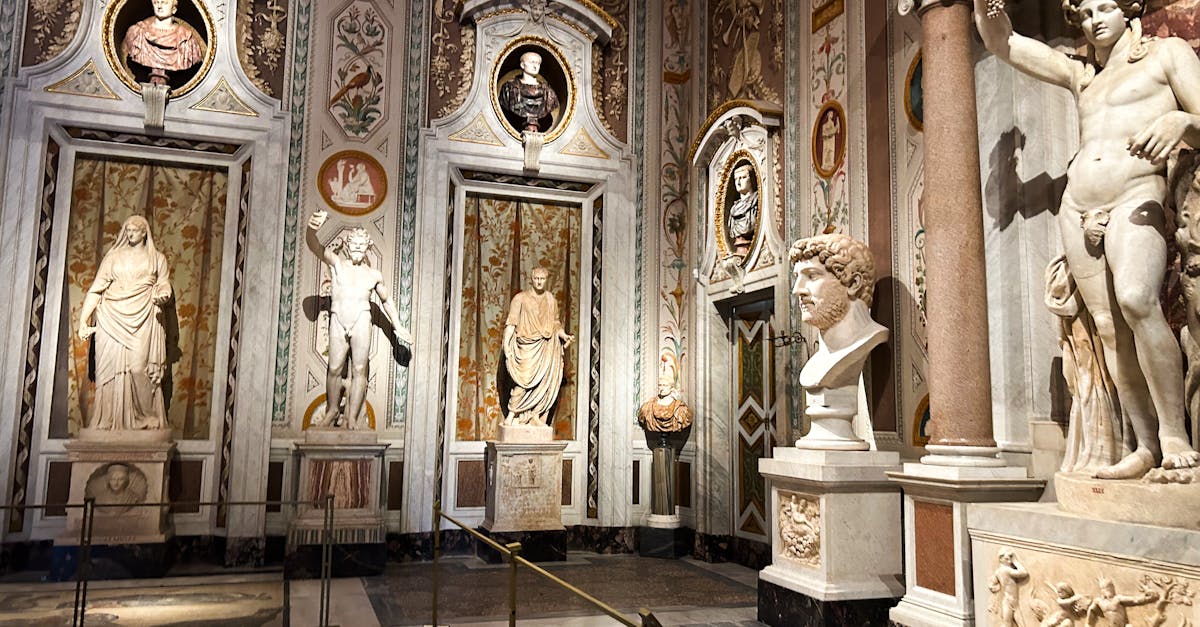
While the eternal grandeur of Rome often steals the spotlight, Italy's true soul whispers through the sun-drenched landscapes and cobblestone streets of Tuscany. This region is not merely a backdrop for wine tasting; it is an open-air museum where history breathes in every stone and brushstroke. From the towering bell towers of medieval towns to the Renaissance masterpieces that redefined humanism, our journey invites you to look beyond the capital and immerse yourself in a world where art and nature dance together in perfect harmony. Join me as we explore Florence's golden age, wander through the fortified beauty of Siena and San Gimignano, and discover how the rolling hills themselves hold their own unique artistic secrets.
Florence: The Cradle of the Renaissance
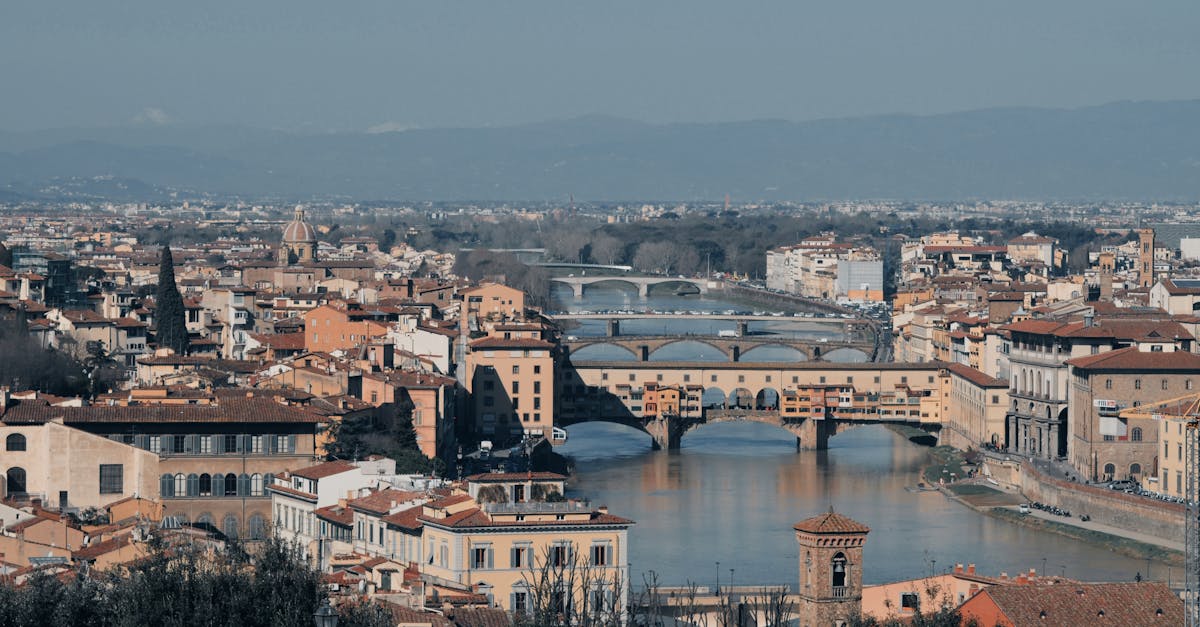
Stepping into Florence is like walking directly into a living museum where every cobblestone and fresco tells the story of humanity's artistic awakening. As the undisputed cradle of the Renaissance, this Tuscan gem invites you to marvel at Michelangelo's David in the Galleria dell'Accademia or lose yourself in the breathtaking dome of Brunelleschi that dominates the skyline. Whether you are wandering through the Uffizi Gallery to see Botticelli's "Birth of Venus" or simply soaking in the golden light of the Ponte Vecchio, the city pulses with an electric energy born from centuries of innovation, making it an essential pilgrimage for any art lover.
Beyond its world-famous masterpieces, Florence offers a rich tapestry of experiences that go far beyond the gallery walls. Imagine savoring a rustic bistecca alla fiorentina in a bustling piazza while listening to street musicians, or taking a leisurely stroll through the Boboli Gardens to escape the crowds. The city's intimate scale allows visitors to engage deeply with its history, from the grand palazzos of the Medici family to the quiet corners of local artisan workshops where traditional leatherworking and glassblowing still thrive. In Florence, the past is not just preserved; it is vibrantly alive, waiting to inspire your own journey through the heart of Tuscany.
 This photo was taken by Hub JACQU on Pexels.
Siena and San Gimignano: Medieval Masterpieces
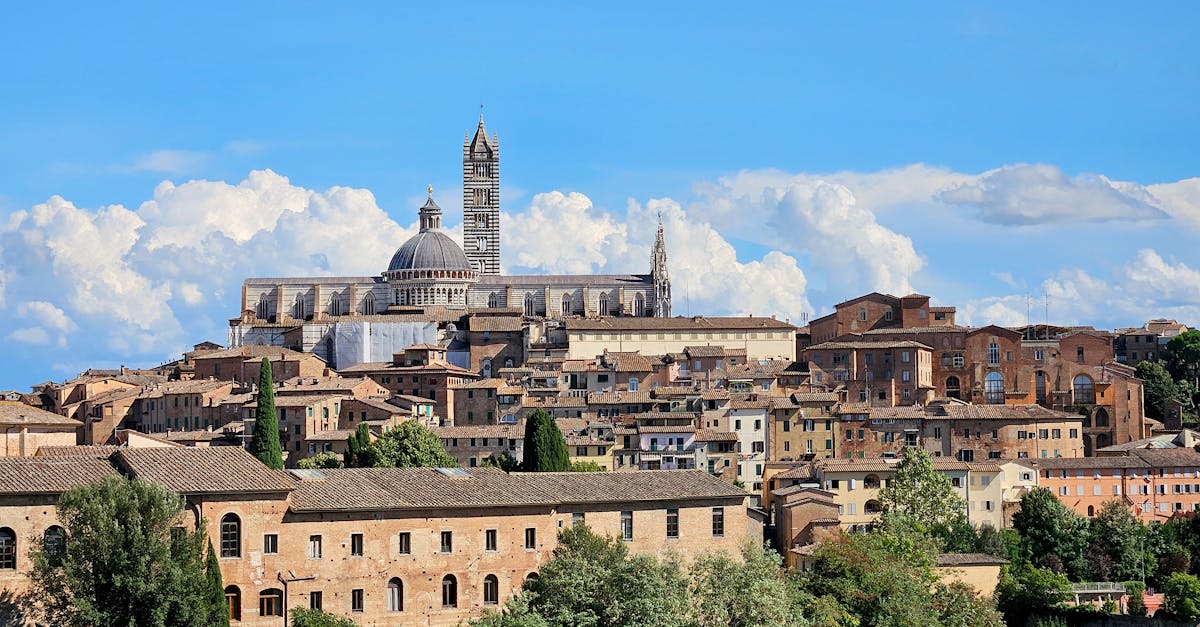
Just a short train ride from Florence lies Siena, a city that feels frozen in time, where the medieval spirit pulses through the very stones of its historic center. The iconic Piazza del Campo, with its distinctive shell shape and terracotta hues, serves as the heart of the city, hosting the thrilling Palio horse race and offering a glimpse into the fierce rivalries of the past. Visitors are drawn to the magnificent Gothic Cathedral, whose striped marble facade and intricate interior mosaics showcase a level of artistic devotion rarely seen elsewhere, while wandering the narrow, winding streets reveals hidden courtyards and the warm hospitality of locals who proudly preserve their unique traditions.
Further north, perched atop a hill surrounded by cypress trees, stands San Gimignano, often hailed as the "Medieval Manhattan" for its stunning skyline of well-preserved stone towers. Once a prosperous hub on the Via Francigena pilgrimage route, this UNESCO World Heritage site invites you to step back into the 13th century, where every corner offers a postcard-perfect view or a frescoed chapel waiting to be explored. After soaking in the atmospheric charm of the town square and the Collegiate Church, take a moment to savor a glass of local Vernaccia wine at a terrace overlooking the rolling Tuscan countryside, perfectly capping off a journey through the region's most enchanting historical treasures.
 This photo was taken by Christian S. on Pexels.
The Rolling Hills: Art in Every Vineyard
As you venture beyond the bustling streets of Rome, the landscape of Tuscany transforms into a living canvas where nature and human creativity dance in perfect harmony. Here, the rolling hills are not merely scenic backdrops but are dotted with centuries-old vineyards that serve as open-air galleries, each row of vines framing masterpieces of architecture and history. From the Renaissance palazzos nestled among the cypress trees to the rustic stone farmhouses that have stood guard over the land for generations, every corner whispers tales of artistic evolution. It is in this serene environment that visitors can truly appreciate how the region's wine culture has been cultivated alongside its art, creating a unique tapestry where the soil itself seems infused with the spirit of the masters.
A journey through these verdant slopes offers an immersive experience where the "art" extends far beyond traditional paintings and sculptures found in museums. In towns like Montalcino and Chianti Classico, the very act of winemaking is celebrated as a high art form, with family-run estates inviting guests to taste the terroir while exploring private collections of ancient frescoes and contemporary installations hidden within their cellars. The golden light of the Tuscan afternoon casts long shadows across the vineyards, highlighting the intricate stonework of medieval towers and the delicate brushstrokes of local artists who draw inspiration from the rhythmic undulation of the hills. Whether you are sipping a robust Brunello or wandering through a quiet courtyard adorned with terracotta pots, you are surrounded by an aesthetic that defines the soul of Italy, proving that true beauty here is found in the seamless blend of agriculture, history, and artistic expression.
 This photo was taken by Jean-Paul Wettstein on Pexels.