Best Time to Visit Italy: Avoiding Crowds and Finding Perfect Weather
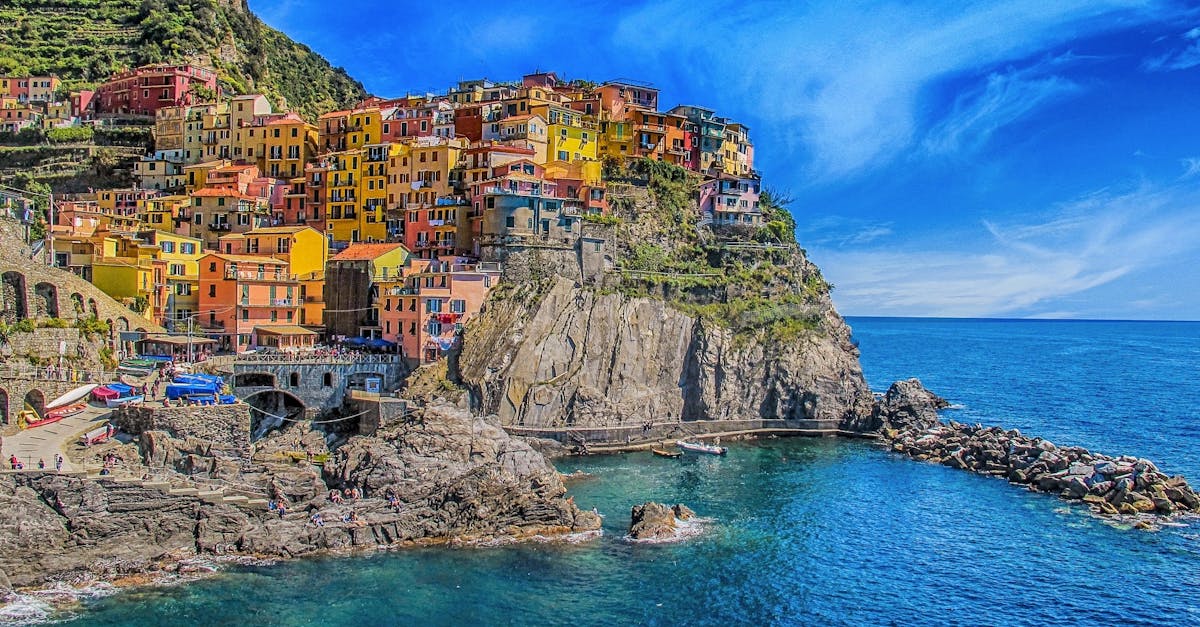 This photo was taken by Pixabay on Pexels.
Benvenuti! There is perhaps no country on Earth as captivating as Italy, where ancient history whispers from every cobblestone and the scent of fresh espresso mingles with the Mediterranean breeze. Yet, one of the most common questions I receive from travelers planning their dream trip is simple yet crucial: when should you go? The truth is, while Italy is a year-round destination, your experience can vary wildly depending on the season. Too often, visitors find themselves battling sweltering heat in August or navigating packed museums in peak summer, missing out on the authentic charm that defines our beautiful land. In this guide, we will unlock the secrets to timing your visit perfectly, helping you dodge the crowds while basking in ideal weather conditions. Whether you are looking for the golden tranquility of the shoulder seasons, seeking hidden retreats during the busy summer months, or dreaming of snow-capped Alps and festive markets in winter, join me as we explore the best times to discover the true soul of Italy.
Shoulder Season Secrets: When to Visit for Mild Weather and Fewer Tourists
Imagine strolling through the cobblestone streets of Rome or sipping espresso in Florence without battling a sea of tourists; this is the magic of Italy's shoulder seasons, typically found from mid-April to early June and September to mid-October. During these transitional months, the scorching summer heat gives way to gentle breezes that are perfect for long days of exploration, while the crisp autumn air offers a golden glow over the vineyards of Tuscany and the rolling hills of Umbria. You will find that hotel rates drop significantly compared to peak summer months, allowing you to upgrade your accommodation or enjoy more gourmet dining experiences without breaking the bank, all while local markets overflow with fresh spring produce or the first harvest of grapes and olives.
Beyond the comfort of mild weather and reduced crowds, visiting during these windows grants you access to authentic cultural rhythms that often disappear when mass tourism takes over. In April, the city parks burst into bloom with azaleas and tulips, creating a picturesque backdrop for photography, whereas September brings the excitement of the grape harvest festivals (sagre) where locals celebrate their traditions with music, food, and wine. Whether you are hiking the Cinque Terre trails or wandering the ancient ruins of Pompeii, the absence of overwhelming tour groups means you can truly immerse yourself in the history and atmosphere of each destination, making memories that feel personal rather than just another stop on a crowded itinerary.
 This photo was taken by Kindel Media on Pexels.
Escaping the Summer Surge: Hidden Gems in July and August
While July and August often conjure images of sweltering heat and packed piazzas, savvy travelers know that these months can still offer an authentic Italian experience if you venture off the beaten path. Instead of battling the masses in Rome's Colosseum or Venice's St. Mark's Square, consider retreating to the rugged coast of Calabria or the serene lakeside towns of Lombardy like Varenna, where the air is crisp and the crowds are sparse. The southern regions, such as Puglia and Sicily, come alive with vibrant local festivals and harvest preparations, allowing you to witness the true rhythm of Italian summer life without the suffocating pressure of peak season tourism.
To truly escape the summer surge, timing your visit for late August can reveal a magical transition as families begin their return journeys from vacation spots, leaving historic centers quieter and more accessible. During this period, the famous "Ferragosto" holiday sees many locals flocking to the countryside or small coastal villages, creating a unique opportunity for visitors to join in communal feasts and traditional games rather than observing from behind barriers. By embracing these lesser-known destinations, you not only avoid the oppressive queues but also enjoy comfortable evenings perfect for al fresco dining under starlit skies, proving that Italy's beauty remains undiminished even in the height of its busiest season.
 This photo was taken by Loic Van Montagu on Pexels.
Winter Wonders: Why December to February is Italy's Best-Kept Secret
While the rest of Europe braces for biting cold, Italy transforms into a magical winter wonderland where crisp air meets festive charm, making December through February the season's best-kept secret. During these months, the iconic landmarks of Rome, Florence, and Venice stand largely unobstructed by the summer throngs, allowing you to savor the grandeur of the Colosseum or the Uffizi Gallery in peaceful solitude. Beyond the historic sites, the country embraces its culinary soul with hearty stews, truffle-rich risottos, and mulled wine warming your hands as you wander through cobblestone streets adorned with twinkling lights and nativity scenes that date back centuries.
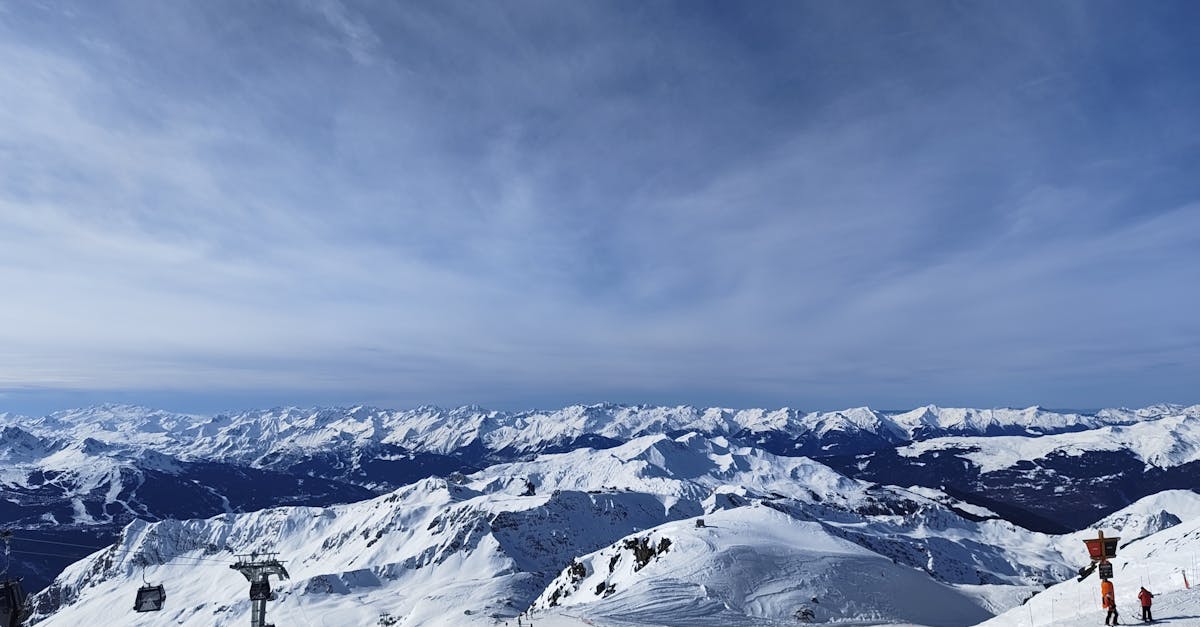
Furthermore, this period offers a unique climate advantage, particularly in the north and central regions, where temperatures are mild enough for comfortable exploration without the oppressive heat of July and August. The Dolomites and the Italian Alps become a paradise for skiers and snowshoers, while the southern coasts like Sicily and Puglia remain surprisingly temperate, perfect for coastal walks and discovering authentic local life away from the tourist bubble. By visiting during this off-peak window, travelers not only secure significantly better rates on accommodation and flights but also experience a more intimate, authentic connection with Italian culture that is often lost amidst the summer crowds.
 This photo was taken by Erik Mclean on Pexels.