Art and History: Exploring the Renaissance Masterpieces of Florence
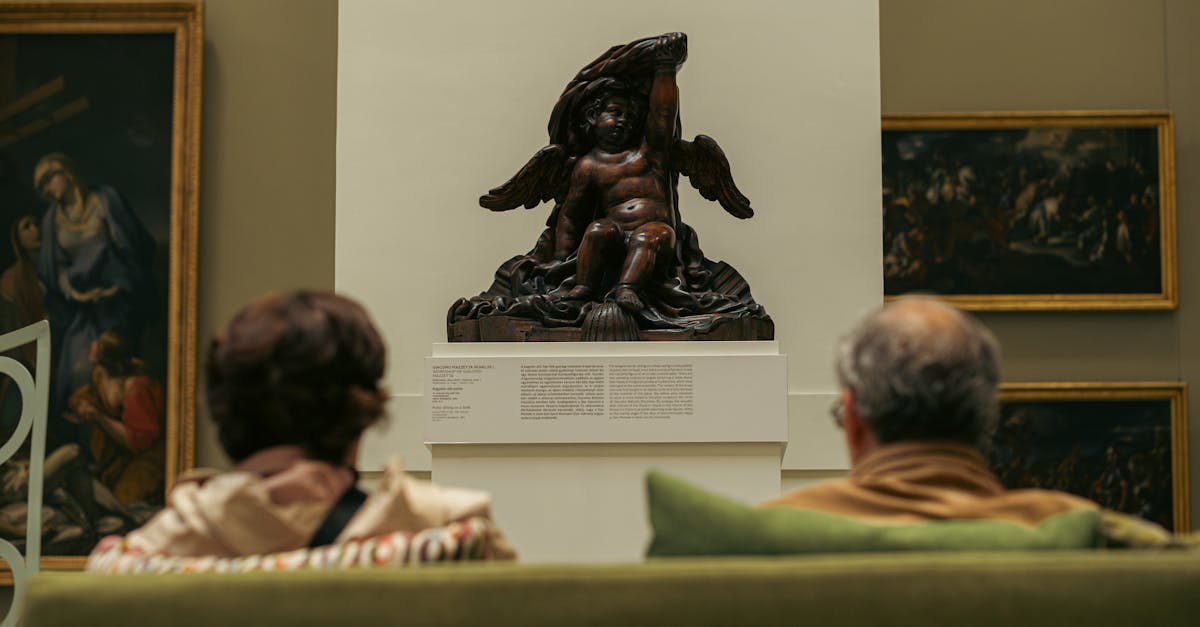 This photo was taken by Talha Kılıç on Pexels.
Welcome, travelers, to the cradle of the Renaissance! As your local guide, I am thrilled to invite you on a journey through Florence, a city where every cobblestone whispers tales of genius and every masterpiece breathes life into history. In this post, we will immerse ourselves in an unforgettable exploration of art and history, starting with a stroll through the Uffizi Gallery to walk in the footsteps of Leonardo da Vinci. We will then marvel at Michelangelo's David at the Accademia, discovering the raw power of sculpture, before concluding our adventure beneath the breathtaking dome of the Duomo—a true marvel of engineering and faith that defines the Florentine skyline. Get ready to experience the magic that made this city the heart of the world.
Walking in the Footsteps of Da Vinci: The Uffizi Gallery
Stepping into the Uffizi Gallery is akin to walking directly into the vibrant mind of Leonardo da Vinci, where the very air seems charged with the creative energy of the Renaissance. As you wander through its long, vaulted corridors lined with masterpieces, you will encounter works that defined an era, from Botticelli's ethereal "Birth of Venus" to the enigmatic gaze of Leonardo's unfinished "Adoration of the Magi." This iconic palace, once the administrative heart of Tuscany, now serves as a timeless bridge connecting visitors to the genius of the past, inviting you to trace the intricate brushstrokes and anatomical studies that revolutionized art history.
To truly honor Da Vinci's legacy here, take your time to observe how his scientific curiosity permeates the paintings surrounding him, influencing a generation of artists who sought to capture the human spirit with unprecedented realism. While the gallery houses thousands of treasures, dedicating a moment to the room dedicated to Leonardo allows you to appreciate his unique blend of observation and imagination, which remains as relevant today as it was five centuries ago. Whether you are admiring the subtle sfumato technique or simply soaking in the grandeur of Florence's artistic heritage, this journey through the Uffizi offers an unforgettable immersion into the golden age of Italian culture.
 This photo was taken by Anastasia Shuraeva on Pexels.
Michelangelo's David and the Power of Sculpture at the Accademia
Upon entering the grand hall of the Accademia Gallery, you are immediately struck by the sheer magnitude and perfection of Michelangelo's David, a marble colossus that stands as the ultimate testament to Renaissance humanism. Carved from a single block of Carrara marble that had been abandoned by previous artists for its flaws, this 17-foot masterpiece captures the biblical hero in a moment of tense anticipation before his battle with Goliath, embodying the Florentine Republic's spirit of resilience and civic pride. As you walk around the sculpture, notice how the artist masterfully manipulated the stone to create a sense of movement and life; the bulging veins, the intense gaze, and the twisted contrapposto stance reveal not just physical strength, but a profound psychological depth that has captivated visitors for centuries.Beyond the awe-inspiring presence of David, the Accademia offers a unique window into the power of sculpture as an art form during the Italian Renaissance. The gallery houses other significant works by Michelangelo, including his unfinished "Prisoners" or "Slaves," which illustrate his revolutionary technique of non-finito, where figures appear to be struggling to emerge from the raw stone itself. These pieces demonstrate how sculptors of the era viewed their craft not merely as carving, but as a spiritual act of liberation, freeing the ideal form trapped within nature. Walking through these halls allows you to trace the evolution of artistic vision, understanding how Florence became the cradle of a new age where art was celebrated as the highest expression of human potential and divine creativity.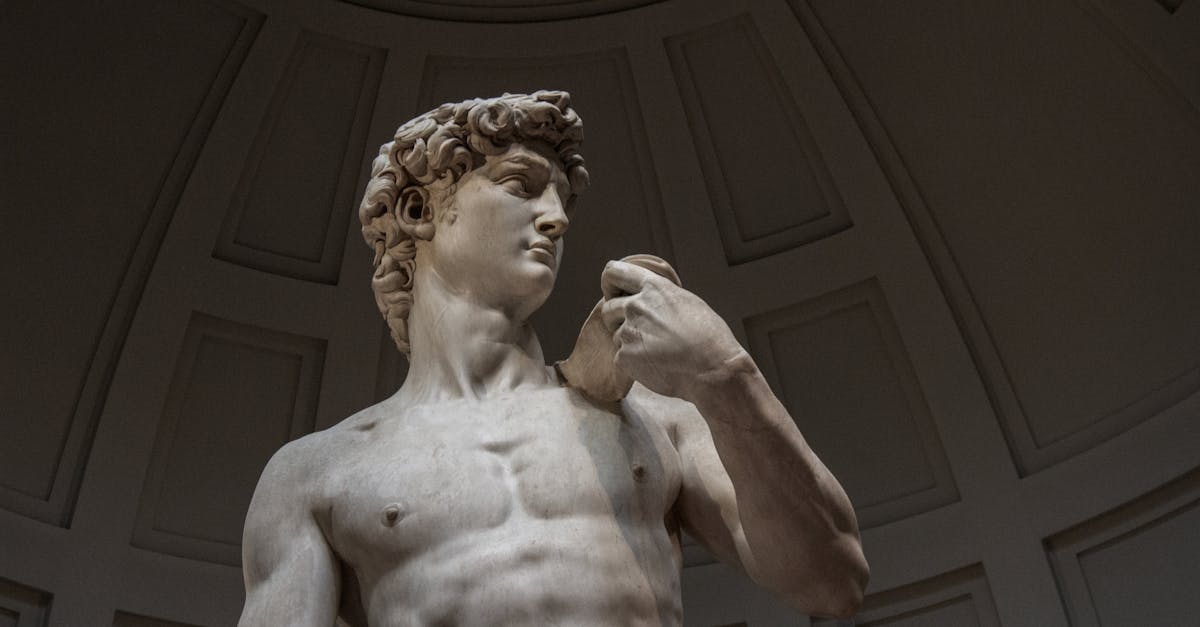 This photo was taken by Astghik Vardanyan on Pexels.
The Duomo's Dome: A Marvel of Engineering and Faith
Ascending the 463 steps of Brunelleschi's magnificent dome offers more than just a panoramic view of Florence; it grants you a front-row seat to one of history's most audacious engineering feats. Completed in the 15th century, this massive brick structure defied the architectural limitations of its time by being built without traditional wooden centering, a revolutionary technique that still baffles engineers today. As you climb the narrow spiral staircases within the thick walls, you are tracing the very path of Filippo Brunelleschi himself, whose genius transformed the cathedral from a mere religious site into a symbol of human ingenuity and Renaissance ambition.
Beyond its structural brilliance, the interior of the dome is a breathtaking testament to faith, adorned with Giorgio Vasari and Federico Zuccari's colossal fresco, "The Last Judgment." This immersive artwork, which covers an area of over 3,600 square meters, envelops visitors in a sea of swirling figures and divine light, creating an overwhelming sense of spiritual awe. Standing beneath this masterpiece, surrounded by the golden hues of the frescoes against the deep blue sky, one cannot help but feel the profound connection between the artistic splendor of the Renaissance and the unwavering devotion that drove its creation, making every step up a journey through both history and the heavens.
 This photo was taken by Jean-Paul Wettstein on Pexels.