Art Lover's Paradise: Masterpieces You Must See in Florence
 This photo was taken by Talha Kılıç on Pexels.
Welcome to Florence, the cradle of the Renaissance and a city where every cobblestone seems to whisper tales of genius. As your guide through this open-air museum, I invite you to step into an Art Lover's Paradise, where history breathes through marble and oil paint alike. In this journey, we will stand in awe before Michelangelo's David at the Accademia Gallery, marveling at the divine proportions that defined an era. We will then wander through the Uffizi to witness Botticelli's ethereal Birth of Venus, capturing the very essence of beauty, before concluding our spiritual journey among the radiant golden altarpieces of Santa Maria Novella. Get ready to immerse yourself in masterpieces that have inspired generations.
The Divine Renaissance: Michelangelo's David and the Accademia Gallery
The Divine Renaissance: Michelangelo's David and the Accademia Gallery
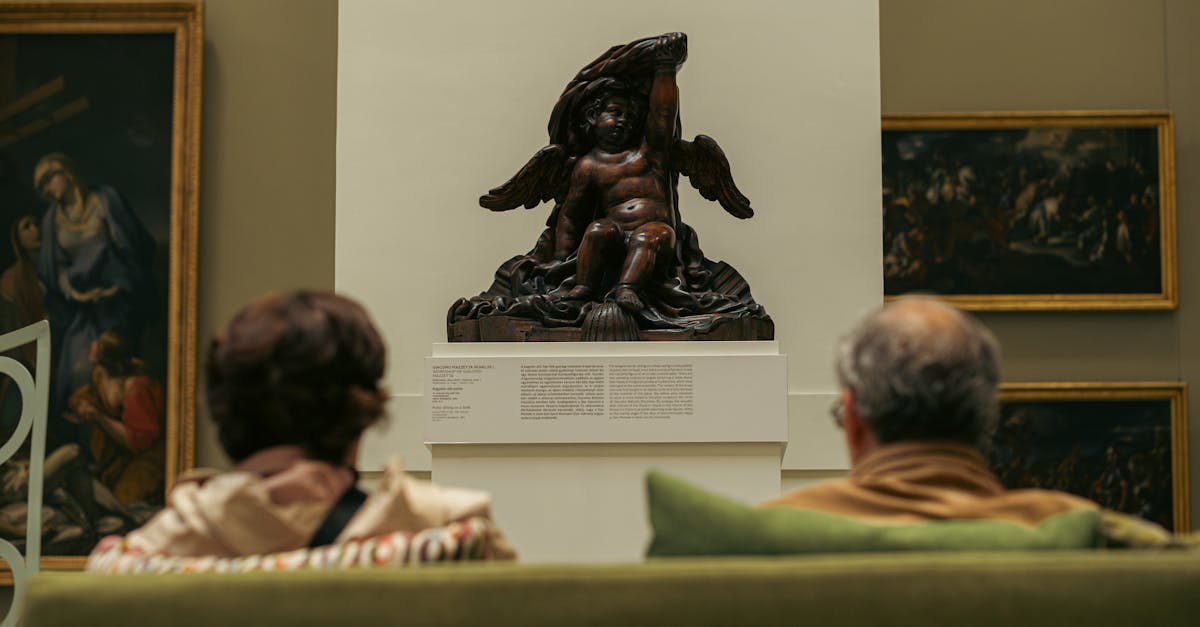
Stepping into the Galleria dell'Accademia is akin to entering a sacred temple of human potential, where Michelangelo's David stands as the undisputed heart of the collection. Carved from a single block of Carrara marble that had been abandoned by previous sculptors, this 17-foot masterpiece captures the biblical hero in a moment of tense anticipation before his battle with Goliath, showcasing an anatomical precision and emotional intensity that redefined art history. Unlike the bronze versions found elsewhere, Michelangelo's original here remains in its original location, allowing you to marvel at the delicate veins in his neck and the intense gaze that seems to pierce through time itself, offering an intimate connection to the genius of the High Renaissance.
Beyond the towering giant, the gallery houses a treasure trove of "unfinished" sculptures known as the Prisoners or Slaves, which provide a fascinating glimpse into Michelangelo's creative process and his belief that the figure was already trapped within the stone, waiting to be liberated. These works, alongside other significant pieces by artists like Vasari and Pontormo, create a narrative of artistic evolution that defines Florence's cultural identity. As you wander through these hallowed halls, you are not merely observing static objects but witnessing the very spirit of the Renaissance come alive, making this visit an essential pilgrimage for anyone seeking to understand the pinnacle of Italian artistic achievement.
 This photo was taken by Erik Mclean on Pexels.
Sistine Moments: Botticelli's Birth of Venus at the Uffizi
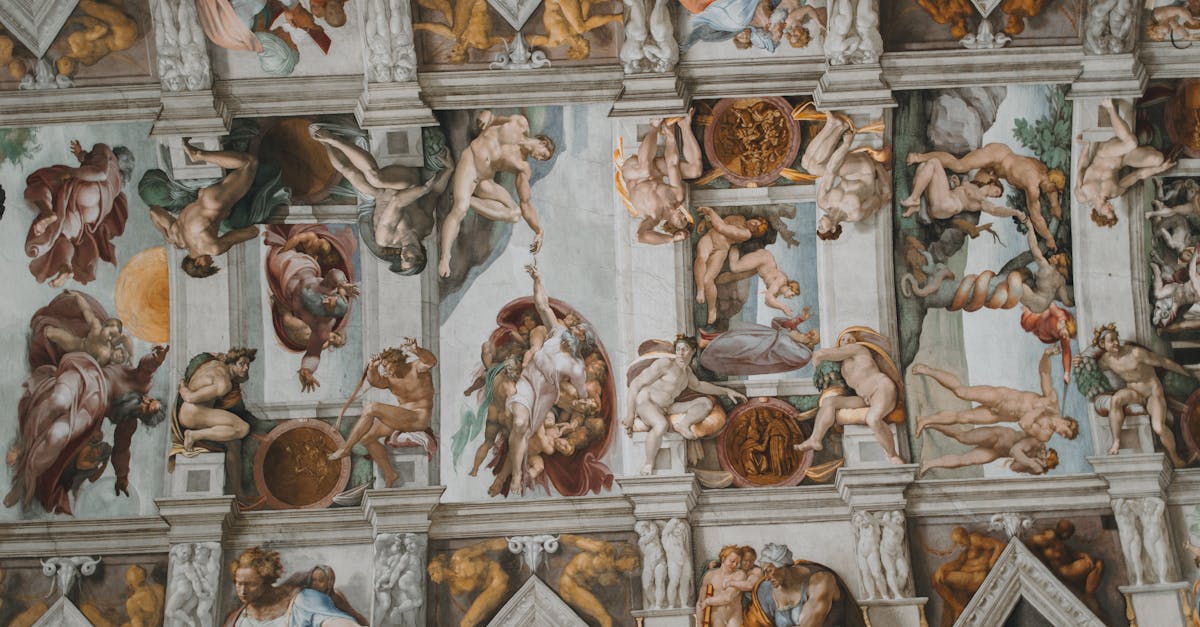
While the Sistine Chapel in Rome often steals the spotlight, true connoisseurs know that Florence's Uffizi Gallery houses a masterpiece of comparable mythological grandeur: Botticelli's "Birth of Venus." Stepping into the gallery to stand before this iconic Renaissance work feels like stepping back into the 15th century, where the delicate lines and ethereal colors capture the exact moment the goddess emerges from the sea foam. As you gaze upon her serene expression and the wind-blown drapery of Zephyr and Chloris, you will understand why this painting remains the crown jewel of the museum, embodying the Neoplatonic ideals of beauty and divine love that defined the Medici era.
To fully appreciate these "Sistine Moments" without the overwhelming crowds, I recommend visiting early in the morning or during the quieter late-afternoon hours when the soft Tuscan light filters through the gallery windows. Although the piece is technically by Sandro Botticelli rather than Michelangelo (who painted the Sistine Chapel ceiling), the emotional resonance it offers rivals any scene in the Vatican. Allow yourself a few quiet minutes to study the subtle details, from the flowing golden hair to the symbolic rose petals scattered at her feet, ensuring your visit to the Uffizi leaves you with a profound sense of wonder that only the masterpieces of Florence can provide.
 This photo was taken by Alina Rossoshanska on Pexels.
A Spiritual Journey: The Golden Altarpieces of Santa Maria Novella
 This photo was taken by Vintage Lenses on Pexels.