Art History 101: Masterpieces You Can't Miss in Italy
 This photo was taken by Josh Withers on Pexels.
The Renaissance Giants: Michelangelo, Da Vinci, and Raphael
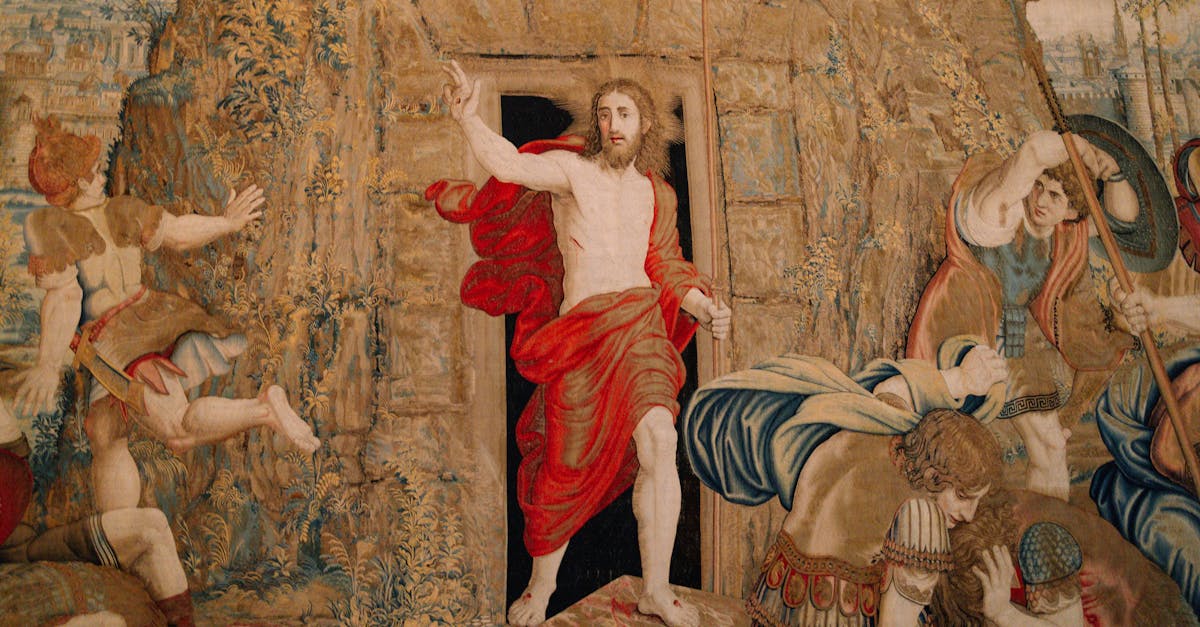
Stepping into the cradle of the Renaissance, you are immediately enveloped by the genius of three titans whose names define an era: Michelangelo, Leonardo da Vinci, and Raphael. In Florence, the Duomo's dome still echoes with Michelangelo's architectural vision, while his David stands as a monumental testament to human potential in the Accademia Gallery. Just across the border in Milan, Da Vinci's The Last Supper invites you to witness the master's psychological depth, frozen in time within the refectory of Santa Maria delle Grazie. These artists did not merely paint or sculpt; they revolutionized our understanding of perspective, anatomy, and emotion, turning stone and canvas into living narratives that continue to captivate visitors from around the globe.
To truly appreciate their legacy, one must explore the Vatican Museums in Rome, where Raphael's School of Athens dominates the Stanze with its harmonious composition and philosophical grandeur, serving as the perfect counterpoint to Michelangelo's breathtaking Sistine Chapel ceiling nearby. Walking through these spaces feels less like a museum visit and more like a pilgrimage through the mind of history's greatest creative forces. Whether you are tracing the sfumato technique of Leonardo or marveling at the dynamic musculature of Michelangelo's prophets, these masterpieces offer an immersive journey into the heart of Italy's cultural renaissance, proving that art remains the most enduring language of the human spirit.
 This photo was taken by Caique Araujo on Pexels.
Ancient Wonders: From the Colosseum to Pompeii
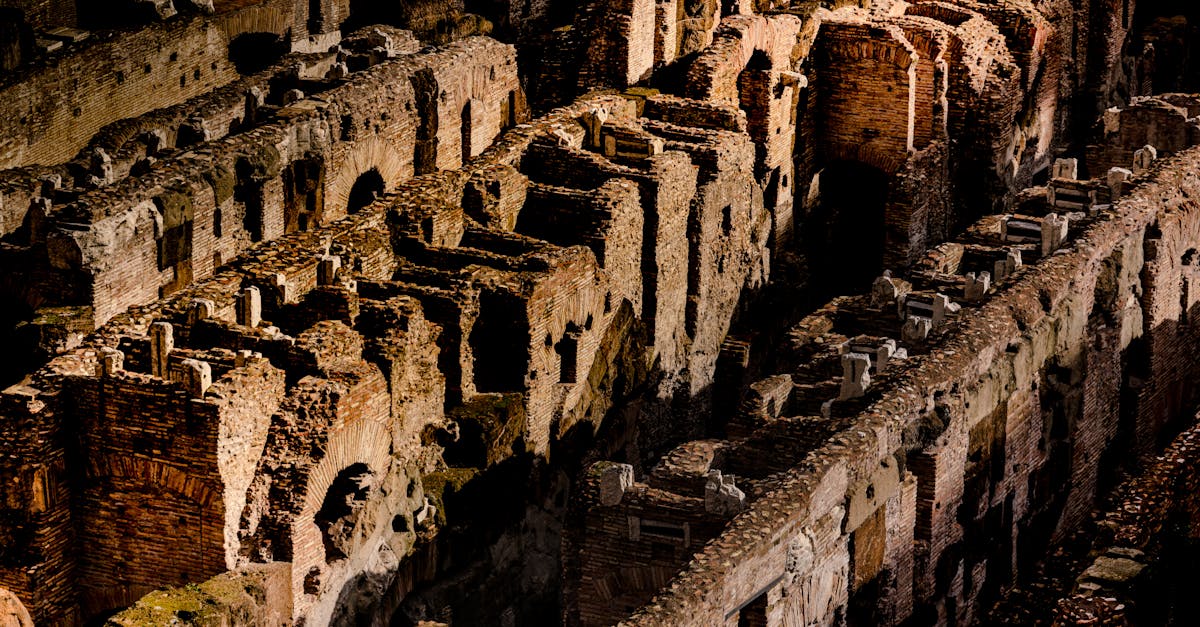
Journey back to the heart of the Roman Empire, where the Colosseum stands as a monumental testament to engineering prowess and ancient spectacle. Walking through its weathered arches, you can almost hear the roar of fifty thousand spectators who once gathered here for gladiatorial combat and naval battles, a visceral reminder of Rome's grandeur. Just beyond the capital, the frozen moment of time at Pompeii offers an equally haunting yet captivating experience; this archaeological treasure trove preserves the daily lives of a city buried by Mount Vesuvius in 79 AD, allowing visitors to trace the footsteps of merchants and families within their original homes, complete with vibrant frescoes and baked bread still visible in ovens.
These sites are not merely ruins but open-air classrooms where art history comes alive, showcasing the evolution of Roman architecture from the utilitarian concrete of the amphitheater to the intricate domestic designs found in Pompeii's villas. As you explore these wonders, you gain a profound understanding of how ancient aesthetics influenced centuries of Italian culture, bridging the gap between myth and reality. Whether marveling at the sheer scale of the Flavian Amphitheatre or examining the delicate plaster casts of victims in the Forum, each step provides a unique perspective on the resilience and creativity of a civilization that laid the foundation for modern Western society.
 This photo was taken by Magda Ehlers on Pexels.
Venetian Mastery: Titian, Tintoretto, and Veronese
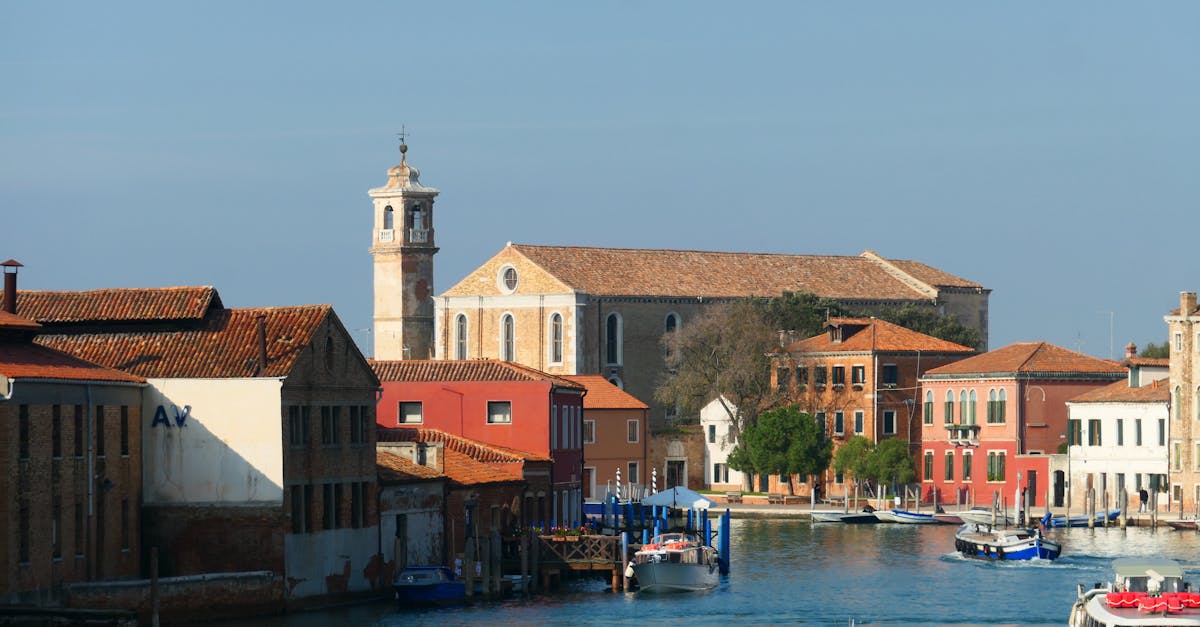
Immerse yourself in the golden age of Venetian painting, where color and light reign supreme over the rigid lines of Florence. At the heart of this artistic revolution stands Titian, whose mastery of oil paint transformed the very fabric of art history; a visit to the Gallerie dell'Accademia or the Frari Basilica reveals his breathtaking use of sfumato and emotional depth in works like the Assumption of the Virgin. Just as captivating is the dynamic energy of Tintoretto, who infused his canvases with dramatic, almost cinematic lighting and swirling compositions that seem to burst from the frame, while Paolo Veronese offered grandeur on an epic scale, filling vast palace halls and church ceilings with celestial feasts of vibrant colors and architectural splendor that define the opulence of the Serenissima.
Walking through these sacred spaces and museums, you are not merely observing static images but stepping into a living dialogue between three titans who redefined what it meant to see the divine and the human. The Venetian school's unique approach, which prioritized mood and texture over linear precision, created a sensory experience that feels remarkably modern even today. Whether you are tracing the intricate brushstrokes of Veronese's "Wedding at Cana" or gazing up at Tintoretto's terrifying yet beautiful "Crucifixion," you will understand why Venice remains the ultimate pilgrimage site for those seeking to witness the pinnacle of Renaissance creativity, where every corner whispers stories of masterful technique and timeless beauty.
 This photo was taken by Lukas Lussi on Pexels.