Art History 101: Masterpieces You Can't Miss in Florence
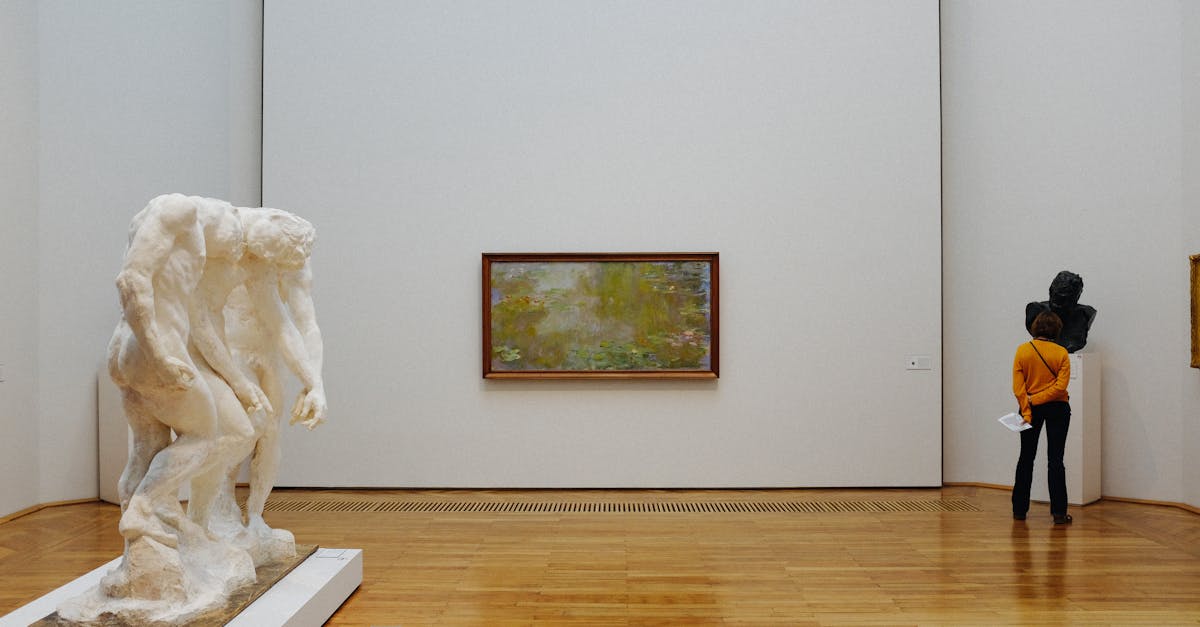 This photo was taken by Adrien Olichon on Pexels.
Welcome to the cradle of the Renaissance, where every cobblestone whispers stories of genius and every corner reveals a masterpiece waiting to be discovered. As your guide through Florence, I invite you to step back in time and walk alongside the giants who shaped Western art. In this journey, we will marvel at Michelangelo's awe-inspiring David and uncover the secrets hidden within the Medici Chapels, trace the architectural revolution begun by Giotto and perfected by Brunelleschi atop the magnificent Duomo, and lose ourselves in the ethereal beauty of Botticelli's works inside the world-famous Uffizi Gallery. Get ready to immerse yourself in the golden age of Italian culture, because these are not just paintings and sculptures; they are the very soul of Florence.
The Renaissance Giants: Michelangelo's David and the Medici Chapels
Stepping into the Galleria dell'Accademia feels like entering a sacred temple where time stands still, centered around Michelangelo's breathtaking David. This 17-foot marble colossus is not merely a statue; it is the very embodiment of the Renaissance spirit, capturing the biblical hero in a moment of tense anticipation before his battle with Goliath. As you stand before him, notice how the artist masterfully manipulated the stone to create veins that seem to pulse beneath the skin and a gaze that pierces through the centuries, reflecting the civic pride and humanist ideals of Florence. While many tourists rush past the original to see the replica outside the Palazzo Vecchio, make sure to linger here to appreciate the sheer scale and anatomical perfection that only Michelangelo could achieve, transforming a block of Carrara marble into a symbol of divine beauty and strength.
Just a short walk away in the Basilica of San Lorenzo lies another masterpiece of the era: the Medici Chapels, designed by Michelangelo himself to honor the powerful family that funded so much of Florence's artistic rebirth. The New Sacristy houses the magnificent tombs of Giuliano and Lorenzo de' Medici, flanked by allegorical figures representing Dawn, Dusk, Day, and Night, which convey a profound meditation on the passage of time and the inevitability of death. Beyond the sculptures, the architecture of the chapel itself, with its soaring domes and rhythmic columns, creates an atmosphere of solemn grandeur that invites quiet reflection. Whether you are tracing the intricate details of the marble inlay or gazing up at the ceiling frescoes, this space offers a unique glimpse into the complex relationship between art, power, and spirituality that defined the Medici legacy.
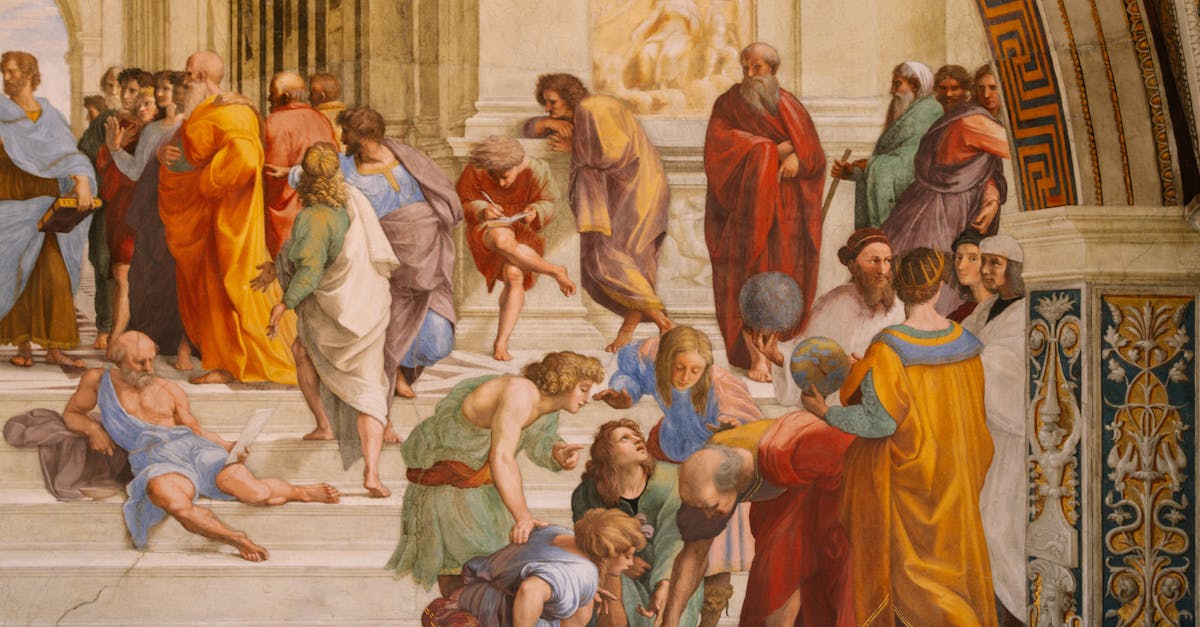 This photo was taken by Josh Withers on Pexels.
Giotto's Legacy: Exploring the Duomo and Brunelleschi's Dome
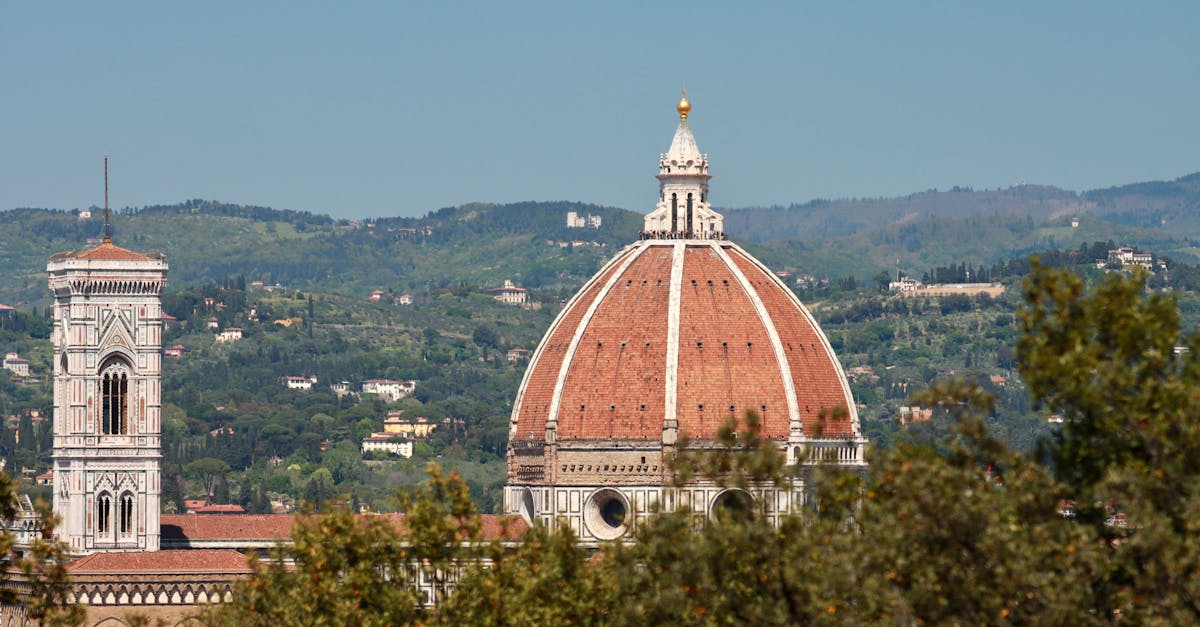
Stepping into the Piazza del Duomo in Florence feels like walking through a living textbook of Italian art history, where the legacy of Giotto and Brunelleschi converges in breathtaking harmony. Begin your journey at the base of Giotto's Campanile, whose intricate marble panels tell vivid biblical stories with a humanism that broke away from medieval rigidity, setting the stage for the Renaissance. Just steps away lies the cathedral itself, a masterpiece of Gothic architecture that served as the canvas for generations of artists, but it is the dome that truly commands the skyline. This architectural marvel, designed by Filippo Brunelleschi, was once considered impossible to build; his ingenious double-shell structure and herringbone brick pattern revolutionized engineering, proving that human ingenuity could conquer gravity and reshape the city forever.
While Giotto provided the spiritual foundation for the complex, Brunelleschi's Dome stands as the ultimate symbol of Florentine pride and innovation, offering visitors a panoramic view of Tuscany that is nothing short of magical. Climbing the 463 steps to the lantern reveals not just the stunning frescoes inside the cupola, painted later by Vasari and Zuccari, but also the sheer audacity of a design that required no centering during construction—a feat that still astounds engineers today. As you stand atop this ancient wonder, looking out over the terracotta roofs of Florence, you are witnessing the culmination of centuries of artistic evolution, where the devotion of the past meets the brilliance of the future in a single, unforgettable silhouette against the Tuscan sky.
 This photo was taken by Efrem Efre on Pexels.
Botticelli's Beauty: The Uffizi Gallery's Iconic Treasures
Step into the Renaissance with Botticelli
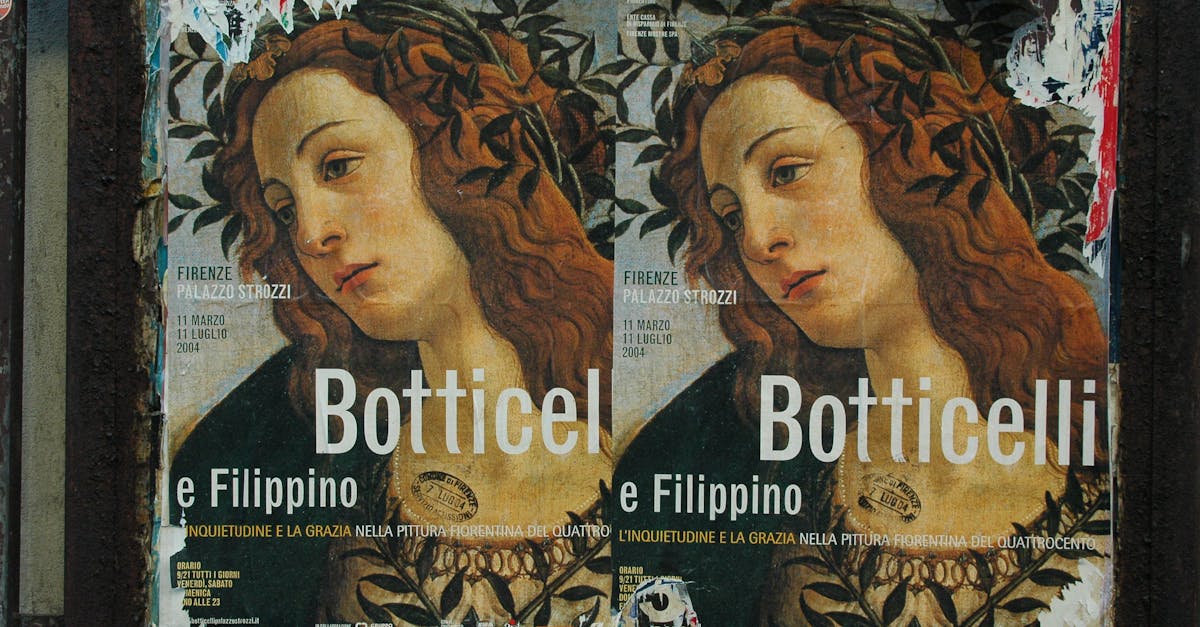
When you wander through the sun-drenched halls of the Uffizi Gallery, few sights are as captivating as Sandro Botticelli's "The Birth of Venus" and "Primavera." These masterpieces, housed in Room 10, are not merely paintings but windows into the Neoplatonic philosophy that defined Florence under the Medici family. Standing before the ethereal figure of Venus emerging from the sea, you can almost feel the gentle breeze of the Tuscan spring that inspired her creation. As your guide, I encourage you to linger here; notice how Botticelli's delicate lines and soft colors capture a moment of divine beauty that transcends time, inviting you to contemplate the harmony between human love and celestial grace.
Beyond these two iconic works, the gallery offers a treasure trove of Botticelli's other contributions, including his deeply spiritual "Adoration of the Magi," which subtly immortalizes the Medici family within its biblical scene. The Uffizi is designed to lead you on a chronological journey, and Botticelli's room serves as the perfect introduction to the High Renaissance's golden age. Whether you are an art history scholar or a casual traveler, the emotional resonance of these frescoes and panel paintings will leave you breathless. Make sure to save ample time for this section, as the sheer magnitude of artistic innovation contained within these walls makes it the absolute heart of any Florence itinerary.
 This photo was taken by CARLOSCRUZ ARTEGRAFIA on Pexels.