Architectural Marvels: From Ancient Ruins to Renaissance Masterpieces
 This photo was taken by Erik Mclean on Pexels.
Welcome to the heart of Europe, where every cobblestone whispers a story and every skyline tells a tale of human ambition. As your guide through the Bel Paese, I invite you on a journey that transcends mere sightseeing; we are about to explore the very soul of Italy written in stone, marble, and light. From the thunderous grandeur of the Colosseum to the delicate symmetry of Brunelleschi's dome, our nation has served as the world's greatest open-air museum for millennia. In this post, we will traverse the centuries, decoding the genius behind Rome's enduring legacy, unraveling the secrets of Florence's golden age, and discovering how Italy's architectural heritage remains a vibrant, living force today. Get ready to walk through time and witness the masterpieces that have shaped civilization.
Walking Through Time: The Enduring Legacy of Ancient Rome
Stepping into the heart of Rome is like walking directly into a living history book, where the grandeur of the ancient empire remains palpable in every stone. The Colosseum stands as a timeless testament to engineering prowess and imperial ambition, its weathered arches echoing with the ghosts of gladiators and cheering crowds from two millennia ago. Just steps away, the Roman Forum offers a sprawling landscape of ruins that once formed the bustling political and social center of the world's greatest city; here, you can trace the footsteps of senators and emperors while marveling at how structures built with such precision have withstood centuries of earthquakes, wars, and neglect. These ancient remnants are not merely broken stones but powerful symbols of human resilience, inviting visitors to imagine the vibrant life that once thrived within these walls.
Beyond the raw majesty of the ruins, the enduring legacy of Ancient Rome is woven seamlessly into the very fabric of modern Italian life, influencing everything from legal systems to the layout of our cities. As you wander through narrow cobblestone streets lined with fountains and piazzas, you realize that the Romans were not just builders of monuments but architects of civilization itself, establishing roads, aqueducts, and urban planning principles that still guide us today. This historical depth creates a unique atmosphere where the past feels intimately connected to the present, allowing tourists to experience a profound sense of continuity. Whether you are gazing up at the Pantheon's massive dome or tracing the intricate carvings on an ancient triumphal arch, you are witnessing a cultural heritage that has shaped Western history and continues to inspire awe in all who visit this eternal city.
 This photo was taken by Rollz International on Pexels.
The Golden Age: Decoding the Genius of Renaissance Florence
Step into the heart of the Renaissance in Florence, where the very air seems thick with the creative energy that once ignited a global cultural revolution. This city was not merely a backdrop but the active workshop of history's greatest minds, from Brunelleschi to Michelangelo, who transformed humble stone and bronze into timeless masterpieces. As you wander through the historic center, the architectural marvels speak volumes of an era defined by humanism and scientific inquiry, most notably seen in the iconic dome of Santa Maria del Fiore. This engineering feat, which still dominates the skyline, was more than just a roof; it was a bold declaration of human potential that challenged the heavens themselves, inviting visitors to look up and witness the genius that redefined the possibilities of construction.
Beyond the grand cathedrals lies a labyrinth of palazzos and hidden courtyards that served as the intellectual salons of the age, where art and philosophy intertwined to shape Western civilization. The Uffizi Gallery and the Accademia are not just museums but sanctuaries housing works like Botticelli's "Birth of Venus" and Michelangelo's "David," each piece offering a window into the sophisticated aesthetic sensibilities of the time. Walking these streets is akin to walking through an open-air encyclopedia of the Golden Age, where every archway and fresco tells a story of patronage, rivalry, and unparalleled artistic ambition. For the modern traveler, Florence remains the ultimate destination to decode the secrets of this brilliant period, proving that its legacy continues to inspire awe centuries later.
This photo was taken by Erik Mclean on Pexels.
Beyond Stone and Marble: Italy's Living Architectural Heritage
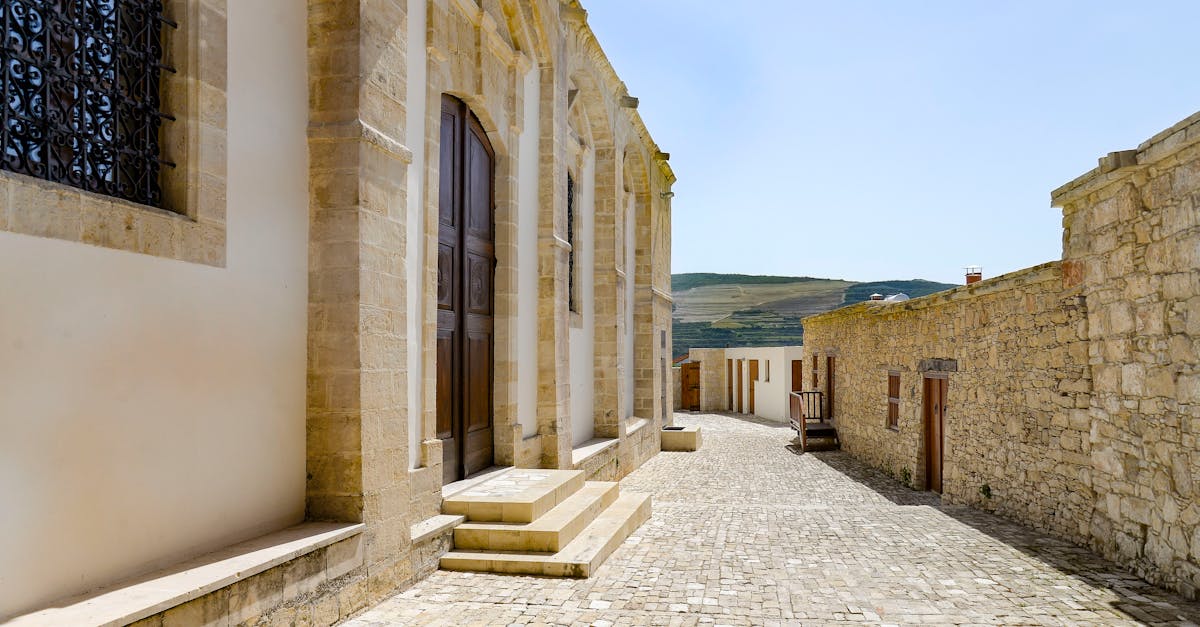
While the grandeur of ancient ruins and Renaissance palazzos often dominates travel guides, Italy's true architectural soul lies in its living, breathing communities that have adapted historic structures for modern life. From the trulli conical huts of Alberobello to the intricate Sassi cave dwellings of Matera, these unique building traditions are not merely museum pieces but vibrant homes where generations continue to weave their daily lives into stone walls. Walking through these neighborhoods feels less like visiting a historical site and more like stepping into a continuous narrative, where the wear of centuries is celebrated rather than hidden, offering visitors an intimate glimpse into a way of life that has thrived alongside architecture for millennia.
This dynamic heritage extends beyond isolated villages into the bustling city centers where medieval piazzas serve as lively social hubs and Baroque fountains remain the beating heart of neighborhood gatherings. In places like Bologna or Florence, you will find that the most spectacular buildings are those actively used by locals, from family-run trattorias housed in 12th-century towers to markets operating beneath the arches of ancient Roman forums. As a guide, I always encourage travelers to look past the polished facades and observe how these spaces function today, for it is in this seamless blend of past and present that Italy's architectural legacy truly comes alive, proving that history here is not just observed but experienced every day.
 This photo was taken by Elena Umyskova on Pexels.