Ancient Wonders: A Day Trip to Pompeii and Herculaneum
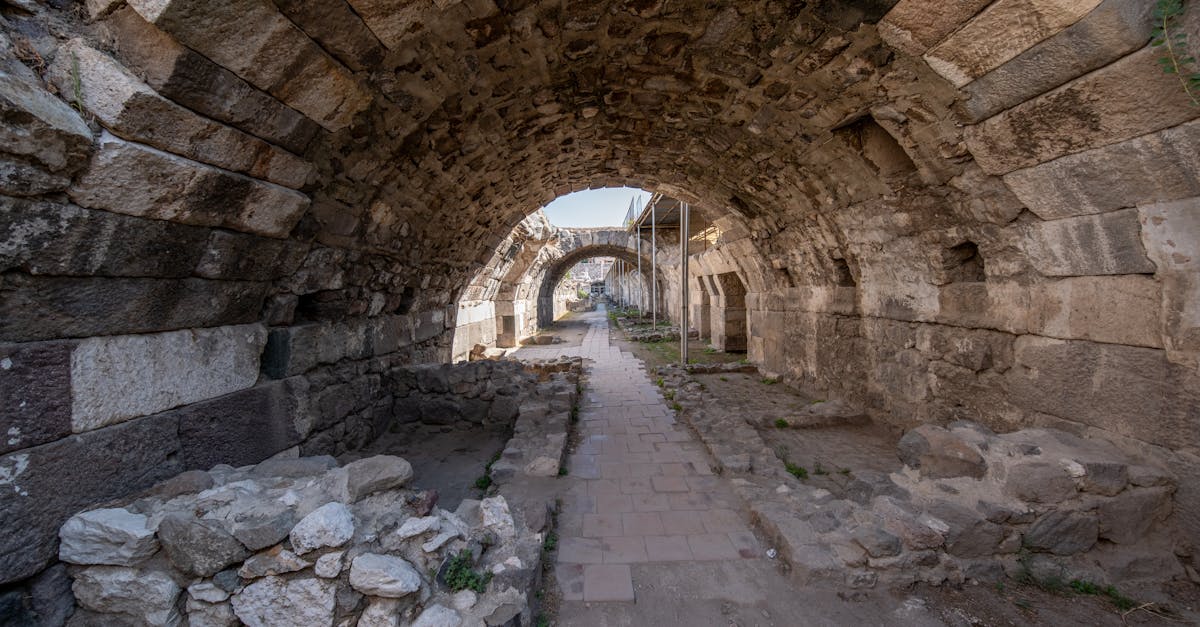 This photo was taken by Doğan Alpaslan Demir on Pexels.
Benevenuti! Imagine stepping off a modern train and instantly walking into the heart of Roman life, frozen in time by one of history's most catastrophic events. As your local guide, I am thrilled to invite you on an unforgettable journey back to 79 AD with our featured day trip: Ancient Wonders: A Day Trip to Pompeii and Herculaneum.
In this post, we will explore the bustling streets where gladiators once trained and merchants sold their wares, then contrast that experience with the remarkably preserved, ash-covered villas of Herculaneum. From decoding the vibrant frescoes and intricate mosaics to navigating practical logistics like tickets and timing, get ready to transform from ash to art as we uncover the secrets buried beneath Vesuvius.
Walking Through Time: The Streets of Pompeii
Stepping onto the ancient stone of Pompeii feels less like a museum visit and more like a sudden time travel experience, where the vibrant chaos of Roman life froze in 79 AD. As you wander through the Via dell'Abbondanza, your footsteps echo on the worn, grooved surfaces of the original paving stones, which still bear the deep ruts left by centuries of chariot wheels. The air seems to hold the whispers of merchants haggling in the Forum and the distant clang of blacksmiths, while the well-preserved frescoes in private homes burst with colors that have defied the volcanic ash for nearly two millennia. Every corner reveals a story, from the graffiti scrawled on walls to the bakeries where ovens were once hot, offering an intimate glimpse into the daily rhythm of a city that was tragically lost.
The true magic of walking these streets lies in the haunting juxtaposition of grandeur and tragedy, inviting you to imagine the bustling metropolis before Mount Vesuvius unleashed its fury. You can trace the path of the lava flow or stand in the shadow of the towering amphitheater, imagining the roar of the crowd that once filled its seats. Unlike many archaeological sites where artifacts are behind glass, here the ruins are open and immersive, allowing you to touch history directly as you navigate the labyrinthine alleys. It is a profound journey that transforms abstract historical facts into a tangible reality, leaving every visitor with a deep sense of connection to the people who once called this sun-drenched town home.
 This photo was taken by Erik Mclean on Pexels.
A Perfectly Preserved Snapshot: Discovering Herculaneum
While Pompeii often steals the spotlight, a short train ride away lies Herculaneum, an archaeological gem that offers a remarkably different yet equally haunting glimpse into Roman life. Unlike its more famous neighbor, which was buried under meters of ash and pumice, Herculaneum was engulfed by superheated pyroclastic flows that carbonized organic materials, preserving them in a state of eerie perfection. Walking through its narrow streets, you will find yourself stepping directly into the past, where wooden doors still stand on their hinges, intricate frescoes retain their vibrant colors, and even a loaf of bread remains intact in an ancient bakery oven, creating a tangible connection to the people who lived here two thousand years ago.The site's exceptional preservation extends beyond mere architecture; it captures the intimate details of daily existence that time has otherwise erased from history. As you explore the Villa of the Papyri, one of the most luxurious homes ever discovered, you can marvel at the world's only surviving library of ancient scrolls, now painstakingly unrolled by scientists to reveal the lost works of Greek philosophers. The atmosphere here is quieter and more contemplative than at Pompeii, allowing visitors to truly absorb the tragedy and beauty of a city frozen in time. It is a place where the silence speaks volumes, inviting you to imagine the bustling marketplaces and family gatherings that once filled these sun-drenched courtyards before the fateful eruption of Mount Vesuvius changed everything forever.
This photo was taken by Erik Mclean on Pexels.
From Ash to Art: Must-See Highlights and Practical Tips
Immerse yourself in the frozen moment of history as you explore the sun-drenched ruins of Pompeii and the remarkably preserved underground streets of Herculaneum. In Pompeii, walk along the original lava-paved roads where chariot wheels still leave deep grooves, and marvel at the vibrant frescoes that once adorned the walls of the Villa of the Mysteries before the eruption of Mount Vesuvius in 79 AD. Just a short train ride away, Herculaneum offers a more intimate experience; its wooden beams and even papyrus scrolls have survived due to being buried under meters of volcanic ash, allowing you to step inside ancient bakeries and private homes with an eerie sense of continuity. Together, these sites transform from mere archaeological dig sites into vivid portals, offering a profound connection to the daily lives, tragedies, and triumphs of the Roman people.
To make the most of your day trip, practical preparation is key given the intense summer heat and the vastness of the excavated areas. Start early by booking skip-the-line tickets online for both sites to avoid long queues, and consider joining a guided tour that focuses on storytelling rather than just facts, which brings the ghosts of the past to life. Dress comfortably in breathable fabrics and sturdy walking shoes, as the terrain is uneven and there is limited shade across the open plazas. Finally, bring plenty of water and a hat, but leave heavy backpacks at home or use the lockers available near the entrances, ensuring your focus remains entirely on the awe-inspiring journey back in time.
This photo was taken by Erik Mclean on Pexels.