Ancient Wonders: A Day Trip from Rome to Pompeii and Herculaneum
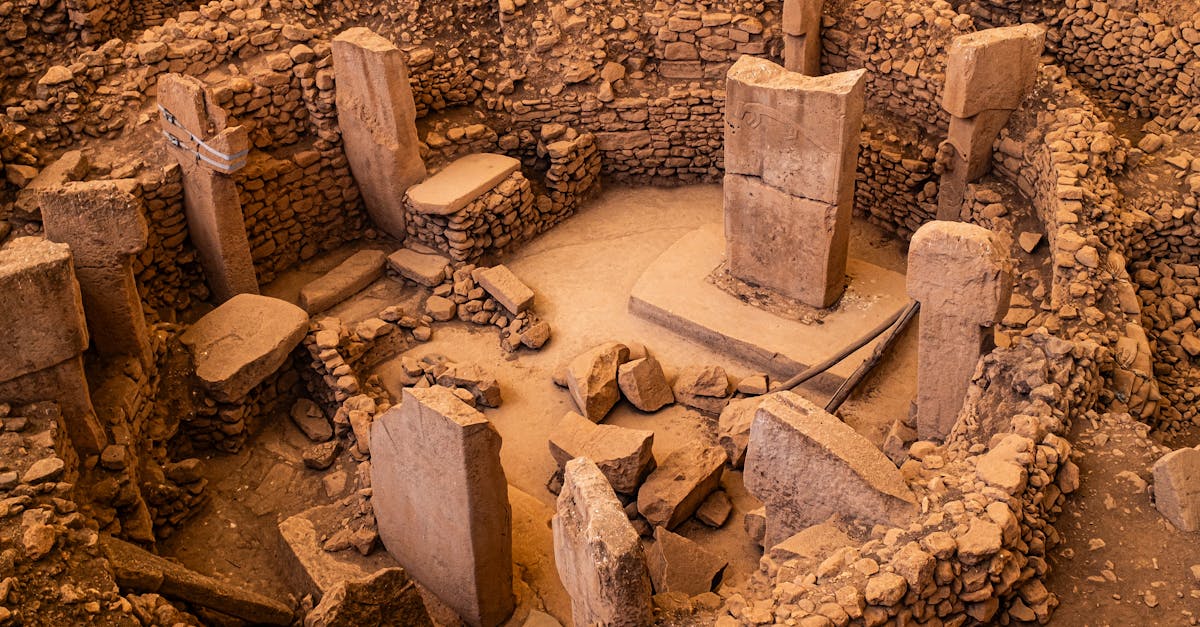 This photo was taken by Aysegul Aytoren on Pexels.
Welcome, fellow travelers! As your guide through the heart of Italy, I am thrilled to introduce you to one of the most captivating day trips available from the Eternal City. Just a short journey south along the ancient Appian Way lies a world frozen in time, where the catastrophic eruption of Mount Vesuvius in 79 AD preserved two remarkable cities: Pompeii and Herculaneum. In this post, we will walk hand-in-hand through the sun-drenched streets of Pompeii, uncovering the daily secrets of its bustling inhabitants, before stepping into the remarkably intact, ash-sealed corridors of Herculaneum, a true time capsule of Roman luxury. Whether you are a history buff or simply seeking an unforgettable adventure, read on for our essential practical tips to make your Roman day trip seamless, safe, and absolutely magical.
Unearthing the Secrets of Pompeii's Streets
Walking through the sun-drenched streets of Pompeii is less like visiting a museum and more like stepping into a frozen moment in time, where the cobblestones still echo with the footsteps of ancient Romans. As you trace the path along Via dell'Abbondanza, look closely at the worn grooves carved into the stone by centuries of chariot wheels, or pause to examine the vibrant frescoes that once adorned the walls of bustling bakeries and taverns. Every corner reveals a new secret, from the intricate mosaic floors depicting mythical creatures to the mysterious graffiti left by locals, offering an intimate glimpse into the daily lives, struggles, and aspirations of a city that was suddenly silenced by the eruption of Vesuvius.
The true magic of this archaeological wonder lies in its ability to make history feel startlingly immediate; you can almost hear the clatter of sandals on pavement as you navigate the narrow alleyways that led directly to the forum and the grand amphitheater. Unlike many ruins that are merely shells of their former glory, Pompeii preserves the very fabric of urban life, allowing you to visualize the smoke rising from ovens and the laughter spilling from open-air markets just before the fateful day in 79 AD. This immersive journey transforms you from a passive observer into a time traveler, uncovering stories written in ash and stone that continue to captivate visitors from around the globe.
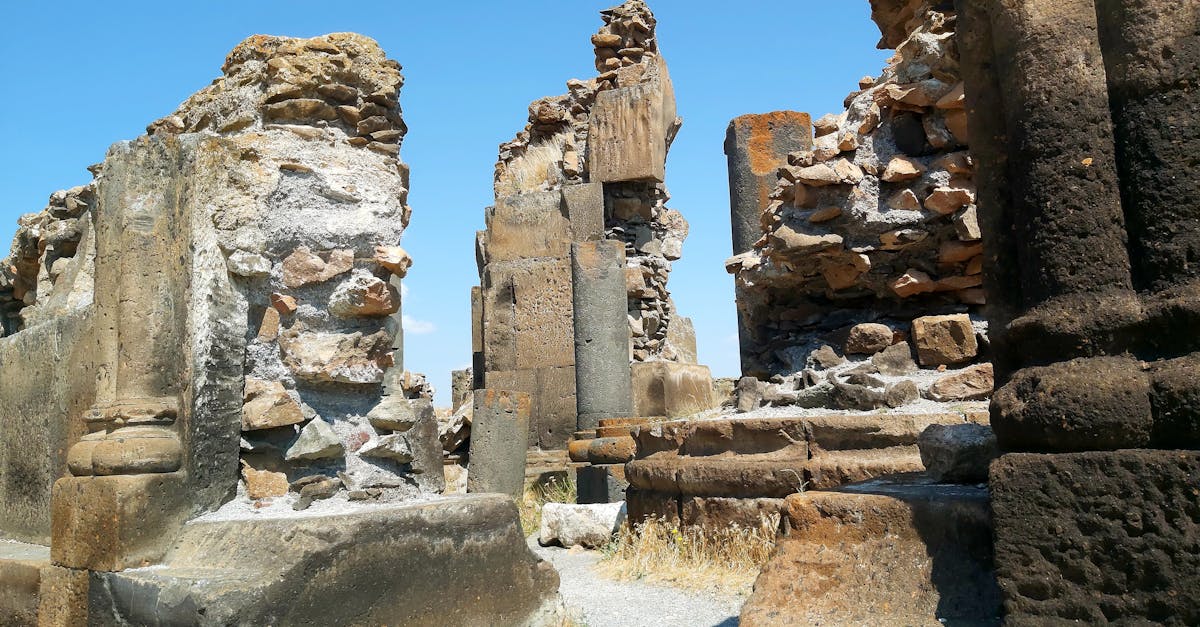 This photo was taken by Alper Murat KİRPİK on Pexels.
The Time Capsule of Herculaneum
While Pompeii often steals the spotlight, a mere twenty-minute drive away lies Herculaneum, a remarkably preserved time capsule that offers an even more intimate glimpse into Roman life. Unlike its famous neighbor, which was buried under meters of ash and pumice, Herculaneum was engulfed by a superheated pyroclastic flow that carbonized organic materials, leaving behind wooden furniture, scrolls, and even food with startling clarity. Walking through its narrow streets, you will find yourself standing in rooms where families once gathered, their daily routines frozen in time by the volcano's fury, creating an atmosphere that feels less like an archaeological dig and more like stepping into a living room from two thousand years ago.The true magic of this site is found in its incredible state of preservation, particularly within the Villa dei Papiri, where scientists have painstakingly recovered thousands of ancient papyrus scrolls that are still being unrolled and deciphered today. As you explore the well-preserved porticoes and the stunning frescoes that adorn the walls, you can almost hear the echoes of the past, feeling the tangible presence of a community cut short but never forgotten. This haunting yet beautiful journey provides a profound contrast to the grandeur of Rome, reminding every visitor that while empires may fall, the stories of ordinary people endure, waiting patiently beneath the earth for us to rediscover them.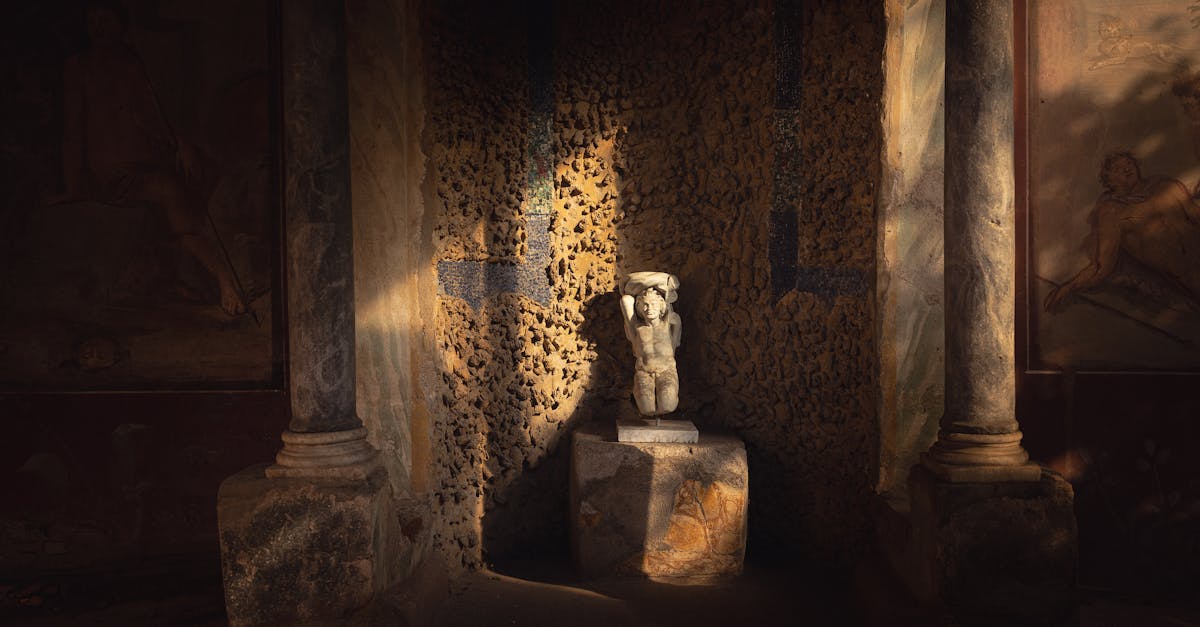 This photo was taken by James Frid on Pexels.
Practical Tips for Your Roman Day Trip
To make the most of your journey from Rome to these ancient sites, I highly recommend booking a guided tour that includes high-speed train transfers and skip-the-line entry tickets in advance. Both Pompeii and Herculaneum are vast archaeological parks where wandering without context can be overwhelming; a knowledgeable local guide will bring the ruins to life by explaining daily Roman life, the tragic events of 79 AD, and the significance of specific frescoes or mosaics you might otherwise miss. Since the summer months bring intense heat, especially at the open-air site of Pompeii, ensure you wear comfortable walking shoes, a wide-brimmed hat, and carry plenty of water, as shaded areas are scarce within the excavated zones.Timing is equally crucial for a seamless day trip, so aim to arrive at the gates right when they open to avoid the largest crowds and the peak midday sun. While both cities offer incredible insights, Herculaneum often feels more intimate and better preserved due to being buried under volcanic mud rather than pumice stones, making it an ideal stop if you have limited time to explore thoroughly. Remember that restrooms and food vendors are available on-site, but prices can be higher inside the park, so consider grabbing a light breakfast in Naples before heading out. Finally, keep your phone charged for photos, but try to put it away occasionally to fully immerse yourself in the haunting beauty of this frozen moment in history. This photo was taken by Zulfugar Karimov on Pexels.