Ancient Ruins and Modern Vibes: The History of Pompeii
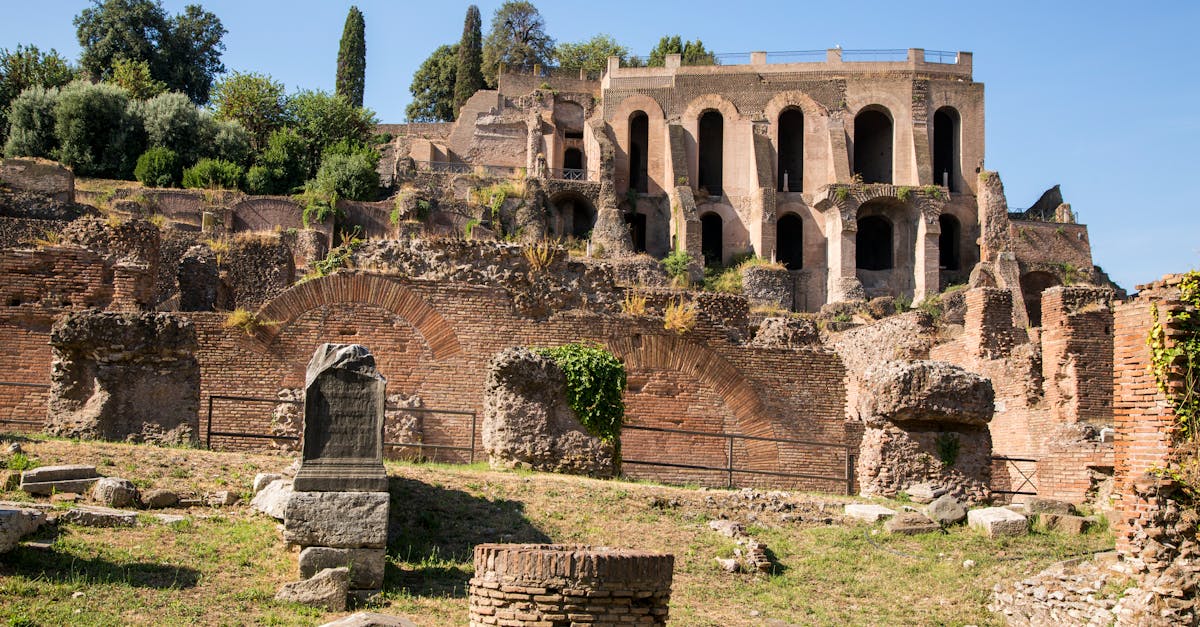 This photo was taken by Valentin Ivantsov on Pexels.
Imagine stepping onto a cobblestone street where the chatter of merchants and the clatter of chariot wheels once filled the air, only to be silenced forever by a mountain's fury. Welcome to Pompeii, one of the world's most captivating archaeological treasures, where the frozen moments of 79 AD offer an unparalleled glimpse into the heart of the Roman Empire. As your guide through this timeless destination, I invite you to explore how a catastrophic eruption transformed a thriving metropolis into a silent time capsule, preserving everything from grand villas to the humblest daily routines beneath layers of volcanic ash. Join me as we walk in the footsteps of the ancients, uncover the secrets hidden in the dust, and discover the incredible modern efforts dedicated to keeping this ancient tragedy alive as a beacon of history for generations to come.
Walking in the Footsteps of Romans: The Original City
Stepping into the Forum of Pompeii is akin to time travel, where the cobblestones worn smooth by two millennia of sandals and chariot wheels tell a story of daily life frozen in an instant. As you wander through the original city, you can trace the footsteps of Romans who once debated politics in the basilica, shopped for fresh fish at the macellum, or sought refuge in the bustling thermopolia that served as ancient fast-food joints. The sheer preservation of these streets offers an intimate glimpse into the rhythm of Roman existence, allowing visitors to imagine the vibrant chatter and commerce that once filled every corner before the catastrophic eruption of Vesuvius.
What makes this experience truly unique is how seamlessly the ancient past blends with the modern visitor journey, creating a dynamic atmosphere where history feels alive rather than static. While the ruins provide a profound sense of historical weight, the surrounding landscape of Mount Vesuvius looms majestically in the background, reminding us of the raw power of nature that shaped this site. Today, as you explore the well-preserved frescoes and intricate mosaics, you are not just observing artifacts but engaging in a dialogue across centuries, feeling the enduring spirit of a city that continues to captivate travelers from around the globe with its haunting beauty and timeless allure.
 This photo was taken by Vitaly Gariev on Pexels.
Time Capsule Buried in Ash: Uncovering Daily Life
Stepping into the volcanic ash that preserved Pompeii is akin to opening a time capsule frozen in 79 AD, where the mundane rhythms of daily life are surprisingly vivid. As you wander through the excavated streets, you can almost hear the clatter of chariot wheels and smell the fresh bread from the bakeries that still bear the imprints of their ovens. The plaster casts of victims, meticulously created by archaeologists to capture their final moments, offer a hauntingly human connection, reminding us that behind the grand architecture were real families, merchants, and children who lived, loved, and feared just as we do today.
Beyond the tragic scenes lie fascinating glimpses into the ordinary routines that defined this bustling Roman city, from the intricate frescoes decorating private homes to the graffiti scrawled on public walls declaring political slogans or simple greetings. You will discover how the layout of the Forum served as the vibrant heart of commerce and social interaction, while the well-preserved baths reveal the importance of hygiene and community gathering in Roman culture. These details transform the ruins from mere historical artifacts into a living narrative, allowing modern visitors to bridge the gap between ancient history and contemporary life with an unprecedented sense of intimacy.
 This photo was taken by Nothing Ahead on Pexels.
From Ancient Tragedy to Modern Wonder: Preserving Pompeii
Walking through the ash-choked streets of Pompeii today feels less like a visit to a graveyard and more like stepping into a frozen moment of ancient life, where the ghosts of tragedy have been transformed into a profound modern wonder. The catastrophic eruption of Mount Vesuvius in 79 AD buried this vibrant Roman city under meters of volcanic material, preserving everything from the intricate frescoes adorning villa walls to the very last meals of its inhabitants in haunting plaster casts. As you wander past the original theater or the bustling bakery where bread was once kneaded, you are not merely observing ruins but engaging with a raw, unfiltered dialogue between the past and present, where the scale of human loss is matched only by the miraculous survival of daily rituals.
Yet, the story of Pompeii does not end with preservation; it continues through the relentless efforts of archaeologists and conservationists who work tirelessly to stabilize these fragile remnants against the ravages of time and tourism. Modern technology now plays a crucial role in this ongoing saga, with laser scanning and digital reconstruction projects allowing visitors to visualize the city as it stood two millennia ago before its destruction. This delicate balance between protecting an irreplaceable historical treasure and sharing it with the world ensures that Pompeii remains a living classroom, offering us a unique lens through which to understand both the grandeur of the Roman Empire and the enduring resilience required to keep history alive for future generations.
 This photo was taken by Jean-Paul Wettstein on Pexels.