Ancient Ruins and Modern Vibes: A Day Trip from Pompeii to Naples
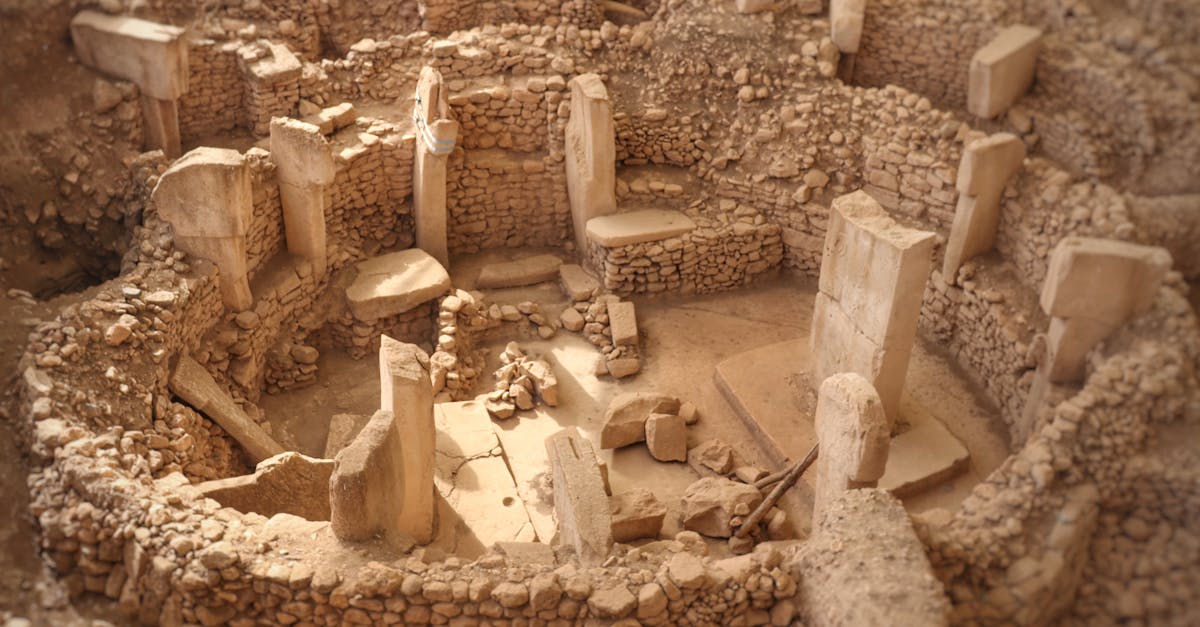 This photo was taken by Yigit Surenoglu on Pexels.
Welcome to the heart of Campania, where the echoes of ancient history blend seamlessly with the electric energy of modern life. Just a short train ride away lies one of Italy's most compelling day-trip itineraries: a journey from the frozen moment of Pompeii to the vibrant, chaotic soul of Naples. In this post, we will guide you through the sun-drenched ruins of a city preserved by tragedy, allowing you to walk where Romans once walked, before diving into Naples' legendary street food scene and historic cafés. Finally, we'll uncover the powerful volcanic connection that binds these two cities together, exploring how Mount Vesuvius has shaped their destinies for millennia. Get ready to experience a perfect fusion of past and present in southern Italy.
Step Back in Time: Exploring the Preserved Streets of Pompeii
Stepping onto the ancient streets of Pompeii is akin to walking through a frozen moment in history, where the vibrant life of a Roman city was abruptly halted by the eruption of Mount Vesuvius in 79 AD. As you wander through the well-preserved cobblestone lanes, your eyes are drawn to the intricate frescoes adorning villa walls and the worn grooves in the stone that reveal exactly where chariots once rolled. The sheer clarity of the ruins allows you to visualize daily routines, from the bustling bakeries still containing their ovens to the intimate courtyards where families once gathered, offering an immersive connection to the past that few archaeological sites can match.
What makes this experience truly magical is the juxtaposition of these silent stones against the living landscape that surrounds them; olive trees sway gently above the excavated forums, and the distant, brooding silhouette of Vesuvius looms as a constant reminder of nature's power. Unlike many other historical sites where reconstruction often feels artificial, Pompeii retains its raw, authentic atmosphere, inviting visitors to imagine the voices that once echoed through these narrow alleys before the ash fell. It is a profound journey back in time that not only educates but also stirs a deep sense of wonder, perfectly setting the stage for the modern energy awaiting you just a short drive away in Naples.
 This photo was taken by Kanhaiya Sharma on Pexels.
A Culinary Journey: From Street Pizza to Historic Cafés in Naples
Begin your gastronomic adventure in the vibrant heart of Naples, where the art of pizza-making was born and street food reigns supreme. As you wander through the narrow, bustling alleyways near Via dei Tribunali, the air is thick with the aroma of wood-fired ovens and melted mozzarella di bufala. You cannot miss a slice of pizza a portafoglio, folded like a wallet and stuffed with crispy fried potatoes and tomato sauce, or a classic Margherita baked to perfection in minutes. This is not merely a meal but a cultural ritual; locals gather around these open-air stalls, sharing stories over plates of golden crust, embodying the warm, chaotic soul of the city that has delighted travelers for centuries.
After satisfying your hunger on the streets, transition into the refined elegance of Naples' historic cafés, where time seems to stand still amidst marble tables and ornate mirrors. Step inside the legendary Caffè Gambrinus or the atmospheric Gran Caffè Gambrinus, established in the 19th century, to savor an espresso that is as dark and intense as the Vesuvius looming nearby. Here, the tradition of "caffè sospeso" (suspended coffee) invites you to pay for a drink for someone in need, while others enjoy a slice of Sfogliatella riccia, a flaky pastry filled with sweet ricotta and citrus zest. These establishments serve as living museums of Neapolitan life, offering a sophisticated contrast to the street energy and providing the perfect setting to reflect on the day's journey from ancient ruins to modern vibrancy.
 This photo was taken by Lucio Panerai on Pexels.
The Volcanic Connection: How Mount Vesuvius Shaped Both Cities
Mount Vesuvius is not merely a looming silhouette on the horizon but the very heartbeat that connects the frozen time of Pompeii with the pulsating energy of Naples. The catastrophic eruption of 79 AD, which buried the ancient Roman city in ash and pumice, inadvertently created a unique geological bridge between the past and present; the same volcanic soil that preserved the ruins of Pompeii also enriched the land for the vineyards and gardens that now surround modern Naples. As you travel from the silent streets of the excavated forum to the bustling piazzas of the capital, you are walking across a landscape shaped by fire, where the dark, fertile earth continues to nurture life despite the ever-present memory of destruction.
This volcanic legacy defines the character of both destinations, infusing them with a distinct sense of resilience and drama that permeates every aspect of daily life. In Naples, the volcano is a constant companion, visible from almost every vantage point, reminding residents and visitors alike of nature's raw power while inspiring a culture that embraces life with fiery passion. The connection extends beyond geology into the culinary realm, as the mineral-rich soils contribute to the renowned flavors of Neapolitan pizza and wine, creating a sensory experience that ties the modern city directly to its ancient neighbor. Whether standing amidst the crumbling walls of Pompeii or sipping espresso at a café overlooking the bay, one cannot help but feel the profound influence of Mount Vesuvius weaving together two cities separated by centuries yet bound by their shared volcanic destiny.
 This photo was taken by Erik Mclean on Pexels.