Ancient Ruins and Modern Life: Walking Through Pompeii and Herculaneum
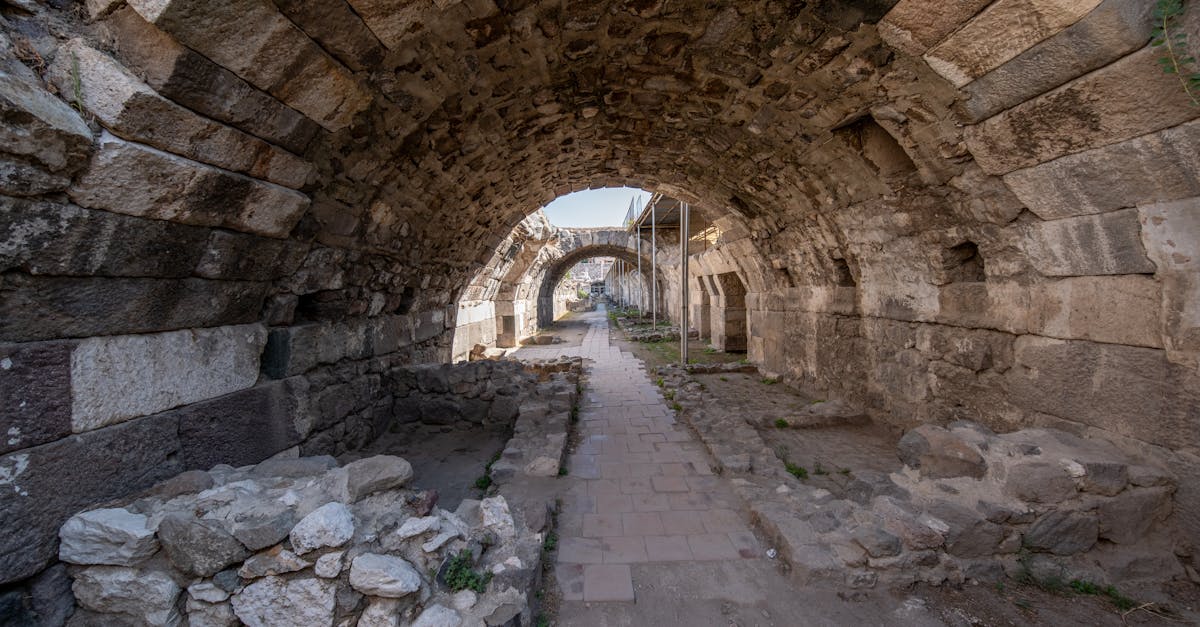 This photo was taken by Doğan Alpaslan Demir on Pexels.
Welcome, travelers, to the beating heart of Italy's archaeological wonders. As we step off the beaten path from Naples, we embark on a unique journey where the dust of antiquity meets the vibrant pulse of modern tourism. In this post, we will wander through the shadowed streets of Pompeii and the eerily preserved corridors of Herculaneum, two cities frozen in time by the catastrophic eruption of Mount Vesuvius nearly two millennia ago. From the intimate, silent snapshots of daily life captured in Herculaneum to the bustling energy that still permeates the ruins of Pompeii today, we invite you to uncover the human stories hidden beneath the ashes. Join me as we explore how these ancient towns continue to speak to us, bridging the gap between the past and our present world.
Preserved in Time: The Frozen Moments of Herculaneum
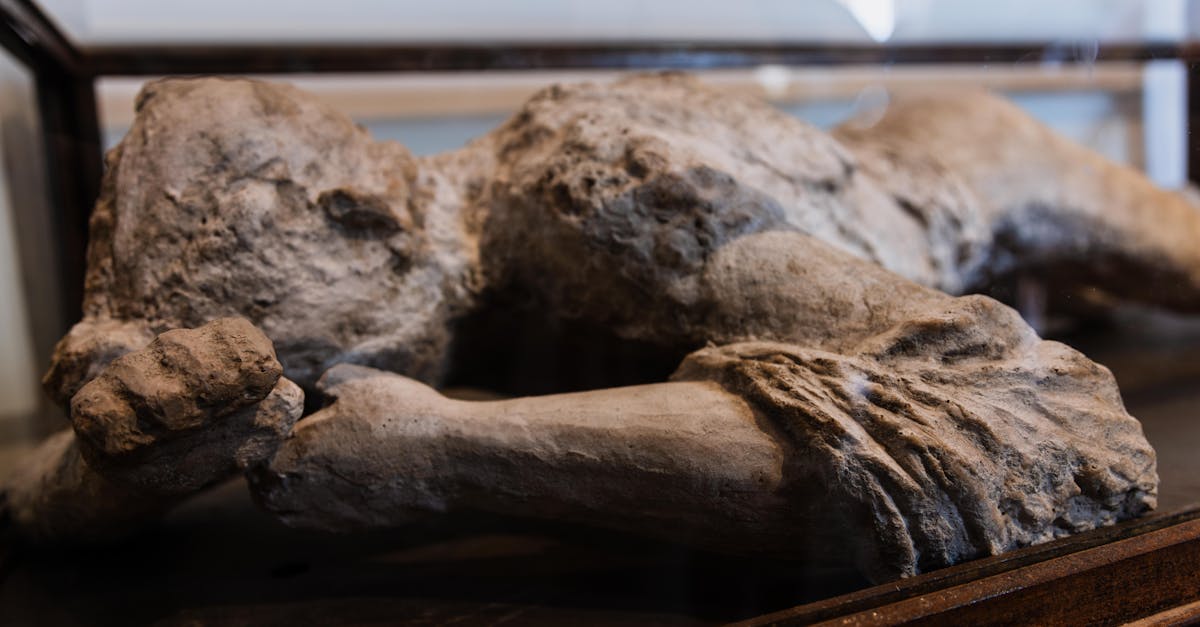
Nestled just a few kilometers from the chaotic bustle of modern Naples, Herculaneum offers a hauntingly different narrative than its more famous neighbor, frozen in time by a pyroclastic surge that buried it under 20 meters of volcanic material. Unlike Pompeii, where ash merely suffocated, the intense heat and pressure here carbonized organic matter, preserving wooden beams, scrolls, furniture, and even food with an eerie clarity that has survived for nearly two millennia. As you walk through the narrow, well-preserved streets, you are not merely observing ruins but stepping into a domestic snapshot of Roman life, where the intricate mosaics gleam under the Mediterranean sun and the darkened doorways still hold the ghosts of families who fled or perished in a single, terrifying afternoon.
The atmosphere at Herculaneum feels remarkably intimate and quiet, inviting visitors to imagine the daily rhythms of this coastal town before its sudden demise. The site reveals a sophisticated society with luxurious villas featuring elaborate frescoes that have retained their vibrant colors, alongside evidence of advanced engineering like heated floors and water systems that hint at a high standard of living. While the air remains heavy with the weight of history, there is also a profound sense of connection as you trace the paths once walked by merchants, artisans, and children, making Herculaneum a poignant testament to human resilience and the fragility of civilization against the forces of nature.
 This photo was taken by K on Pexels.
The Bustling Streets of Pompeii: Where History Meets Modern Tourism
As you step onto the ancient stone slabs of Pompeii, the air hums with a unique energy where millennia-old silence collides with the vibrant chatter of modern travelers. The narrow streets, once teeming with merchants and citizens fleeing the eruption of Vesuvius in 79 AD, now echo with the rhythmic clicking of camera shutters and the soft squeak of sandals on worn pavement. Guided tours weave through the excavated neighborhoods, bringing to life the daily routines of an empire lost to time, while souvenir stalls line the periphery, offering a tangible link between the past and present for visitors eager to take a piece of history home.
This bustling atmosphere creates a fascinating paradox, as the ghostly outlines of frescoed walls stand shoulder-to-shoulder with the lively flow of contemporary tourism. Unlike many archaeological sites that feel like distant museums, Pompeii remains an immersive experience where the boundaries between history and the present blur; you might pause to admire a perfectly preserved bakery only to be drawn into a conversation with a local vendor or hear the distant laughter of children playing near the Forum. It is here, amidst the ruins, that one truly understands the resilience of human culture, witnessing how the legacy of the ancients continues to shape the pulse of modern Italy's most visited historical destination.
 This photo was taken by Erik Mclean on Pexels.
Beyond the Ashes: Uncovering Daily Life in Ancient Vesuvian Towns
While the volcanic eruption of 79 AD is often remembered for its tragic finality, venturing into the streets of Herculaneum and the fresher layers of Pompeii reveals a vibrant tapestry of daily existence that was abruptly frozen in time. Imagine walking through the narrow, cobblestone alleys where bakers once kneaded dough in ovens still warm to the touch, or pausing at the well-preserved taverns where locals gathered to sip wine from clay cups. The intricate mosaics depicting gladiators and mythological scenes were not merely decorations but reflections of a society deeply engaged with art, commerce, and social hierarchy, offering a glimpse into the routine laughter, arguments, and aspirations of ordinary citizens rather than just the grand narratives of emperors and gods.Beyond the dramatic skeletal remains of buildings, these ancient towns serve as a profound mirror to modern life, bridging the gap between millennia with their strikingly relatable human experiences. You can trace the footpaths worn smooth by centuries of sandals, visit the public latrines where neighbors chatted while attending to business, and see the graffiti scrawled on walls that range from political slogans to declarations of love, proving that the essence of community has remained remarkably consistent. By exploring these sites, we do not just observe history as a distant event; we step into a living narrative where the boundaries between the past and present blur, allowing us to connect with our ancestors over shared moments of joy, struggle, and the simple rhythm of everyday life. This photo was taken by Mukhtar Shuaib Mukhtar on Pexels.