Ancient History Alive: Walking Through Pompeii and Ostia Antica
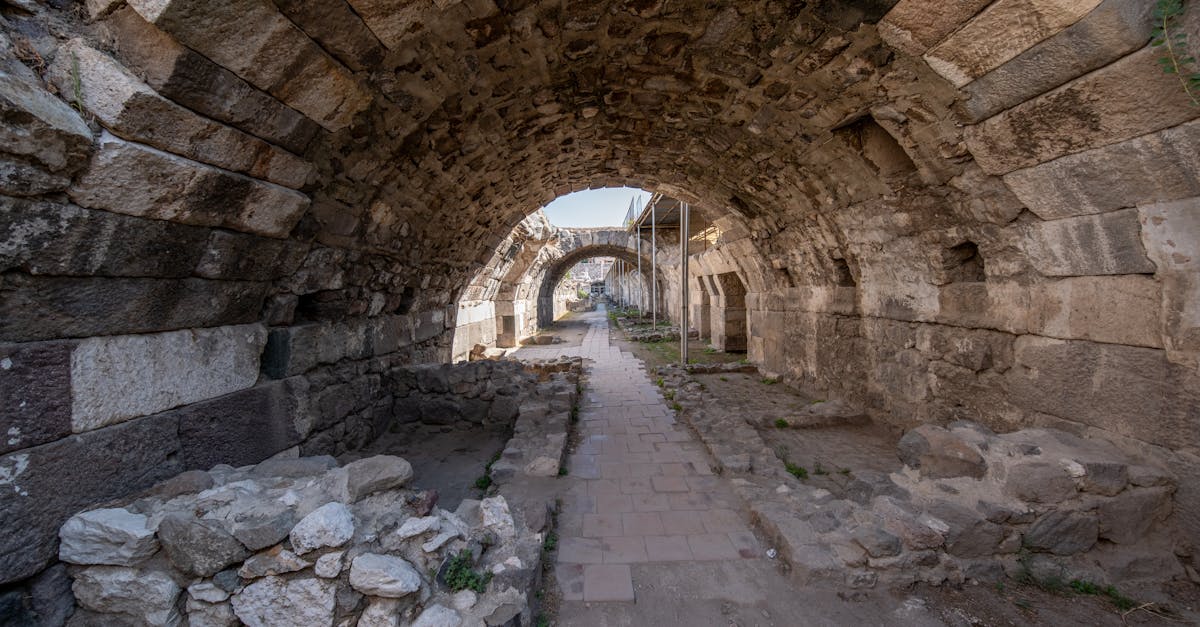 This photo was taken by Doğan Alpaslan Demir on Pexels.
Ciao and welcome, travelers! There is a unique magic in Italy that goes far beyond our stunning art, delicious cuisine, and rolling vineyards; it lies in the tangible presence of history that surrounds us every day. Today, we invite you to step back in time and walk among the ghosts of two extraordinary archaeological treasures: Pompeii and Ostia Antica. While Pompeii offers a dramatic, frozen-in-ash glimpse into daily life on the very morning Vesuvius erupted, Ostia Antica reveals the bustling heart of ancient Rome's port city, complete with its own vibrant quays and merchant shops. In this post, we will guide you through the ash-covered streets of the lost city and the sun-drenched ruins of the imperial harbor, helping you compare these incredible sites to decide which ancient gem deserves a place on your itinerary first.
A Time Capsule Frozen in Ash: The Streets of Pompeii
Stepping onto the ancient streets of Pompeii feels less like a historical tour and more like a sudden, silent intrusion into a world paused in time. As you walk along the worn lava-paved roads, your footsteps echo over the very paths trodden by Romans nearly two millennia ago, where the shadows of volcanic ash still cling to the ruins of bakeries, baths, and vibrant frescoes. The sheer preservation is nothing short of miraculous; you can trace the grooves left by cart wheels in the stone, see the graffiti scrawled by locals on temple walls, and even glimpse the haunting plaster casts of those who sought shelter when Mount Vesuvius erupted in 79 AD, their final moments frozen in tragic detail.
The atmosphere here is uniquely poignant, blending the awe of discovery with a profound sense of connection to our shared human past. Unlike many archaeological sites that feel distant and reconstructed, Pompeii retains its raw, unpolished integrity, allowing visitors to truly imagine the bustling life that once thrived behind these crumbling facades. Whether you are marveling at the intricate mosaics in the House of the Vettii or simply sitting on a bench overlooking the vast expanse of the forum, the silence of the site speaks volumes about the fragility of civilization, making every step through this open-air museum a deeply moving journey back to the heart of the Roman Empire.
 This photo was taken by Erik Mclean on Pexels.
Rome's Port City Unveiled: Exploring the Quays and Shops of Ostia Antica
Just a short train ride from the bustling heart of Rome lies Ostia Antica, the ancient port city that once served as the vital maritime gateway to the Eternal City. Unlike its more famous counterpart, Pompeii, which was frozen in time by volcanic ash, Ostia offers a unique glimpse into daily Roman life through its remarkably preserved streets and commercial districts. As you stroll along the quayside where grain ships once unloaded their cargo, you can trace the path of merchants who walked these very stones two millennia ago, their footsteps echoing through the silent arcades of warehouses and taverns that lined the waterfront.
The true magic of this archaeological gem unfolds as you wander past the original shops and workshops, many of which still bear the marks of their former trade. Imagine the vibrant atmosphere of the ancient marketplace, where locals would have gathered to buy fresh fish from the harbor or browse stalls selling olive oil and pottery. Today, the air is filled with the scent of Mediterranean herbs and the gentle lapping of waves against the reconstructed stone walls, inviting visitors to step back in time and experience the authentic rhythm of an ancient port city that has stood the test of centuries while remaining intimately connected to the modern world.
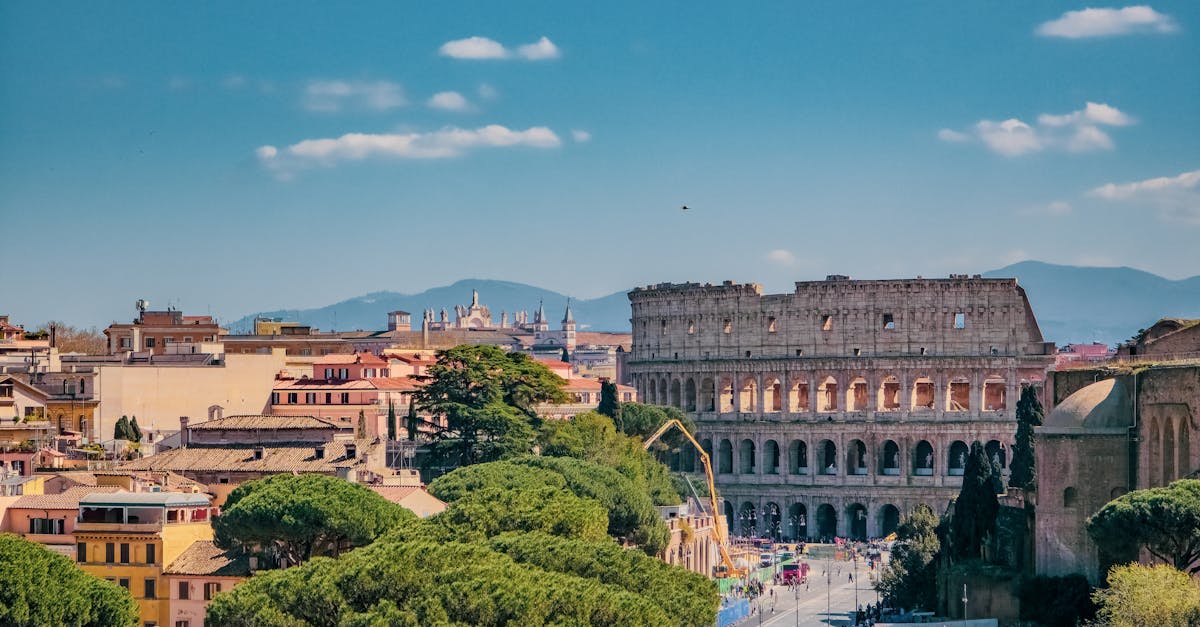 This photo was taken by Paolo Bici on Pexels.
Comparing the Ruins: Which Ancient Gem Should You Visit First?
When choosing between Pompeii and Ostia Antica, your decision often hinges on the specific flavor of ancient history you wish to immerse yourself in. Pompeii offers a dramatic, almost cinematic snapshot of life frozen in time by the eruption of Mount Vesuvius in 79 AD, where you can walk through streets lined with intact bakeries, vibrant frescoes, and even the casts of its final moments. The sheer scale and preservation of this site near Naples create an emotional intensity that is unmatched, making it ideal for travelers who want to witness the tragic grandeur of a city destroyed in a single day. However, if you prefer a more tranquil exploration away from the crushing crowds, Ostia Antica provides a serene alternative just outside Rome, showcasing a bustling port city that evolved over centuries rather than meeting a sudden end.
Ostia Antica feels less like a museum exhibit and more like a living neighborhood, where visitors can stroll along the same grid-patterned streets used by merchants and soldiers two millennia ago without the constant jostle of tour groups found at Pompeii. While Pompeii captures a singular, catastrophic moment, Ostia reveals the slow, organic growth of daily Roman life, featuring well-preserved apartment blocks, public baths, and intricate mosaics that tell stories of commerce and community. For those seeking a deeper understanding of how Romans actually lived, worked, and traded, Ostia offers a quieter, more intimate connection to the past; yet, for the ultimate visual impact and iconic imagery of ancient ruins, Pompeii remains an unmissable masterpiece. Ultimately, visiting Pompeii first sets the stage with its awe-inspiring drama, while a subsequent trip to Ostia allows you to appreciate the enduring rhythm of everyday Roman existence.
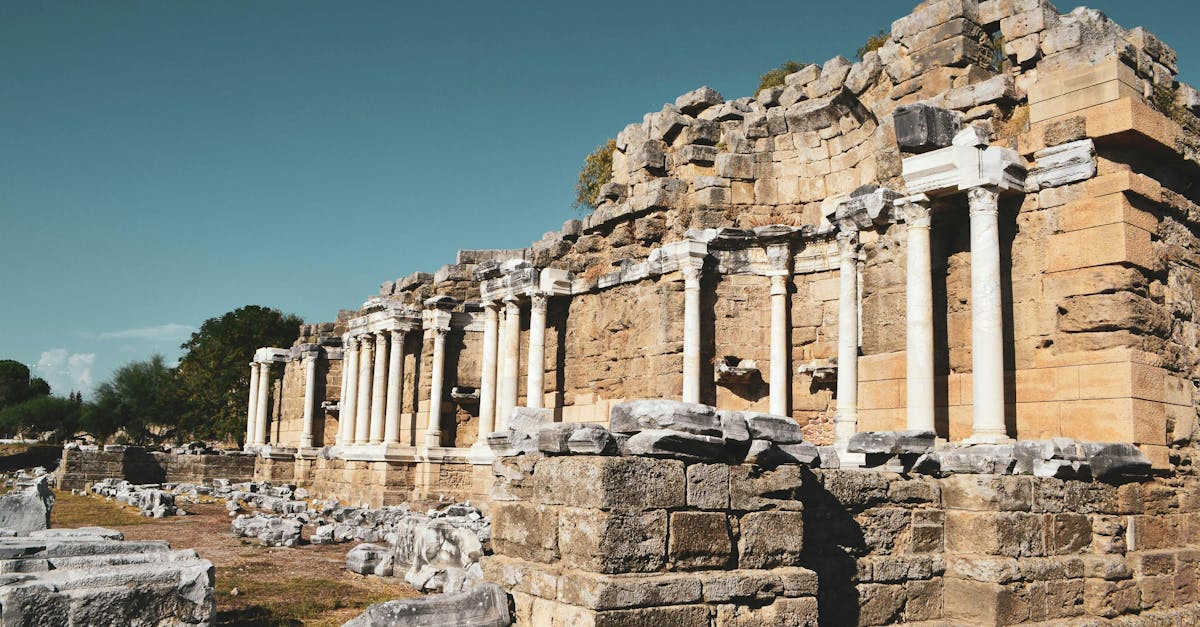 This photo was taken by Oğuzhan Çoban on Pexels.