10 Unmissable Hidden Gems in Italy Beyond Rome and Venice
 This photo was taken by Miguel Á. Padriñán on Pexels.
While the eternal allure of Rome and the romantic canals of Venice draw millions to Italy every year, the true soul of this magnificent country often hides in its quietest corners. Beyond the bustling main attractions lies a tapestry of undiscovered treasures waiting for the adventurous traveler. From the misty hills of Umbria to the rugged shores of Sardinia, and through the sun-drenched vineyards of Tuscany, this journey invites you to step off the beaten path. Discover ten unmissable hidden gems that offer authentic experiences, breathtaking landscapes, and centuries-old secrets that only the most curious explorers will find.
The Artistic Secrets of Umbria's Hilltop Towns
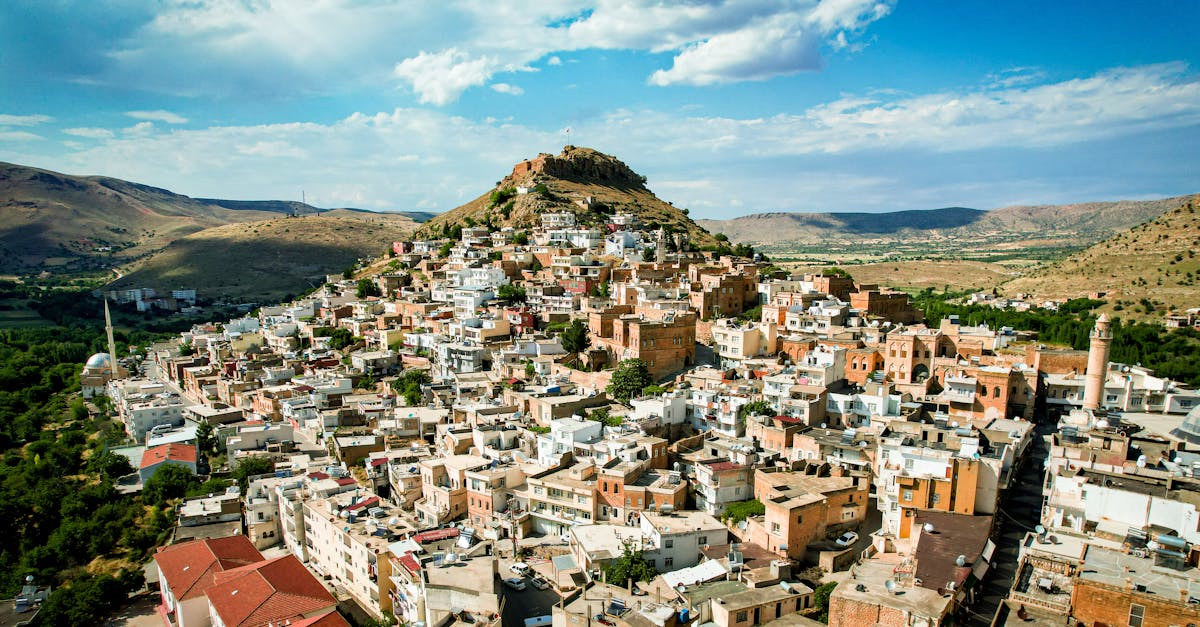
Nestled in the verdant heart of central Italy, Umbria's hilltop towns offer a quiet rebellion against the tourist crowds that flock to Rome and Venice, revealing an artistic heritage that feels intimately preserved rather than commodized. In places like Orvieto and Assisi, the very stones seem to whisper stories of masterpieces hidden within unassuming chapels and cloisters; here, the frescoes of Giotto and Fra Angelico are not merely viewed behind velvet ropes but are experienced as part of the town's living fabric. The light in these medieval villages is distinctively golden, casting a warm glow on the intricate stonework of cathedrals and the delicate brushstrokes of Renaissance altarpieces, inviting visitors to lose themselves in a slower pace where art history unfolds in every cobblestone alleyway.
Beyond the famous sites lies a treasure trove of lesser-known artistic secrets waiting to be discovered by the curious traveler. Venture off the beaten path to Spello or Bevagna, where local artisans still practice ancient techniques of pottery and textile weaving, keeping centuries-old traditions alive in workshops that double as open-air galleries. The region's churches often house unexpected gems, such as the hauntingly beautiful 14th-century frescoes in the Basilica of San Francesco in Foligno or the subtle architectural harmonies of the Romanesque structures in Gubbio, which rival their more famous counterparts in grandeur yet remain delightfully serene. By exploring these elevated enclaves, you uncover a narrative of Italian creativity that is deeply rooted in spirituality and community, offering a profound connection to the soul of the peninsula far removed from the bustling main arteries of tourism.
 This photo was taken by Cengiz Kudat on Pexels.
Sardinia's Pristine Coastlines and Nuragic Wonders
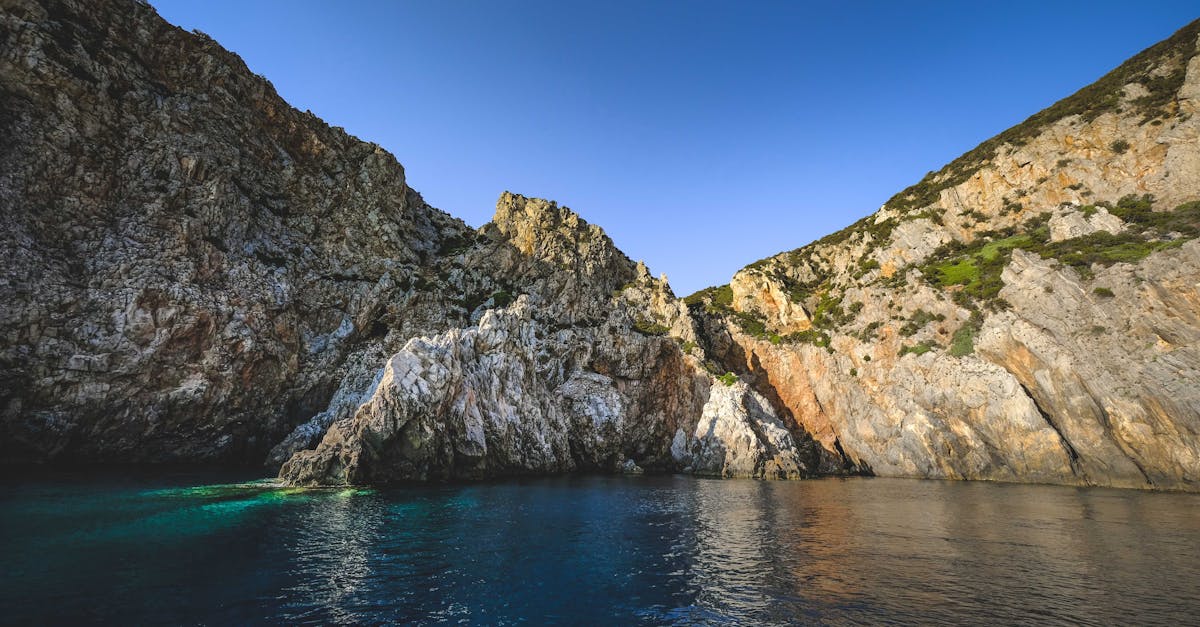
Escape the bustling crowds of the Mediterranean to discover Sardinia, an island where turquoise waters lap against some of Europe's most pristine coastlines. The Emerald Coast dazzles with its crystal-clear depths and white sandy beaches like Cala Gonone, offering a serene alternative to more famous Italian shores. Yet, beyond this natural beauty lies a profound historical mystery: the Nuragic wonders. Scattered across the rugged interior are thousands of ancient stone towers known as nuraghes, dating back over 3,000 years to a civilization that predates the Greeks and Romans. These enigmatic structures stand as silent sentinels of a unique culture, inviting intrepid travelers to explore their complex architecture and ponder the secrets of a people who once thrived in isolation.
Immersing yourself in Sardinia means walking through a landscape where prehistory meets paradise. After hiking among the weathered basalt peaks to uncover hidden nuraghe complexes, you can descend to secluded coves accessible only by boat or a short trek, ensuring your experience remains intimate and untouched. Whether you are kayaking through the limestone grottos of the Gulf of Orosei or tracing the intricate stonework of the Su Nuraxi complex near Barumini, every moment offers a deep connection to both the land's raw power and its enduring legacy. This harmonious blend of unspoiled nature and ancient heritage makes Sardinia a truly unforgettable destination for those seeking the authentic soul of Italy.
 This photo was taken by Francesco Ungaro on Pexels.
Tuscany's Off-the-Beaten-Path Wine Villages
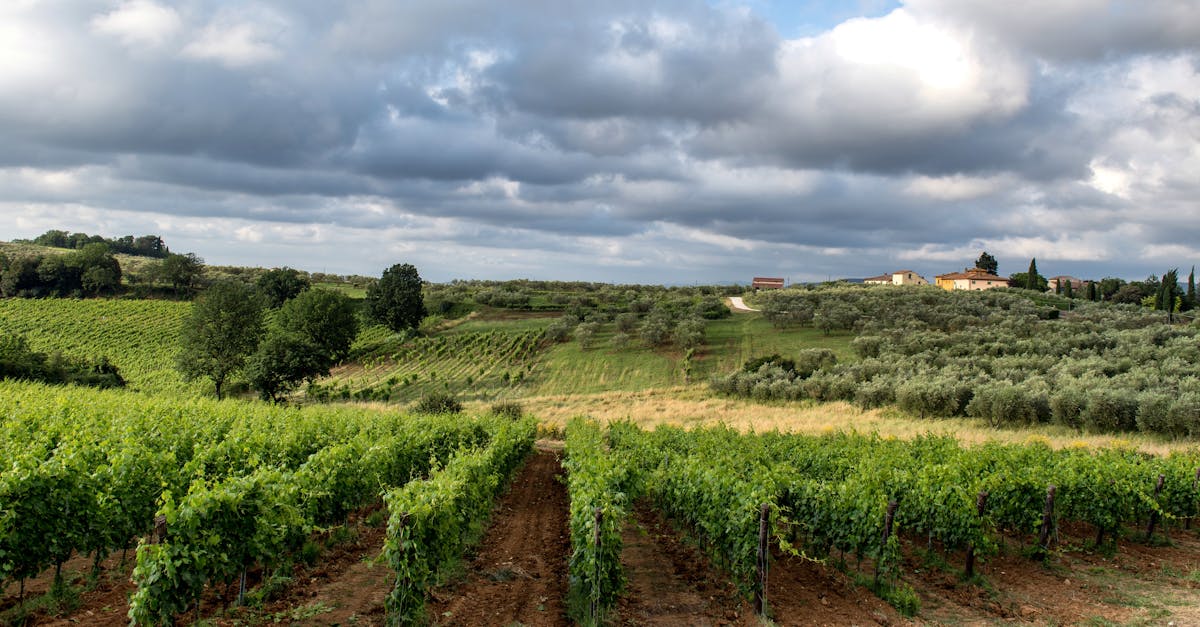
While the world flocks to the iconic vineyards of Chianti Classico, the true magic of Tuscany lies in its quiet, medieval hamlets where time seems to stand still. Venture off the main highways into the rugged hills of Val d'Orcia or the secluded valleys of Montalcino's hinterlands to discover villages like Montepulciano's lesser-known cousins or the ancient stone fortress of Panzano. Here, you will find family-run wineries that have been crafting wine for centuries without a single signpost pointing the way; instead, locals guide you through narrow cobblestone streets lined with cypress trees to cellars where the air is thick with the scent of aging oak and Sangiovese grapes. These hidden gems offer an intimate tasting experience, often accompanied by homemade pecorino cheese and rustic bread, allowing you to connect deeply with the land and its passionate producers away from the crowds.
Exploring these off-the-beaten-path wine villages provides a serene escape from the tourist-heavy hubs, inviting you to wander through landscapes that feel untouched by modern commercialization. In places like Sovicille or the tiny enclave of Castagnoli, the rhythm of life is dictated by the harvest seasons rather than opening hours, offering visitors a chance to participate in grape picking or olive harvesting if their visit coincides with the right time of year. The architecture here remains authentically Tuscan, with restored farmhouses serving as charming B&Bs where the silence is only broken by the distant church bell or the rustling of wind through the vines. By choosing these quieter corners, travelers gain access to a more authentic Italian narrative, discovering wines that are rare and exclusive, and memories that are forged in the warmth of genuine hospitality rather than fleeting encounters.
 This photo was taken by Wolfgang Weiser on Pexels.